
Cyclists attack saddle pain with fit first, padding second — and the order matters, because on a bicycle almost all saddle pain traces back to geometry:
- Saddle width matched to sit bones. Your sit bones should rest on the saddle's support platform. Too narrow and soft tissue carries the load; too wide and it chafes. Bike shops measure sit-bone spacing in minutes.
- Fit before padding. Saddle height, tilt (start level), and reach determine how weight splits between hands, feet, and seat. A saddle a centimeter too high or nosed down loads exactly the wrong tissue no matter how good the saddle is.
- Padded shorts, no underwear, chamois cream for long days — the padding is built into the shorts so it moves with the body, and friction management prevents half the misery.
- A standing rhythm. Experienced riders stand for a few pedal strokes every 10–15 minutes — climbs are free opportunities — to restore blood flow before numbness starts.
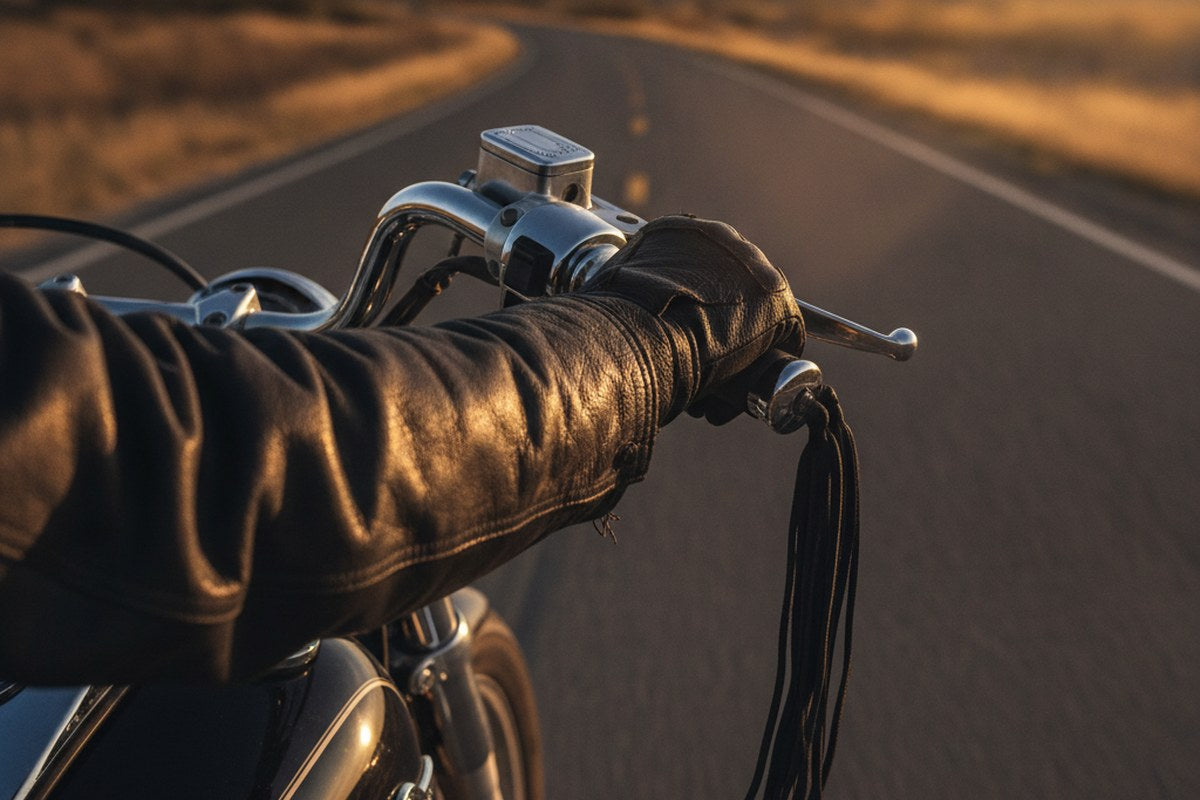
Notice the underlying principle: put pressure on structures that can bear it, spread it, and relieve it on a schedule. A motorcycle saddle carries far more of your weight than a bicycle saddle, and you can't pedal-stand every ten minutes — so the motorcycle equivalent is distribution built into the seat itself: an air-cell cushion spreading weight across the whole saddle does for a motorcyclist what a fitted saddle and standing rhythm do for a cyclist. It keeps blood flowing past the two-hour mark.



No comments yet. Be the first rider to weigh in.