
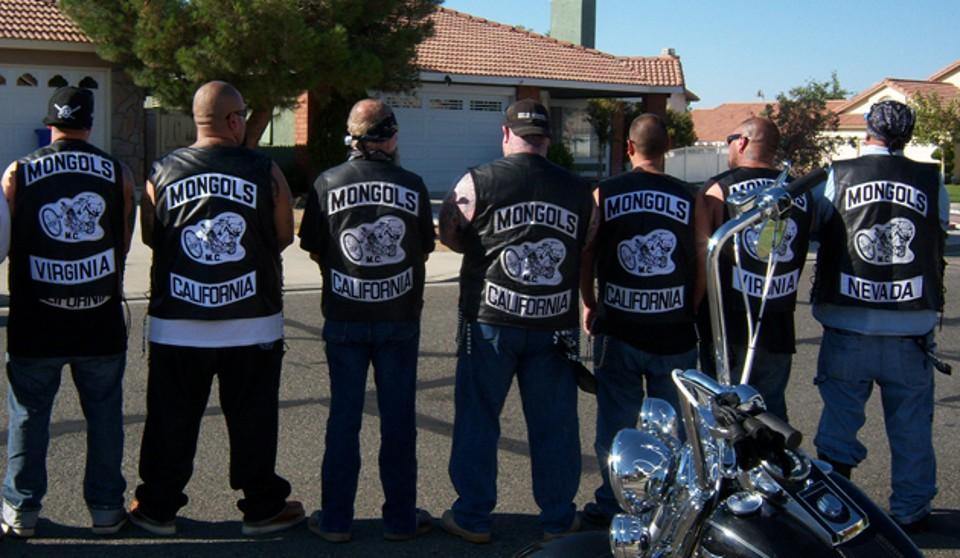
When it comes to rules for wearing motorcycle patches, there are certain etiquettes you should observe regardless of whether you belong to a motorcycle club or are independent.
Biker patches are not only for decoration adorned on jackets and vests but also crucial for conveying messages only a biker would understand. Motorcycle patch etiquette, whether good or bad, serves as a collective reflection of the bikers in your area.
Here, we will explore the significance of a biker patch and what rules you need to keep in mind when wearing them.

Every biker club has its own rules for biker patches
Rules may be different from one club to the other. If you are a member of a motorcycle club, it is important to understand the rules and follow them. Never assume that you know the meaning of everything. It is best to seek clarification before your actions are deemed out of order. For instance, if you decide to wear a memorial patch on your vest, never assume that any placement is acceptable. Most clubs will have different rules about the placement of the motorcycle club patches. Asking the higher-ups would be a good idea.
If you are thinking of having your custom patch made, you should get familiar with the patches of the local clubs first. This allows you to consider the acceptable design, placement, and patch requirements in line with the club. While this may not be necessary at all times, asking for approval from the club is always a welcome sign and a show of respect. All motorcycle clubs expect all bikers to adhere to patch rule etiquettes at all times without exception. Keep this in mind when joining a new motorcycle club.
There are different rules for colors and patches
Most people assume that motorcycle club patches and colors have the same rules applied to them. This is not always the case, and stark contrasts depend on the motorcycle club you belong to.
Many motorcycle clubs view colors differently from patches. These clubs will have stringent rules regarding colors and more relaxed guidelines for wearing the patch. For example, some clubs allow bikers to wear the colors of their motorcycle club outside their territory but never within the territory of another club. In other cases, some clubs do not allow their members to wear colors while driving.
If you happen to lose your membership in the club, you must surrender your colors to the club. Similarly, a member who decides to quit the club voluntarily must also leave behind the colors. This is done to stop such bikers from wearing the colors as old uniforms.
The presentation of the patches also matters. Different clubs may require members to wear the patches on a sleeveless vest instead of a sleeved vest.
Touching the colors of another member is also prohibited. Most members have a great deal of pride in their colors and the time and effort it took to earn those colors. As a result, each color is seen as a sacred piece that must be protected. This motorcycle patch etiquette on colors is held in high regard. Most bikers will do anything to defend their colors.
You also cannot borrow another biker’s jacket with the colors on it. There are special occasions where a non-member is allowed to wear the colors of another biker; when a female passenger (must be a female) is riding with a club member. However, this specific rule varies from club to club. So check that your club allows it before letting a non-member wear your colors.
Consider motorcycle club patches meanings
The colorful and vibrant patches you see bikers wearing are more than just pieces of decoration. They carry meaning and information only bikers within a club would understand. The patches identify what type of club a biker belongs to as well as the achievements and activities they are have participated in. Let’s look at the different patches and what meaning they convey.
- One-piece back patch
A one-piece patch, usually worn on the vest or jacket, signifies that the wearer is affiliated with a riding club or motorcycle organization. More often, these patches contain vital information like the name of the club, logo of the organization, and territory of the club. A one-piece biker patch also shows that the American Bikers Association has sanctioned the group.
- Two-piece patch
A 2-piece patch can many different things. A two-piece biker patch is used to represent the transition stage of motorcycle club members. It means that the members are awaiting approval from the club’s hierarchy to become a member of the sanctioned motorcycle club. If they are approved, they will earn the right to wear a three-piece patch. Wearing a 2-piece patch also requires you to be careful about the design of the patch as it should not infringe or be similar to the patches of the local clubs.
- 3-piece biker patch
A 3-piece patch denotes that a member belongs to a traditional motorcycle club or an outlaw club. A three-piece biker patch consists of a top rocker, the club’s emblem, and a bottom rocker. Together, these three pieces are referred to as colors. The top patch contains the name of the club, the middle patch often carries the logo of the club, and the bottom rocker indicates the location of the club. A 3-piece patch is also used to signify that the club is not necessarily a 1% club and that the American Motorcycle Association has not sanctioned it. A three-piece shows that the club in question has been approved by the dominant club in the area or state.
To attain a three-piece patch, one has to become a full member of the club and be sanctioned by the full members. A prospective member is awarded the patches in stages, beginning with the top rocker, which has the name of the club, and the club’s logo, which collectively forms a two-piece patch. During this stage, the member can attend runs and events organized by the club upon invitation. From there, he will earn a three-piece patch.
A traditional three-piece patch motorcycle club follows strict protocols, code of conduct, and traditions that set them apart. Motorcycle clubs, better knowns as MCs, differ from other biker organizations and riding clubs in that they have a vetting process before one is let in on the club or allowed to wear the club’s colors.
If you want to know a motorcycle club, check the MC printed on a small rectangular patch on the club colors rockers.
Biker rockers
Rockers are the curved patches at the top and bottom of a motorcycle patch. Not everyone can wear those, including riding clubs and independents. You have to be approved by the dominant club in the area for you to wear them. Rockers are used to claim territory by the dominant club. A social riding club cannot wear a rocker claiming a territory unless the dominant club has approved it.
Biker rocker patches can provide vital background information about a member’s social history. This information includes past incarceration, drug use, and allegiance to a gang. Outlaw bikers are often seen with collarless and sleeveless jackets that identify them to a certain club in which they belong. Information such as past criminal records is spelled out in biker rockers, which they wear on the vests and jackets.
Overall, rockers and biker patches that indicate full membership are treated with utmost respect and reverence. In a case where the colors are to be removed, let’s say, in a medical emergency, the health workers of the medical facility should handle the biker colors with respect. Failure to honor this, they risk a hostile retaliation from the biker and other members.
Red and gold and their variations are the most common hues associated with biker colors insignia. This makes it easy to identify that they belong to a club even when you don’t recognize which biker club it is.
Other motorcycle patches
The rules for wearing motorcycle patches can vary from one biker club to the other, and also depending on the meaning that they are supposed to convey. There are motorcycle patches to avoid and be aware of. Mostly, these are worn by outlaw bikers. A good example of a motorcycle patch to avoid is the 1% er patch. The 1% patch is worn by outlaws and has a history going back to the 1950s about a statement made by the American Motorcycle Association. The patch means that 99% of bikers abide by the law, and only 1% are outlaws.
Another patch with a special meaning is the #13 patch. This patch refers to the 13th letter of the Alphabet, M. It is thought that bikers who wear this patch are drug dealers or use drugs, especially Marijuana.
The ace of spades patch is a biker symbol patch that means the biker is willing to fight for their club or country.
You may also notice a wing patch among many bikers. This can have different meanings among biker groups, but, more often, is used to symbolize some accomplishment. The kind of accomplishment varies from club to club or individuals.
A skull and crossbones symbol is also common and can carry different meanings depending on the club. But in most cases, it indicates that the biker has escaped a near-death experience.
You need to be aware of motorcycle patch etiquette and the different applications for different clubs and groups. Know which patches to avoid and the meanings of different colors, symbols, and designs. Motorcycle club patches rules are revered across the board. Make sure you ask questions before wearing a biker patch that you like.




No comments yet. Be the first rider to weigh in.