
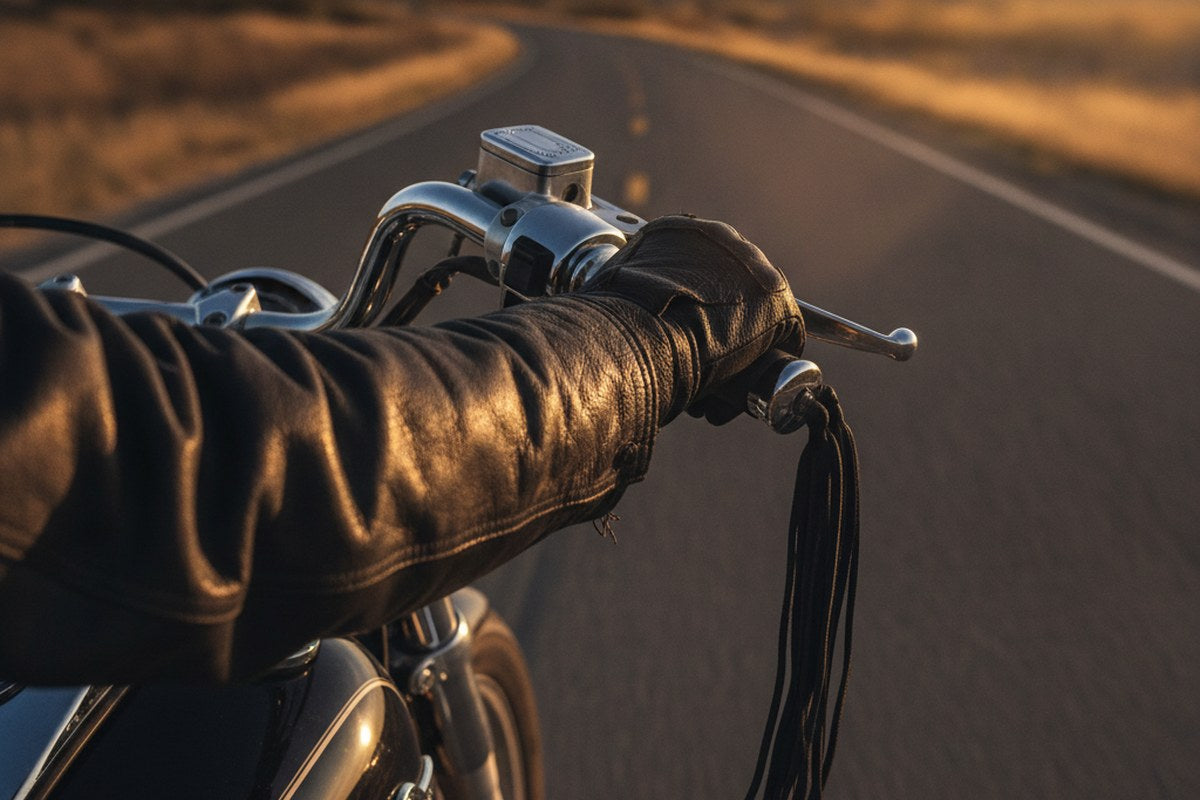
Age by itself is not the answer — there are riders in their 70s and 80s logging serious miles, and there are 45-year-olds who probably shouldn't be on a bike. The honest question isn't the number on your license; it's a handful of specific abilities worth checking without flinching:
- Vision — especially at dusk, and judging closing speed at intersections.
- Reaction time and attention — the thing that actually keeps you alive in traffic.
- Strength and balance to handle your bike at parking-lot speeds, where most drops happen.
- Recovery — if one ride costs you three stiff days, the math needs adjusting, not necessarily ending.
It's worth putting the question to your doctor at your next checkup too — medications, blood pressure, and joint issues all factor in, and a doctor who knows you ride can give you a real answer instead of a generic one.
What most riders find is that the fix isn't quitting — it's adapting. A lighter or lower bike, bars that come to you instead of the other way around, suspension set for your actual weight, shorter stints with honest breaks, and a seat contact point that doesn't grind your sit bones for two hours straight. Riding is part of who you are. The goal is to keep doing it on terms your body agrees to — and for most riders, there are a lot of good terms left to negotiate.




No comments yet. Be the first rider to weigh in.