
Some of it, yes. Motorcycle theft spans a spectrum. At one end is the opportunist — someone who sees an unsecured bike, rolls it into a van or breaks the steering lock, and takes their chance. At the other end are genuinely organized operations, and law enforcement agencies have long documented rings that treat bike theft as a business: scouting specific models, stealing to order, stripping bikes into parts that are nearly impossible to trace, swapping or cloning VINs, and in some cases moving stolen machines across state lines or overseas in containers.
Why does the distinction matter to you? Because the two require different defenses:
- Opportunists are deterred by friction — a disc lock, a chain to an anchor, a cover, lit parking. Make your bike slower to take than the next one and they usually move on.
- Organized crews come prepared for locks and alarms. They can load a fully secured bike into a van in a couple of minutes. Against them, deterrence buys time but rarely wins outright — recovery tools matter most.
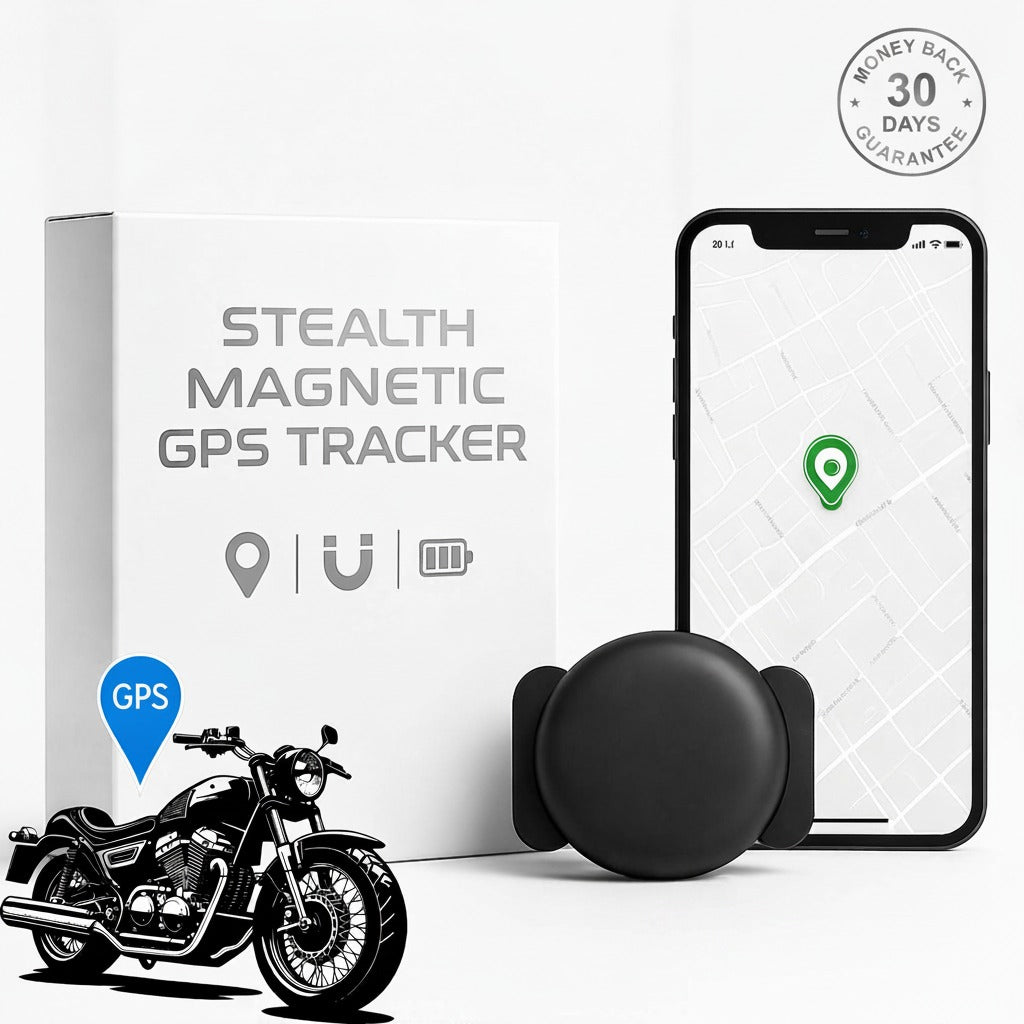
That's the case for layering: physical security to defeat the amateur, and a hidden GPS tracker for the professional. A crew that beats your chain still doesn't know your bike is quietly reporting its location from inside their van.



No comments yet. Be the first rider to weigh in.