
Right after the ride, the goal is to convince the muscle it's safe to let go. Gentle walking beats lying flat — ten easy minutes tells the spasming muscle the emergency is over. Heat helps more than ice for a spasm (shower, heating pad, 15–20 minutes), and slow, deep breathing genuinely matters because a guarded muscle feeds on tension. Drink water; long rides dehydrate you more than you notice, and dehydrated muscle cramps easier. That evening, easy pelvic tilts and knee-to-chest movements in a pain-free range keep things from locking up overnight. If spasms are severe, keep coming back ride after ride, or bring leg pain, numbness, or weakness with them — that's a doctor conversation, not a stretching problem.
Then look at the cause, because a post-ride spasm is rarely random. It's the end of a chain: hours of static posture, vibration buzzing into muscles that are already working, and your weight parked on two pressure points forcing your back to brace all day. The muscle that seizes at 6 p.m. usually started overworking at 10 a.m.
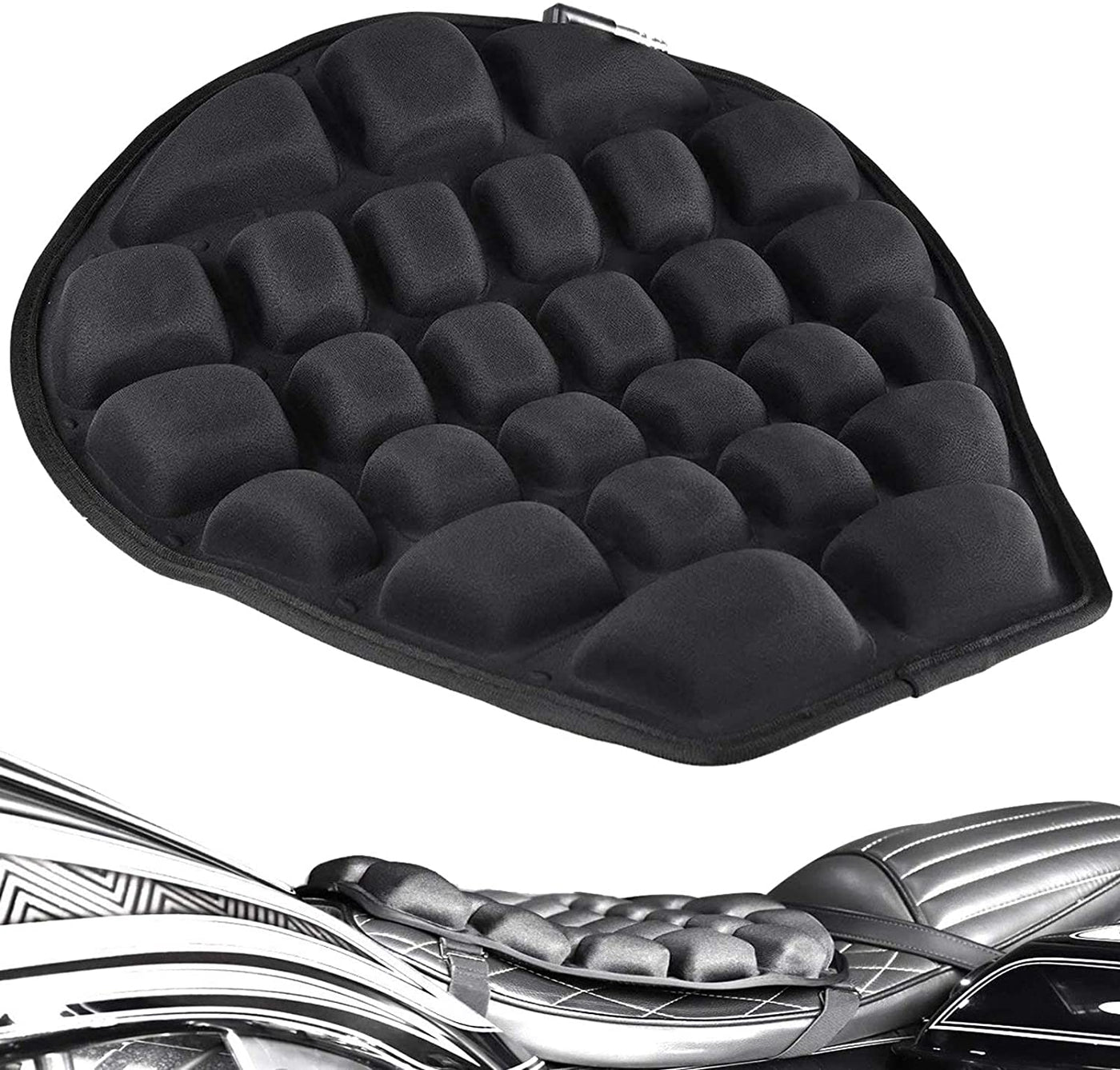
Prevention beats treatment: reset your posture every 15 minutes, stand on the pegs regularly, stop every hour, set the cockpit up for a neutral pelvis — and cut the bracing at its source by spreading seat pressure and absorbing the bumps before your back has to.


No comments yet. Be the first rider to weigh in.