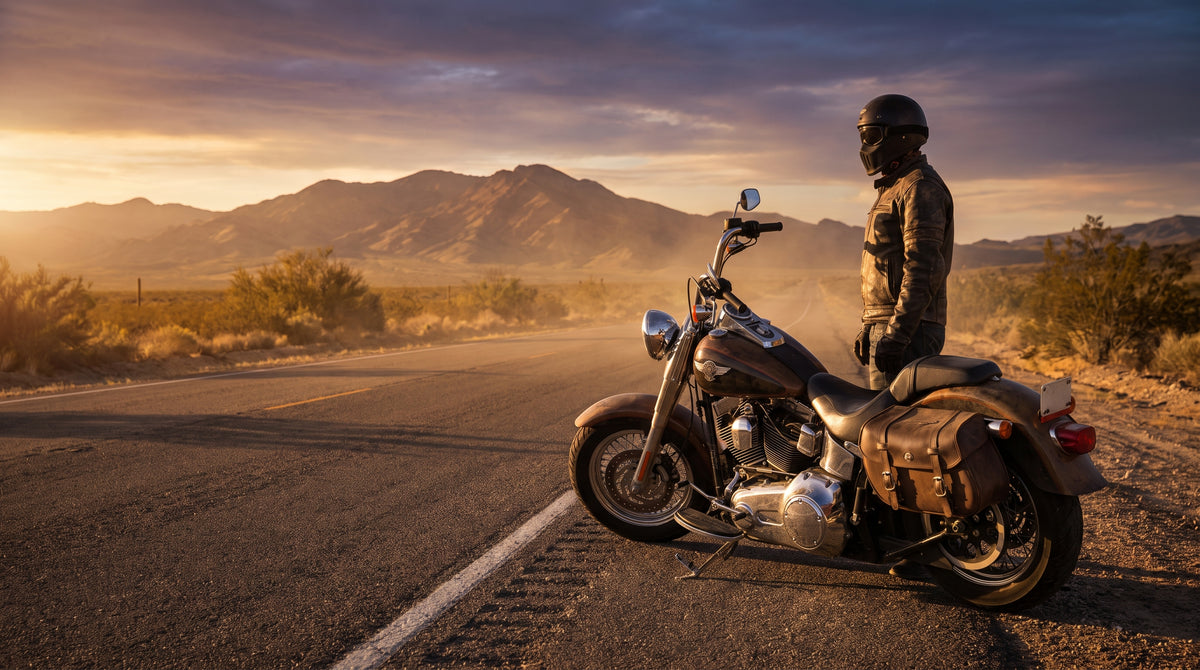
You are doing 65 on the interstate and the temperature drops 15 degrees in one valley pass. Your chin goes numb first, then your nose, then the bridge between your eyes where wind knifes under your visor. A bandana lasted about 4 minutes before it flapped loose. A half mask covered your jaw but left your forehead raw. What you needed was a full face mask that seals from hairline to collar without suffocating you.
This guide covers every type of full face mask for men who ride. You will know which material blocks wind at highway speed, which ones breathe well enough for summer, and which styles actually fit under a helmet without bunching up. No filler, just what works on the road.
Types of Full Face Masks for Men: What Each One Does
There are four main styles worth knowing, and each one solves a different problem on the bike.
Balaclava. A single-piece pull-over that covers your entire head, neck, and face with one opening for your eyes. Most riding balaclavas use moisture-wicking polyester or merino wool blends. The Ergodyne N-Ferno 6823, for example, uses a hinged balaclava design that lets you flip the face panel down at a gas stop without pulling the whole thing off your head. Balaclavas are the top pick for cold-weather riding because they eliminate the gap between your helmet liner and jacket collar where wind sneaks in.
Neoprene mask. Wraps from ear to ear and covers chin to nose bridge. Neoprene runs 2-3mm thick, blocks wind completely, and resists water. The tradeoff is heat. Anything above 60 degrees and a neoprene mask traps warm, moist air against your face. These work best from October through March, especially at highway speeds where wind chill makes 45 degrees feel closer to 25.
Mesh or microfiber tube. Lightweight, stretchy, and thin enough to wear under any helmet without changing the fit. A typical tube weighs under 2 oz and packs into a jacket pocket. Tubes block UV and light dust but barely stop cold wind. They are built for summer commutes and warm-weather rally rides, not for highway runs in November.
Multi-panel filtered mask. A hybrid with a hard-shell nose bridge, mesh breathing panels, and soft ear straps. Brands like RZ Mask build in replaceable N99 carbon filters rated for 60 hours of use. These are popular with ADV and dual-sport riders who eat trail dust all day but overkill for pavement-only riding.

How to Pick a Breathable Full Face Mask
Breathability is the single biggest complaint riders have with full face masks. Here is the reality: any mask that genuinely blocks wind will also trap some heat. The fix is matching the mask to the temperature range you ride in.
For summer riding above 70 degrees, stick with moisture-wicking microfiber tubes or mesh balaclavas that have open-weave panels around the mouth. A mask rated UPF 30+ blocks sunburn without turning your face into a sauna. Look for flatlock seams, because regular stitching creates pressure points under a tight-fitting helmet liner.
For three-season riding between 40 and 70 degrees, neoprene with laser-cut breathing holes is the sweet spot. The holes are small enough to break the wind but large enough to vent CO2 so your visor or riding goggles do not fog. A 2mm-thick neoprene mask weighs about 3 oz and folds flat in your tank bag.
For winter riding below 40 degrees, go full balaclava. Merino wool blends insulate down to about 15 degrees before you need a heated liner. Fleece-lined polyester balaclavas cost less ($12-18 typical) but pill after a dozen washes. The extra spend on merino pays off over two or three seasons.
A practical move: own two masks. A thin microfiber tube for warm months and a fleece balaclava for cold months runs about $25 total and covers every riding day of the year.
What Makes a Full Face Mask Fit Under a Helmet
If a mask bunches up under your helmet, you will rip it off before your first fuel stop. Fit under a helmet matters more than any other spec on the packaging.
The mask needs to be thin enough that your helmet stays snug without squeezing. A thick neoprene mask adds roughly 3-4mm of material between your skin and the helmet comfort liner, which can make a properly sized helmet feel a full size too small. If your helmet already fits tight, go with a 1.5mm mask or a single-layer microfiber.
Seams matter more than most riders expect. Raised seams press into your cheekbones and the bridge of your nose after about 30 minutes at speed. The best masks use flatlock or bonded seams that sit flush against skin. Some higher-end options use single-piece construction with zero seams over the nose or cheeks.
The back closure should sit above the helmet retention strap, not under it. Velcro closures work but catch on helmet liners and pull fibers loose over time. A simple pull-over design (tube or balaclava) avoids this problem entirely.
One detail most riders miss: check the eye opening height. Some masks sit too high on the nose bridge and push into your lower field of vision when you tilt your head to check mirrors. A mask with an adjustable nose wire lets you shape the fit around your specific face profile.

Cool Full Face Mask Designs That Riders Actually Wear
The skull-print full face mask might be the single most popular biker accessory in the category. The classic half-skull jaw design with exposed teeth and hollow eye sockets works with both half helmets and open-face lids. It started in the custom chopper scene and went mainstream around 2015 when brands like SA Company started mass-producing them for under $15.
Beyond skulls, here is what sells:
- American flag and patriotic prints, the most common design at Sturgis and Daytona rally circuits
- Plain black, the "just works" option that matches any helmet and jacket
- Camo patterns, popular with ADV and off-road riders in multicam and woodland prints
- Bandana paisley, classic red, black, and navy prints that never go out of style
- Custom airbrush work, where riders get masks painted to match their tank art, typically $40-80 from custom shops
If you want a mask that turns heads, check out our guide to skeleton face masks for riders for the best skull and skeletal designs rated by material and durability.
Full Face Mask Materials Compared
| Material | Wind Block | Breathability | Best Temp Range | Price Range | Lifespan |
|---|---|---|---|---|---|
| Neoprene (2-3mm) | Excellent | Low | 25-55 F | $12-25 | 2-3 seasons |
| Fleece Balaclava | Excellent | Medium | 15-45 F | $10-20 | 1-2 seasons |
| Merino Wool | Very Good | High | 20-50 F | $25-45 | 3-4 seasons |
| Microfiber Tube | Low | Excellent | 55-90 F | $8-15 | 1-2 seasons |
| Mesh/Poly Blend | Medium | High | 45-75 F | $10-22 | 2-3 seasons |
| N99 Filtered | Good | Low-Medium | Any | $30-55 | Filter: 60 hrs |
Neoprene dominates cold-weather rides but will make you sweat in summer. Merino wool costs double the price of fleece but regulates temperature better than any synthetic and resists odor for multiple wears between washes. For year-round riders, the best value is a two-mask setup: one microfiber tube for warm months, one fleece balaclava for cold.

How to Wash and Maintain a Full Face Mask
Riding masks absorb sweat, road grime, and exhaust residue. A mask that smells bad after three rides is a mask that will not get worn again.
For microfiber and polyester masks, machine wash on cold with mild detergent and hang dry. Skip the fabric softener because it coats the fibers and kills moisture-wicking performance. Most microfiber tubes survive 40-50 wash cycles before the stretch starts to go.
For neoprene, hand wash only. Neoprene degrades in hot water and breaks down in a dryer. Rinse with cool water, add a small amount of dish soap, work it through the material, rinse again, and hang flat to dry. Neoprene can take 12-18 hours to dry fully, so keep a rotation of two masks if you ride daily.
For merino wool balaclavas, cold machine wash on a delicate cycle or hand wash. Smartwool claims their merino can go 7+ wears between washes without odor buildup, but sweat and helmet liner oils break that down faster in riding conditions. Never wring merino. Roll it in a towel to press out water, then lay flat to dry.
One maintenance tip: store masks flat or loosely rolled, never wadded into a ball. Neoprene develops permanent creases when stuffed into a saddlebag for weeks. A gallon zip-lock bag keeps it clean and flat in your luggage.
5 Mistakes Riders Make When Buying a Full Face Mask
1. Buying one mask for all seasons. No single material works at both 90 degrees and 30 degrees. A neoprene mask in July feels like breathing through a wet blanket. A mesh tube in January does nothing. Buy two: one thin, one warm. Total cost is under $30.
2. Ignoring helmet fit. A 3mm neoprene balaclava under a helmet that already fits snug will give you a pressure headache within 20 minutes. Always test the mask-plus-helmet combo before a long ride. If it feels tight, drop to a 1.5mm mask or a single-layer tube.
3. Choosing style over coverage. A half mask with a cool skull print leaves your forehead, ears, and neck completely exposed. For cold-weather riding, full coverage from hairline to collarbone matters more than the design on the front.

4. Skipping the wash test. Some cheap imported masks shrink 10-15% after the first warm wash cycle. Hand wash your mask in cool water before the first ride, or run it through one cold machine cycle. Better to find out at home than at mile 80.
5. Forgetting about glasses or comms. If you wear prescription glasses or a Bluetooth comm unit like a Cardo Packtalk, make sure the mask does not press the earpiece into your temple. Masks with thin-panel ear sections or ear cutouts solve this. Riders who wear goggles need a mask with a low nose profile to prevent warm breath from fogging the lens.
Which Full Face Mask Should You Buy?
For cold-weather highway riding, a fleece-lined balaclava in the $12-20 range handles everything above freezing. For summer, a UPF-rated microfiber tube keeps sun off your face without overheating. For year-round riders, the two-mask approach costs under $30 and covers every temperature you will ride in.
If you want a mask that fits the biker look, the face mask collection at American Legend Rider has skull designs, plain black, and everything in between. For riders focused on cold-weather protection specifically, our cold weather motorcycle face mask guide breaks down insulation ratings and wind-blocking performance in detail.
No comments yet. Be the first rider to weigh in.