
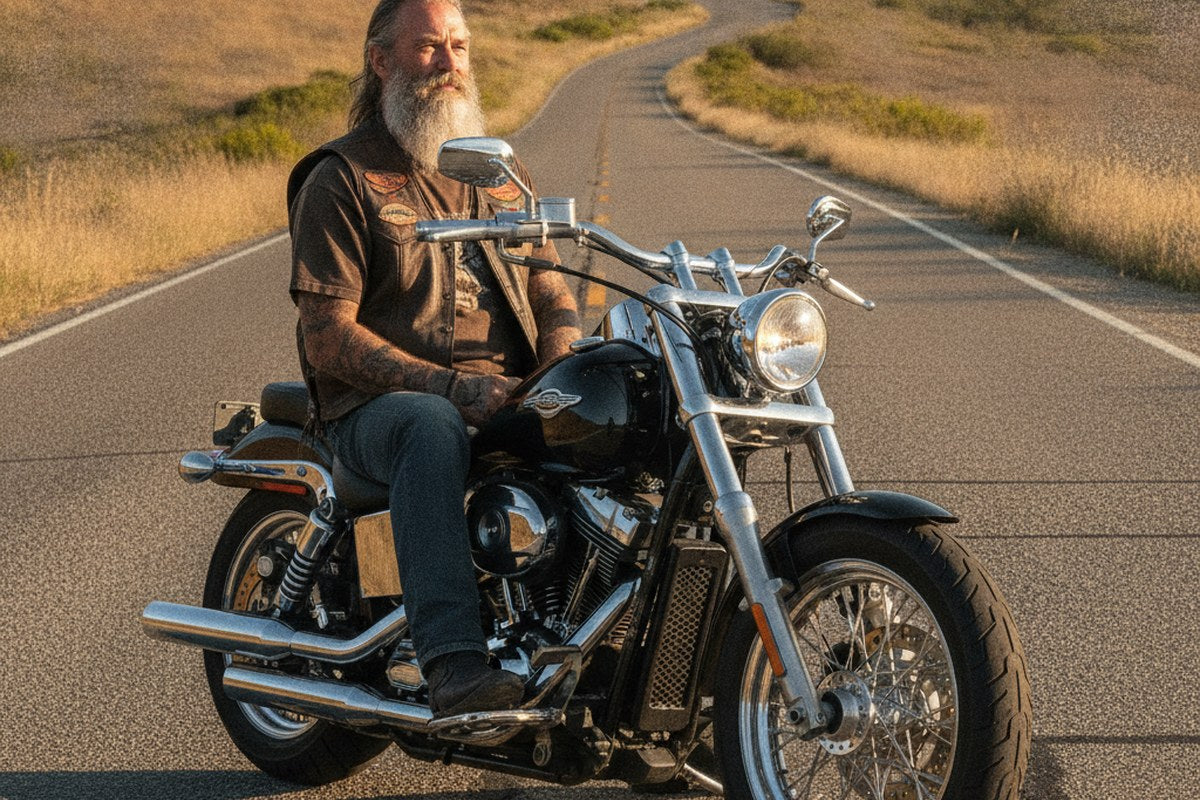
Yes — and there's nothing motorcycle-specific about the physics. An air-cell cushion works by letting dozens of interconnected cells share your weight, so pressure spreads across the entire seat surface instead of concentrating on your sit bones and tailbone. Meanwhile the air layer compresses and rebounds under bumps, absorbing shock before it reaches your spine. Your body doesn't care whether the seat under that cushion belongs to a Road King or a Camry — concentrated pressure hurts the same everywhere, and distribution relieves it the same everywhere. Truck manufacturers reached the same conclusion decades ago; it's why long-haul rigs come with air-ride seats.
A few honest fit notes for car use:
- Height: a cushion raises you an inch or so. Most drivers just lower the seat a notch; check that your sightlines, mirrors, and headroom still work before you hit the highway.
- Position: re-check pedal reach after adding it — you may want the seat one click forward.
- Stability: cushions built for motorcycles are designed to strap down and stay put, which translates to a car seat without drama — it simply sits in place on the seat base.
Plenty of riders end up migrating one cushion between machines — saddle on the weekend, driver's seat for the Monday commute, tractor when the field needs mowing. The pressure points are the same three bones every time; the fix travels with you.




No comments yet. Be the first rider to weigh in.