
Mixed but real — riders who swear by lumbar belts and kidney belts aren't imagining it, and it helps to know what the belt is actually doing.
A riding belt does three concrete things. It adds gentle compression that supports the soft tissue of your lower back against hours of vibration. It acts as a posture reminder — when you start to slouch, you feel the belt, and you straighten up before the C-slump sets in. And it keeps the lumbar area warm, which many riders find holds off stiffness on cold-morning starts.
What the research says is more hedged: studies on back belts in occupational settings have generally found modest or inconsistent effects on preventing back injury, while studies of seated work and driving do fairly consistently report reduced discomfort when the lumbar region gets support. In riding terms: a belt can genuinely take the edge off fatigue, but it's a supporting layer, not a fix.
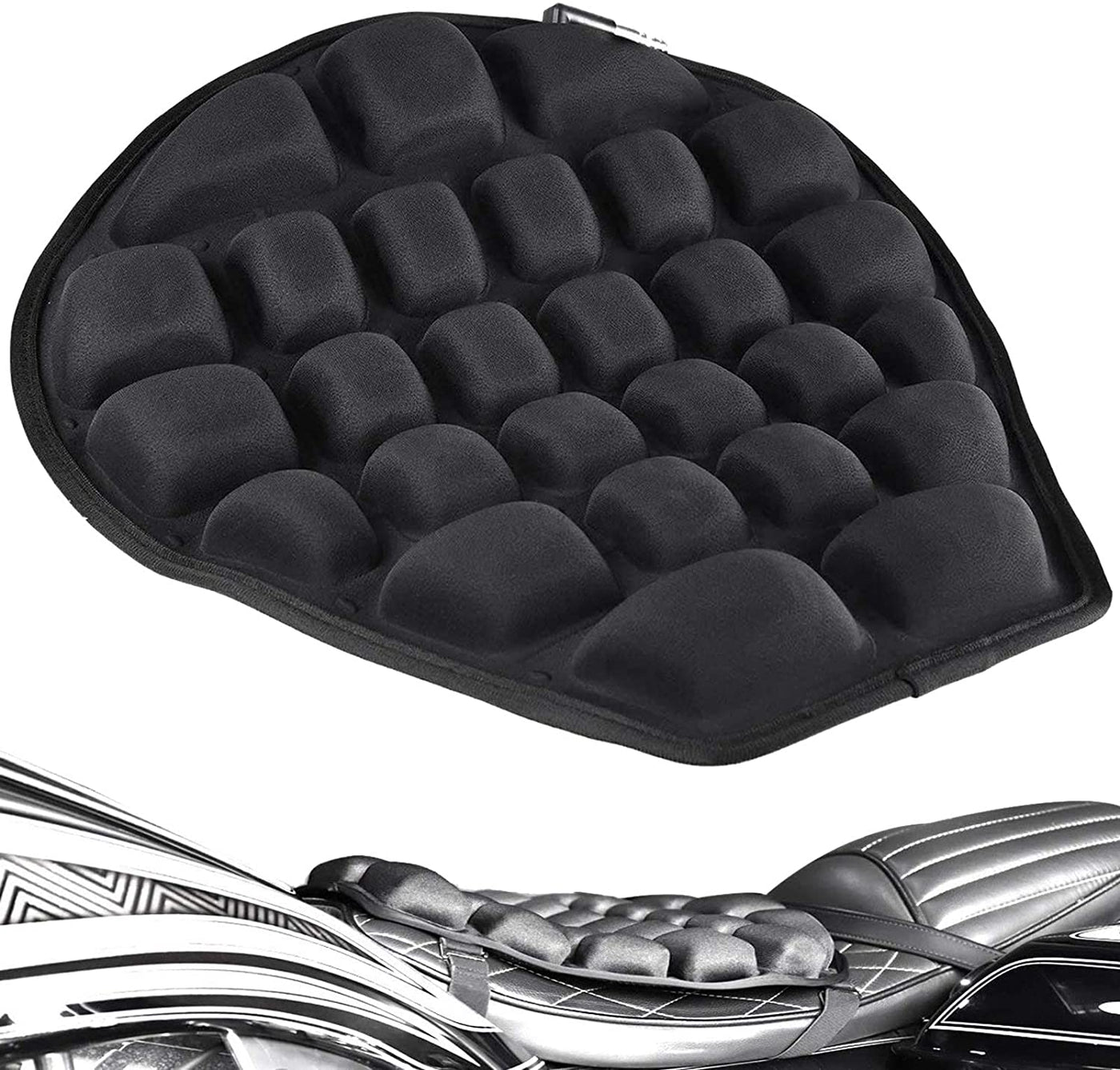
What a belt cannot do is change what's happening at the seat — your weight still concentrates on two sit bones, and vibration still travels up your spine. If the last stretch of every ride has you squirming, the belt-plus-nothing approach usually disappoints. Belt for posture and warmth, breaks for circulation, and pressure spread at the contact point — that combination is what riders report actually stretches the ride window.



No comments yet. Be the first rider to weigh in.