
Both — but for different reasons, by different thieves.
Older bikes attract opportunists. They usually lack immobilizers, their ignitions are simple to bypass, and their owners often assume nobody wants a 15-year-old bike, so they skip serious locks. Meanwhile, parts demand for aging models is real — plenty of riders keep older bikes alive, and clean used parts sell well precisely because manufacturers make fewer of them.
Newer bikes attract professionals. Immobilizers and keyless ignitions make them hard to ride away, so they get loaded into vans instead — the method that ignores every factory security feature. High resale value, high-value components, and export or part-out channels make the extra effort worthwhile.
Roughly, it shakes out like this:
- Old bike, no locks, street parking: opportunist bait
- New bike, high value, predictable parking spot: professional target
- Any bike, unattached to an anchor: a van candidate
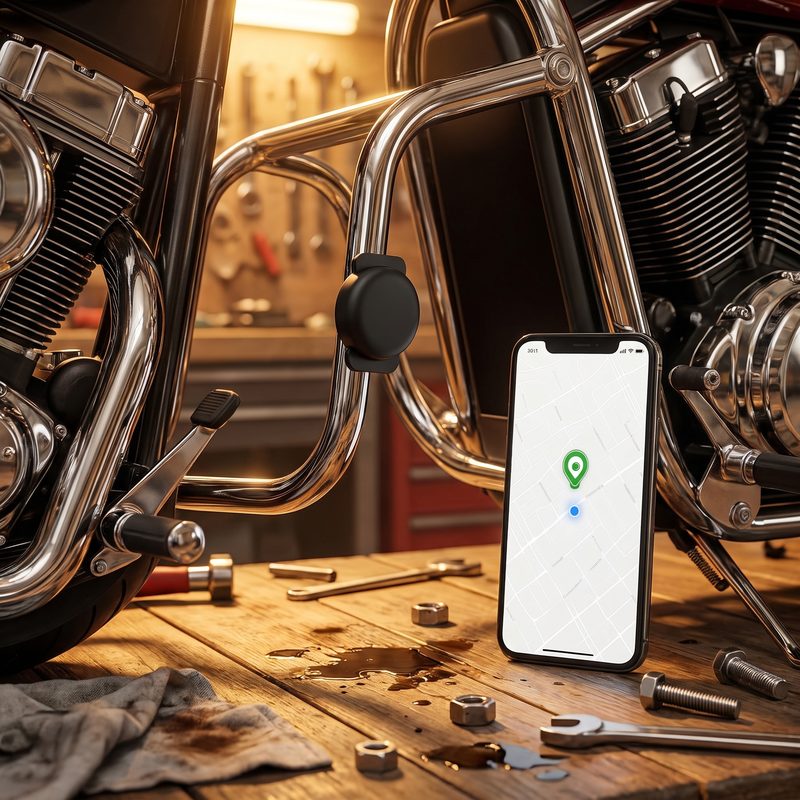
The honest conclusion is that age doesn't move you out of the target pool — it just changes who's looking. The defense is the same layered approach either way: lock the bike to something solid, park thoughtfully, and hide a GPS tracker on the frame. The tracker is notably age-agnostic: it protects a 2005 bike exactly as well as a 2026 one.


No comments yet. Be the first rider to weigh in.