
Riding position is one of the biggest factors in lower back pain — but the trap is thinking there's one correct posture that fixes it. There isn't. Every position loads your spine somewhere, and any position held rigid for an hour will hurt.
Here's how the three broad styles distribute the load:
- Upright/standard: the most neutral spine angle, but your back takes bumps vertically and your sit bones carry nearly everything.
- Leaned-back cruiser, feet forward: your legs can't share the load or absorb hits, your pelvis rolls back, and the lower back tends to round into a slouch — the most common ache pattern riders describe.
- Sport lean: unloads the lower back somewhat but transfers work to wrists, neck, and shoulders — tolerable in short stints, punishing over hours.
What matters more than the category is fit: where the bars, seat, and pegs sit relative to your arms, torso, and hips. A well-fitted cruiser can treat a back better than a badly fitted standard. Small changes — bar risers, peg position, where you sit on the seat — shift the whole equation.
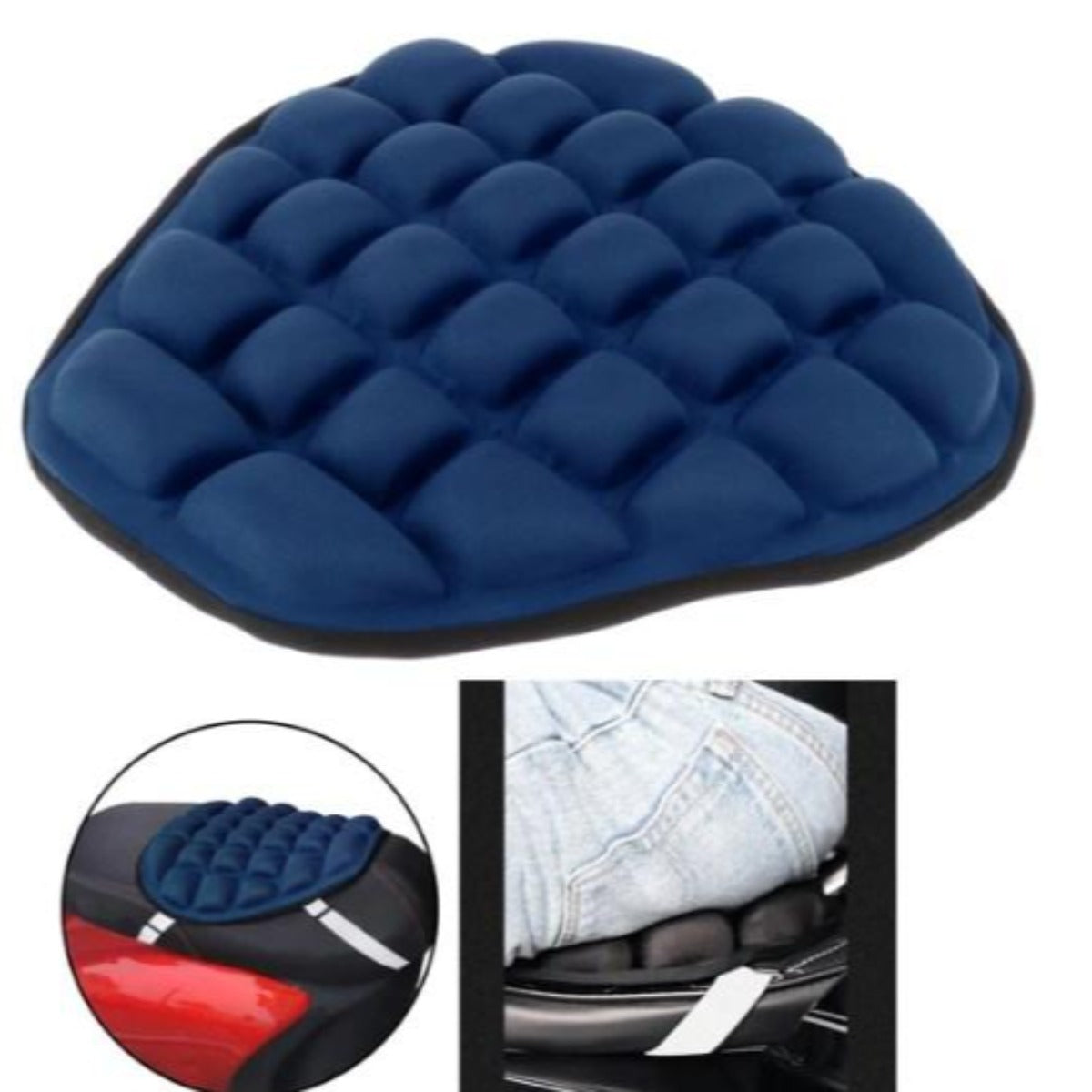
And the part most riders skip: posture isn't supposed to be static. The riders who last longest change position often, stand briefly when it's safe, take honest breaks, and soften the contact point so vibration and pressure aren't grinding the same two spots all day. Position matters — movement and fit matter more.



No comments yet. Be the first rider to weigh in.