

You feel the difference the second the wind hits at highway speed. That is where the half helmet vs full face debate stops being theory and starts being personal. One gives you that open-road freedom a lot of riders love. The other wraps your whole head and face in a shell built for impact, weather, and long-haul fatigue. Neither choice is random. It comes down to how you ride, what risks you accept, and how much comfort you want once the miles stack up.
Half helmet vs full face: the real difference
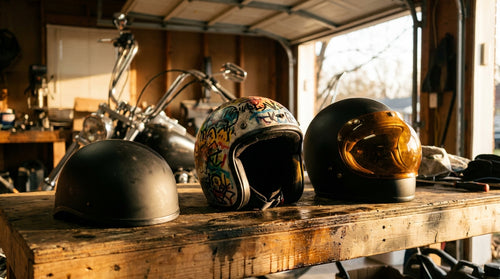
A half helmet covers the top of your head and usually sits above the ears, leaving your face exposed. It is lighter, more open, and tied hard to classic cruiser and biker style. A full face helmet covers your entire head, including the chin and jaw, with a face shield that cuts wind, debris, and rain.
That difference sounds simple, but it changes almost everything on the road. Protection, noise, weather coverage, communication clarity, eye fatigue, and even how fresh you feel after two hours in the saddle all shift depending on which helmet you wear.
If your priority is maximum coverage, the full face wins without much argument. If your priority is airflow, minimal bulk, and that stripped-down riding feel, the half helmet has a strong pull. Most riders are not choosing between good and bad. They are choosing between two different trade-offs.
Protection is where full face pulls ahead
Let us be blunt. A full face helmet gives you more protection. That matters most around the chin, jaw, cheeks, and face - areas a half helmet leaves exposed. If you go down, that extra structure can make a serious difference.
A lot of riders focus on impact to the top or sides of the head, but the lower part of the helmet matters too. Road debris, bugs, kicked-up gravel, and sudden weather are not just annoying at speed. They can distract you fast. A face shield and chin bar help you stay focused when conditions turn rough.
That does not mean a half helmet has no place. Plenty of riders use one for lower-speed cruising, short local runs, rally weekends, or rides where the vibe matters as much as the destination. But if you are stacking highway miles, riding in mixed traffic, or commuting in unpredictable conditions, full face protection is hard to ignore.
Comfort depends on what kind of discomfort you hate most
This is where the argument gets interesting. Riders talk about comfort like it is one thing, but it is not. Comfort can mean less weight on your neck. It can mean less wind blast. It can mean less pressure on your ears, better airflow in summer, or less noise beating you up on a long ride.
A half helmet usually feels lighter and less restrictive. You get more air, more peripheral openness, and none of that boxed-in feeling some riders hate. On a hot day around town, that can feel like the right call. If you do a lot of stop-and-go riding, that open design can also keep things from feeling stuffy.
A full face helmet tends to feel better once speed climbs. It cuts a lot of wind fatigue, reduces buffeting, and keeps your eyes from drying out. On a longer ride, that can actually be more comfortable than an open helmet, even if it feels heavier when you first put it on. So the real question is not just, “Which helmet is more comfortable?” It is, “What kind of riding wears you down?”
Noise, weather, and road fatigue matter more than most riders expect
Half helmets are loud. There is no way around it. Wind noise ramps up hard once you push into highway speed, and that constant blast can leave you tired before the ride is over. Your ears take more punishment, your communication gets worse, and your head feels more beat up after long stretches.
A full face helmet usually cuts that noise down, though helmet design, fit, and bike windshield setup still matter. It also shields you from cold air, road spray, and the kind of surprise rain that turns a good ride into a grind. If you ride in spring and fall, or in areas where the weather can flip in an hour, full face starts looking less like extra gear and more like a smart move.
That said, some riders prefer the raw feel of a half helmet and accept the noise as part of the experience. If your rides are short, fair-weather only, and mostly local, the trade may feel worth it.
Half helmet vs full face for different riding styles
Your bike and riding habits should drive this decision more than internet opinions.
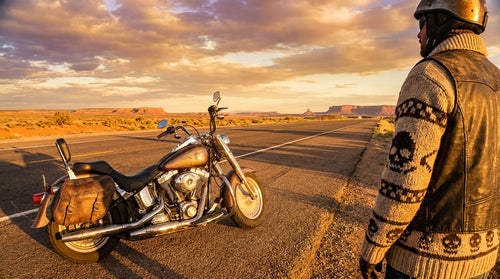
Cruiser riders often lean toward half helmets because the look matches the machine and the riding culture. They are popular for bar-to-bar runs, local meetups, scenic backroad rides, and warm-weather weekends. If your typical day in the saddle is relaxed, lower-speed, and style-conscious, a half helmet can fit the mission.
Touring riders, highway commuters, and all-season riders usually get more out of a full face. The longer and faster you ride, the more that added coverage pays off. On interstate runs, cold morning starts, and rough-weather stretches, a full face can keep you sharper and less fatigued.
Sport and performance riders almost always favor full face helmets for the same reason - more protection at higher speed. Adventure and dual-sport riders do too, though they may choose specialty designs. The basic pattern is simple: as speed, distance, and exposure increase, full face makes more sense.
Style still matters, and riders know it
Nobody in this scene is pretending gear is only about function. Style matters. Identity matters. The way your helmet looks with your bike, vest, jacket, and the rest of your setup matters too.
A half helmet carries a certain old-school, stripped-down attitude that a lot of cruiser and V-twin riders want. It shows your face, works with sunglasses, and keeps that open-road look front and center. For plenty of riders, that is not a small factor. It is part of why they ride.
A full face helmet leans more modern, aggressive, and purpose-built. Some riders love that locked-in, road-ready feel. Others think it cuts too much of the traditional biker image they want. Neither side is wrong. You are the one wearing it. Just be honest with yourself about whether you are buying for protection, comfort, image, or some mix of all three.
Fit matters more than helmet type
A cheap or badly fitted full face helmet can feel miserable. A poorly fitted half helmet can shift, lift, and become a distraction. Before you get caught up in style or shell design, make sure the helmet actually fits your head shape and size.
The right helmet should feel snug without creating hot spots. It should stay planted when you move your head. The straps should sit secure without feeling sloppy or loose. If the fit is off, the helmet will not perform the way it should, and you will probably stop wanting to wear it.
This is also where price comes into play. You do not always need the most expensive lid in the lineup, but bargain-bin gear can cost you in comfort, noise control, liner quality, and long-term durability. Road-tested gear that fits right is money better spent than flashy gear that never feels right.
So which one should you buy?
If you want the shortest answer, here it is. Buy a full face helmet if protection is your top priority, if you ride highway miles, if you ride in changing weather, or if you want less wind fatigue and more overall coverage. Buy a half helmet if your rides are mostly short, local, warm-weather, and you value a lighter, more open, more traditional biker feel.
There is also a middle ground a lot of riders land on - owning more than one helmet. A half helmet for casual local rides. A full face for longer runs, colder weather, or when conditions get unpredictable. If you ride enough, that setup starts to make a lot of sense.
The best choice is the one you will actually wear every time you throw a leg over the bike. A helmet sitting on a shelf because it feels wrong does you no good. Pick the one that matches your real-world riding, not the version of yourself you imagine on your best-weather Sunday.
If you are weighing options, start with how and where you ride most, then match your helmet to that job. Freedom feels good. Protection matters. The right lid gives you enough of both to keep chasing the next mile.

No comments yet. Be the first rider to weigh in.