
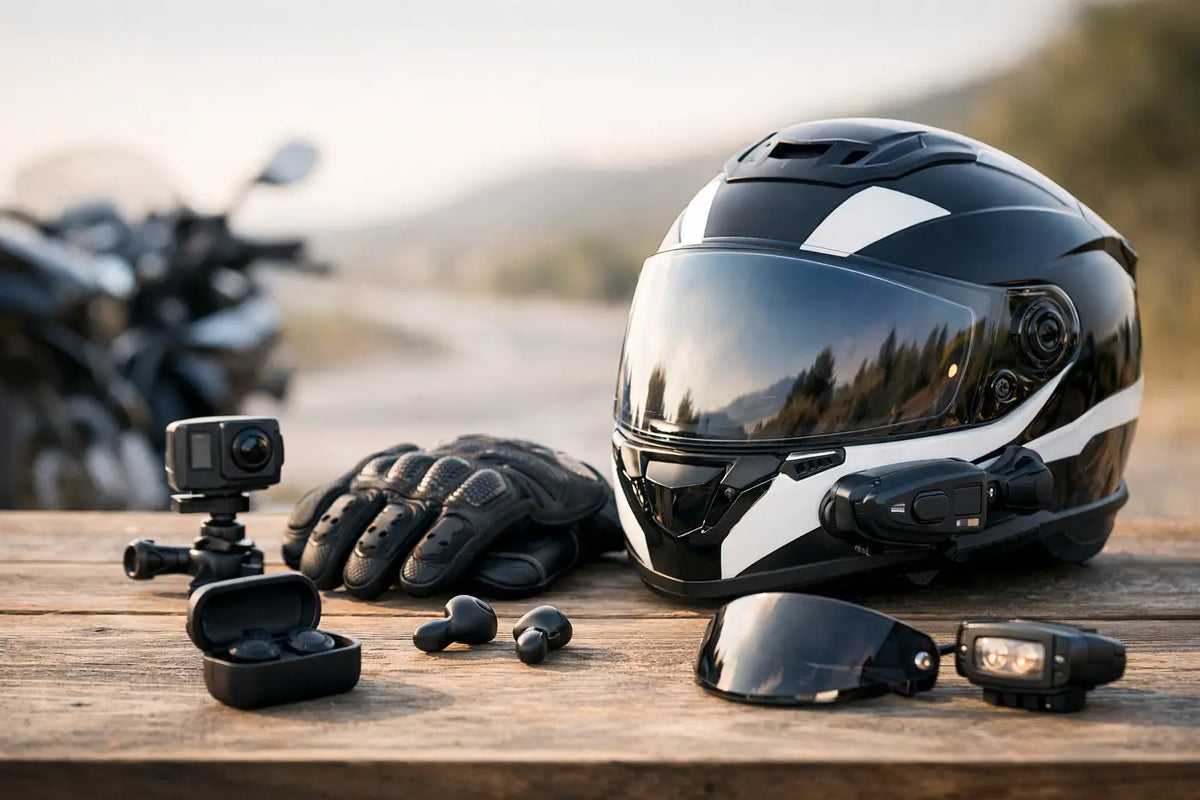
A bare helmet still gets the job done, but that is not where the market is moving. Riders are buying smarter setups, cleaner installs, and gear that works harder on long miles, daily commutes, and weekend runs. That is why motorcycle helmet accessories trends are shifting toward practical add-ons that improve comfort, visibility, communication, and personal style without turning a solid lid into a cluttered mess.
The biggest change is simple - riders want accessories that earn their place. If it does not make the ride safer, quieter, clearer, cooler, or more comfortable, it is getting skipped. Flashy gimmicks still show up, but the gear getting real attention is the gear that performs on the road.
Motorcycle helmet accessories trends are getting more practical
For a long time, helmet add-ons were hit or miss. Some looked good in photos but added wind drag, extra noise, or one more thing to break. Now the buying mindset is more disciplined. Riders are comparing fit, battery life, low-profile design, weather resistance, and how well an accessory works with the actual helmet shell.
That means the strongest motorcycle helmet accessories trends are not about piling on every available extra. They are about building a setup that matches the kind of riding you actually do. A bagger rider doing long highway stretches has different needs than a city commuter or a rider splitting time between weekend cruises and rally runs.
Communication systems keep leading the pack
Helmet communication systems are still one of the hottest categories, and for good reason. Riders want GPS prompts, music control, rider-to-rider chat, and hands-free calls without fumbling with a phone at a stoplight. The newer trend is toward smaller, slimmer units that do not look like a brick bolted to the side of the helmet.
Sound quality matters more than ever, but so does ease of use with gloves on. Big buttons, cleaner voice command performance, and easier pairing are driving purchase decisions. Riders are also paying more attention to battery life. A comms unit that quits halfway through an all-day ride is dead weight.
There is a trade-off here. More features usually mean a higher price, and premium sound upgrades can push the total even further. If you mostly ride solo and only want navigation prompts, a simpler unit may make more sense than paying for a full mesh communication setup you will barely use.
Low-profile integration is winning
The old clamp-on look is losing ground. Integrated or near-flush systems are gaining traction because they cut down on bulk and wind resistance. They also look better, which matters to riders who care about keeping a helmet sharp instead of turning it into a gadget rack.
Visor and shield upgrades are trending hard
Few helmet accessories change the riding experience as quickly as a better visor setup. Tinted shields, photochromic options, anti-fog inserts, and quick-swap face shields are all seeing stronger demand. Riders want better vision in changing weather without carrying a bunch of extra gear.
Photochromic shields are especially appealing because they adapt to light conditions. That convenience sells, but they are not perfect for every rider or climate. Response time can vary, and some riders still prefer dedicated clear and dark shields because they want full control.
Anti-fog performance is another major buying factor. Cold mornings, rain, and stop-and-go traffic expose weak shield setups fast. Riders are looking for inserts and coatings that actually hold up over time, not just for the first few rides.
Style still matters, but not at the cost of sight lines
Mirrored and smoke finishes still have a place, especially for riders building a tougher custom look. But the trend is less about pure appearance and more about getting that aggressive style without sacrificing optical clarity. A shield that looks mean but distorts your view is a bad buy.
Comfort upgrades are getting more attention
A lot of riders used to accept hot spots, pressure points, sweat buildup, and wind noise as part of the game. Not anymore. Comfort-focused accessories are becoming a bigger part of motorcycle helmet accessories trends because riders understand that discomfort wears you down and distraction has a cost.
Replacement cheek pads, moisture-wicking liners, breath guards, chin curtains, and upgraded padding kits are all getting more traction. These are not the flashiest purchases, but they can completely change how a helmet feels after two hours in the saddle.
This is where fit matters most. Not every accessory works across every helmet brand or shell shape, and forcing a universal part into a premium helmet can create more problems than it solves. The best comfort upgrade is usually the one designed for your specific model, even if it costs a little more.
Action camera mounts are still popular, but cleaner setups matter more
Riders still want to record road trips, group rides, and scenic runs. Helmet camera mounts remain popular, but the trend is shifting toward lower-profile placement and more secure adhesive systems. Big, awkward mounts that catch wind or look unstable are losing appeal.
There is also more awareness around weight balance. A camera and mount can change how a helmet feels at speed, especially on longer rides. For some riders, a chin mount gives the best angle. For others, side placement is easier and more practical. It depends on the helmet shape, the camera size, and how much extra drag you are willing to tolerate.
What is fading is the sloppy DIY look. Riders want mounts that feel intentional, not temporary.
Lighting and visibility add-ons are moving from niche to mainstream
Helmet-mounted LED lighting used to feel like a specialty item. Now it is gaining broader interest, especially among night riders, commuters, and anyone riding in traffic-heavy conditions. Rear visibility lights and brake-activated helmet lighting are getting more attention because they add a real safety benefit without requiring major setup.
That said, this category still depends heavily on local laws, mounting security, and charging convenience. Riders want visibility, but they do not want one more accessory to babysit. The products that are gaining traction are the ones that stay discreet, hold a charge, and survive bad weather.
Seasonal add-ons are selling with more purpose
Cold-weather and hot-weather helmet accessories are not new, but riders are shopping for them with more intention. In colder states, breath deflectors, insulated liners, and anti-fog systems are practical buys, not impulse extras. In hotter regions, cooling skull caps, vent-management accessories, and sweat-control liners are moving up the priority list.
This is a strong example of how trend and utility meet. Riders are no longer buying one setup and forcing it through every season. They are building a helmet system around where and how they ride.
Cleaner helmet care is part of the trend too
Not every accessory bolts onto the shell. Helmet care products and storage add-ons are becoming part of the conversation because riders want their gear to last longer and look better. Visor cleaning kits, anti-odor liner sprays, helmet bags, and storage hooks are seeing more demand as riders take a more complete approach to gear ownership.
It is not glamorous, but it makes sense. A premium helmet with a scratched shield and funky liner does not feel premium for long. Riders spending real money on gear are more willing to protect that investment.
Personal style is still a factor, just more controlled
Biker culture has never been shy about attitude, and helmet accessories still reflect that. Decorative accents, mohawk strips, custom visor colors, and themed add-ons all hold appeal for riders who want their gear to hit harder visually. That has not changed.
What has changed is restraint. More riders want a look that feels custom without crossing into cheap or gimmicky territory. The strongest style trend is selective personalization - one or two bold details instead of a helmet overloaded with every possible add-on. A sharper setup usually reads tougher anyway.
For a retailer like American Legend Rider, that matters. Riders are shopping for gear that backs up their identity, but they still want road-ready function. Looks get attention. Performance keeps the product in rotation.
What riders should watch before buying into trends
Not every trend deserves your money. The best move is to start with your helmet model, your riding style, and your pain points. If wind noise drives you nuts, focus on comms fit and noise-control accessories. If you ride before sunrise or after dark, shield clarity and visibility upgrades should come first. If summer heat beats you up, go straight to liner and ventilation support.
Compatibility is the first checkpoint. After that, think about weight, drag, charging needs, weather resistance, and how often you will actually use the accessory. The right helmet upgrade should feel like part of the helmet, not something you are tolerating because it looked good on a product page.
The strongest trend in this category is not really about tech, style, or even comfort by itself. It is about riders getting pickier. That is a good thing. A smarter helmet setup makes every mile better, and the best accessories are the ones that prove their value every time you throw a leg over the bike.


No comments yet. Be the first rider to weigh in.