
There's no blanket answer — spinal stenosis affects people very differently, and the only person who can tell you whether riding fits your case is your doctor. What we can talk about honestly is the mechanics.
Stenosis symptoms are often position-dependent. Many people find that arching backward or standing tall for long periods makes symptoms worse, while a slightly flexed, hip-hinged posture feels better — which is why some riders with stenosis actually tolerate a mild forward lean better than a bolt-upright or leaned-back cruiser slouch. Others find any long sit uncomfortable regardless of angle. Your tolerance is discovered, not predicted from a bike category.
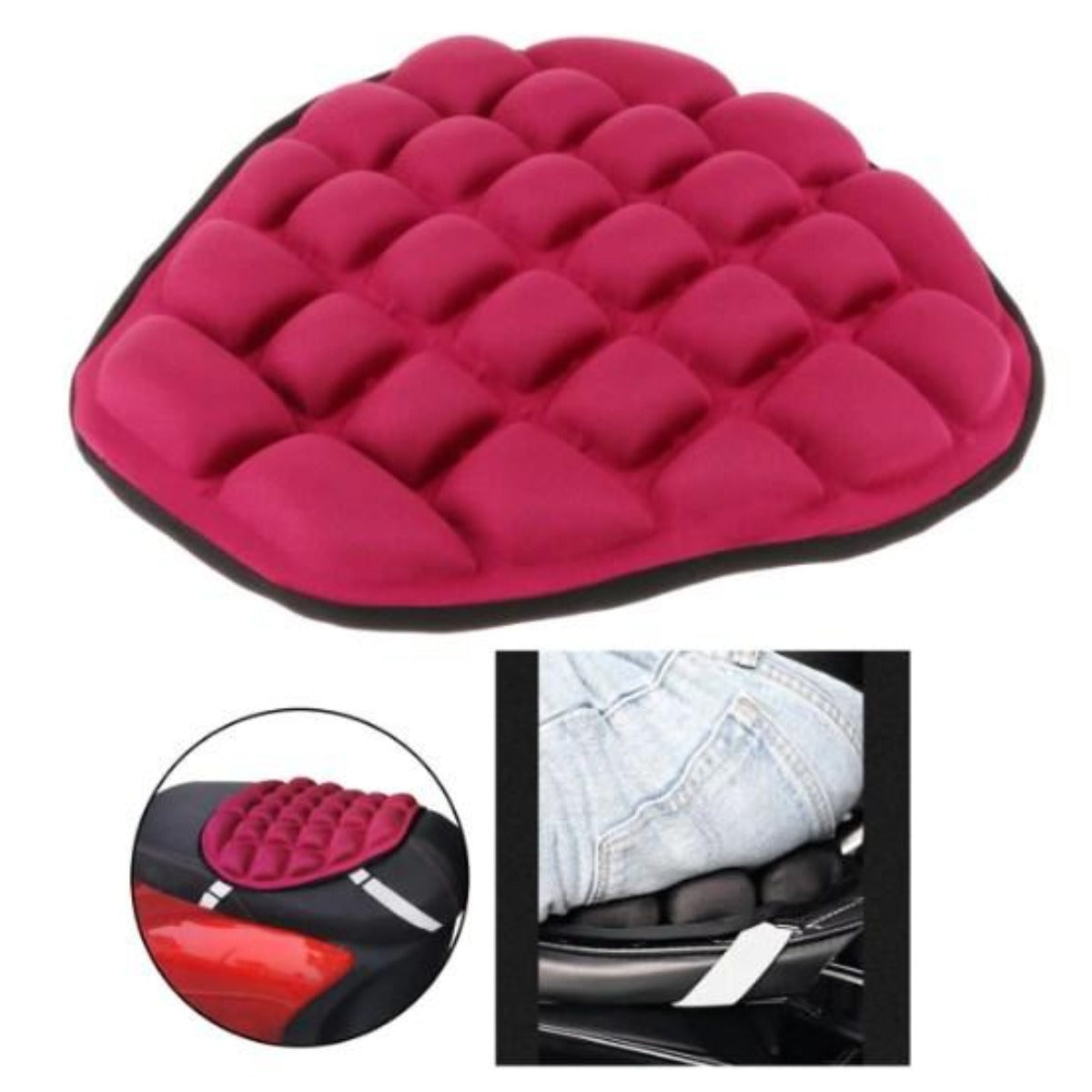
The parts of riding most likely to bother a sensitive spine are the same ones that bother every aging back: hours of static posture, road shocks arriving through the seat, and constant low-level vibration. If your doctor gives you the go-ahead to keep riding, the job becomes managing those inputs — shorter stints with real breaks, suspension set up for your weight, a relaxed reach to the bars so you're not forced into an arch, and a contact point that spreads pressure and soaks up the sharp edges of the road.
None of that treats stenosis — it just lowers the punishment per mile. Get your doctor's read on your specific spine first, then set the bike up to be as kind to it as possible.




No comments yet. Be the first rider to weigh in.