
That dread deserves to be taken seriously, because it's not really about pain — it's about identity. When you catch yourself checking the mileage before saying yes to a ride you'd once have jumped at, something important is on the line. So let's be clear about two things: you're not broken, and you don't need to sell the bike.
Here's what's actually happening. Riding loads your back in three mechanical ways — a static posture held for hours, constant vibration through the seat, and your weight concentrated on two small pressure points. Those loads don't care how fit you are; they're built into how a motorcycle carries a human. When they exceed what your back can absorb, pain shows up on a schedule, and your brain starts negotiating against rides. That's physics doing what physics does — and physics can be re-engineered.
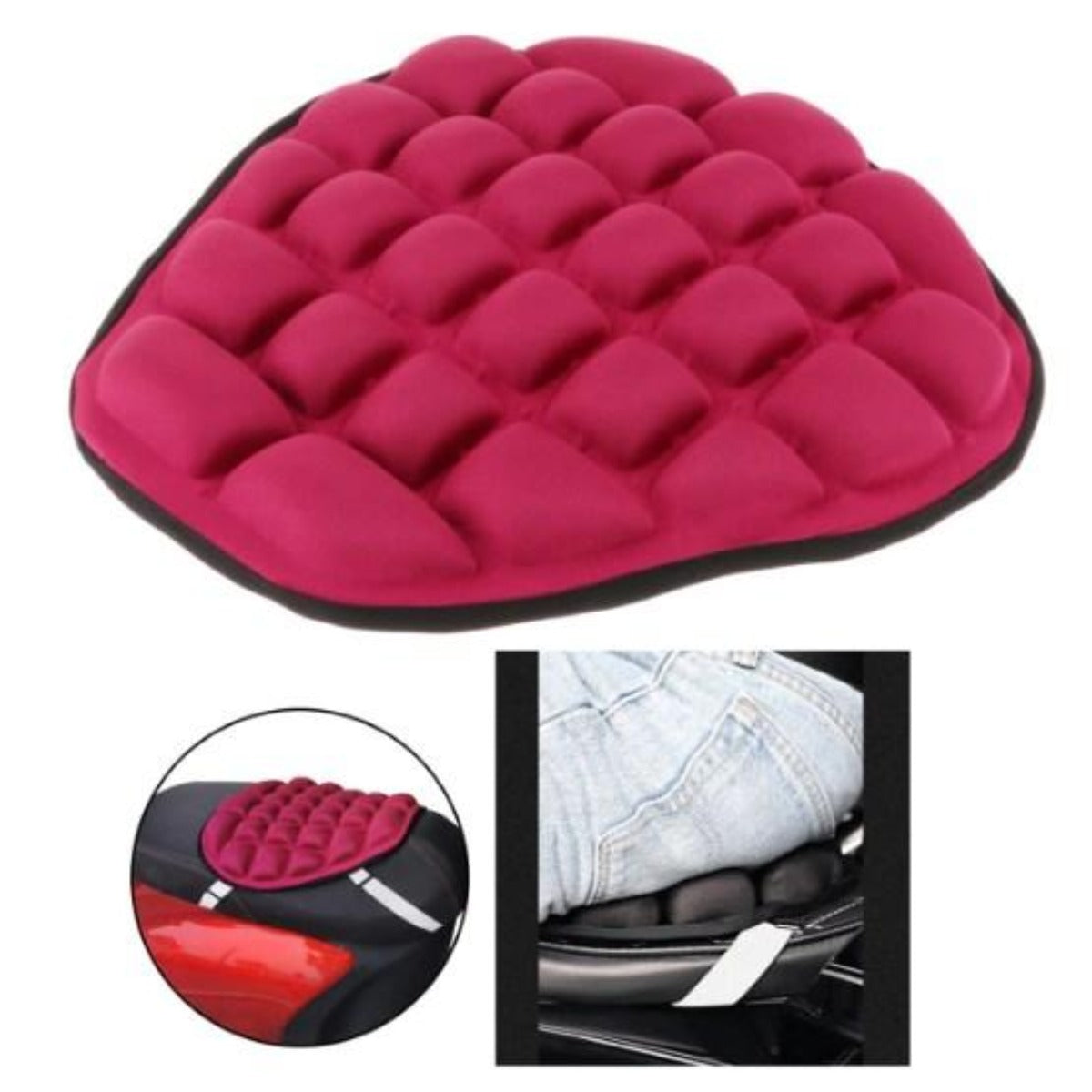
Work the three layers in order. Fit: set bars and pegs so your pelvis sits neutral instead of braced. Movement: posture resets every 15 minutes, brief stands on the pegs, a real stop every hour. Contact point: the layer most riders never touch — spread the pressure off those two points and absorb the bumps before they reach your spine. Riders who work through all three routinely find the wall moves from 30 minutes to half a day.
If pain persists at rest or radiates down a leg, loop in a doctor. Otherwise: the love isn't gone. The setup is just losing. Change the setup.




No comments yet. Be the first rider to weigh in.