
First, get safe. A seizing back stiffens fast and steals your ability to shoulder-check and countersteer, so signal, slow down, and pull off at the first safe spot — gas station, rest area, wide shoulder. Don't try to push through 40 more miles; a spasm you ignore usually escalates.
Off the bike:
- Walk slowly. Gentle movement is usually better than lying rigid — it tells the muscle it can stand down.
- Breathe slow and deep; spasms feed on tension.
- Ease through gentle range of motion — small pelvic tilts, easy side bends. No aggressive stretching into sharp pain.
- Give it 15–30 minutes before deciding whether to continue. Short hops with frequent stops beat one long push home.
Get medical help rather than riding on if the pain shoots down a leg, you have numbness or weakness, or the spasm is severe enough that you can't stand upright — that's not a toughness test worth taking. Afterward, heat and easy walking that evening usually help.
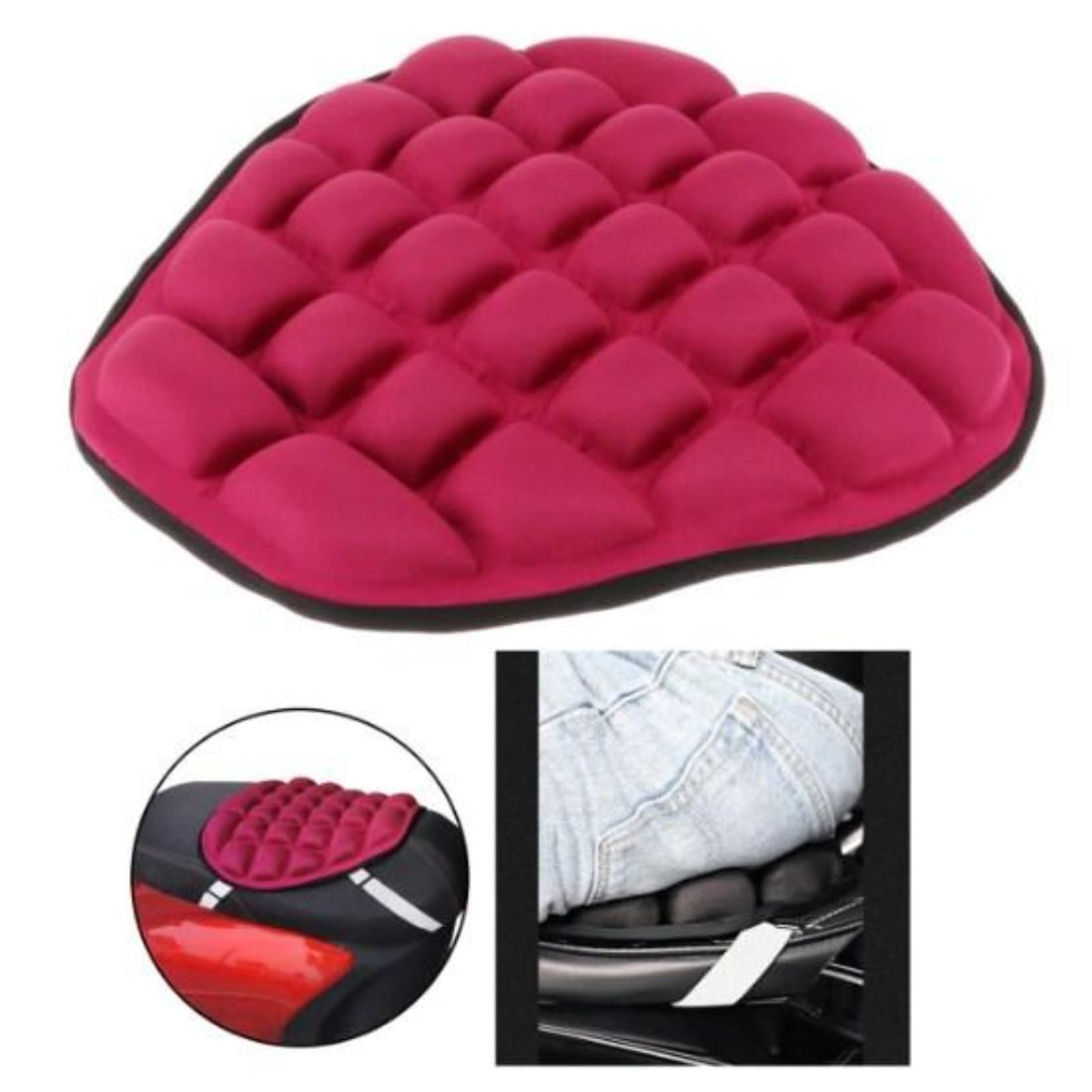
Then ask why it happened. Mid-ride spasms are usually the end stage of muscles that spent hours braced against a fixed posture, vibration, and pressure concentrated on two points. Posture resets, hourly breaks, and spreading the load at the seat are how you keep the warning from turning into a roadside event again.




No comments yet. Be the first rider to weigh in.