
Not automatically — and for many riders, not at all. Arthritis covers a huge range, from morning stiffness that burns off by the second cup of coffee to joint damage that genuinely changes what's safe. Which end you're on is a conversation for your doctor or rheumatologist, and it's worth having it specifically: tell them you ride, what bike, and what hurts. "Should I stop riding?" gets a much more useful answer than "my hands hurt."
What we can say honestly is that a lot of riders with arthritis keep riding by changing the terms rather than surrendering the keys. Common adaptations riders report:
- Heated grips and proper gloves — cold, stiff joints are a control problem, not just a comfort problem.
- Lighter clutch pull (or a bike that has one), adjusted lever reach, cruise control to rest the throttle wrist.
- A more neutral riding position so hips, knees, and wrists aren't pinned at end-range for an hour.
- Shorter stints, more breaks, and picking your weather — many riders say cold damp days simply cost too much.
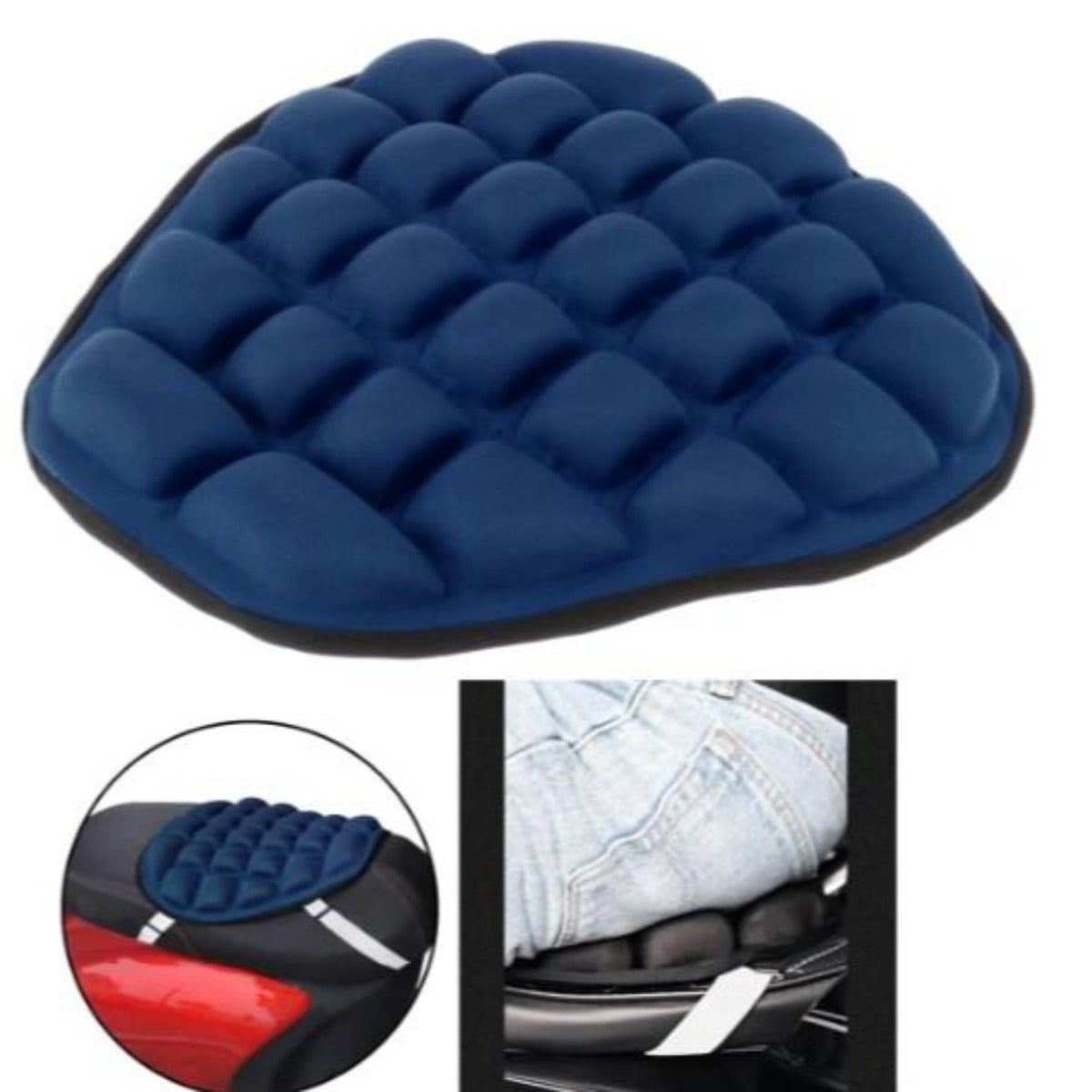
- A more forgiving contact point at the seat, since a rigid perch makes every joint upstream work harder.
None of that treats arthritis — it just lowers the toll each mile takes. If your doctor says riding is still on the table, the bike can almost always be made friendlier than it is today.



No comments yet. Be the first rider to weigh in.