
When it's safe and your bike allows it — yes. Standing on the pegs over rough stuff is one of the oldest tricks in riding, straight out of off-road technique, and the physics are exactly why it works: with your weight on your feet and your knees bent, your legs become the suspension. A hit that would have slammed straight up your seated spine gets absorbed by the biggest shock absorbers you own — your legs.
You don't need to stand tall like a motocross racer on the street. Even a slight rise — lifting your weight off the seat an inch with your knees soft — takes the spike out of a pothole, a rough railroad crossing, or a stretch of broken pavement. Adventure and dirt riders do it instinctively; plenty of street riders were simply never shown.
The caveats worth respecting:
- Do it on straight, predictable stretches — not mid-corner, not while braking hard.
- Keep your knees bent and your grip light; don't yank on the bars as you rise.
- Brief rises, not extended standing in traffic.
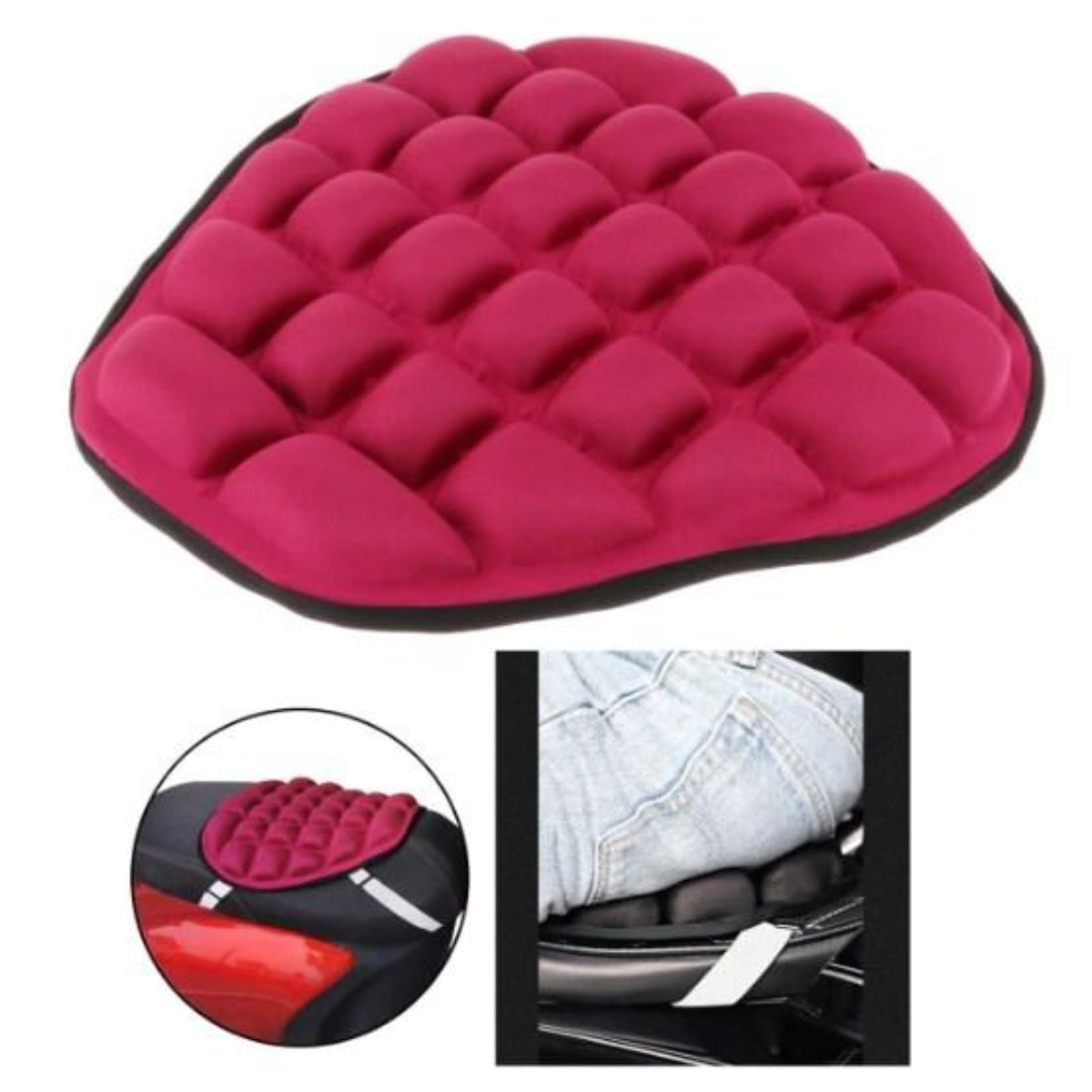
Here's the catch for cruiser riders: with forward controls, you often can't stand — your feet are out front with no leverage. That's exactly why bumps punish feet-forward bikes hardest, and why the seat contact point matters more on them than on any other layout: if your legs can't absorb the hit, whatever sits between you and the seat has to. Standing is free suspension — use it wherever your bike and the road allow.



No comments yet. Be the first rider to weigh in.