
It can be a solid option — often safer than street parking or a shared apartment garage — but facilities vary enormously, and the details decide everything.
First, the boring but critical part: check the contract. Some facilities prohibit vehicles or anything with fuel in the tank; others require proof of registration and insurance. Also confirm with your insurer that theft coverage applies to a bike kept at that address — don't assume.
Then vet the facility like a thief would:
- Gated entry with individual access codes and logged entries, not one shared gate code.
- Cameras that cover your unit's corridor, not just the office, plus good lighting and fencing.
- Staff on site during the day, and ideally units with individual door alarms.
- Drive-up interior units beat outdoor container rows on both weather and privacy.
Inside the unit, keep your habits: use your own high-quality disc-style lock on the unit door (the weak point of most units), chain the bike to itself or an anchor point, and put it on a stand with a cover.
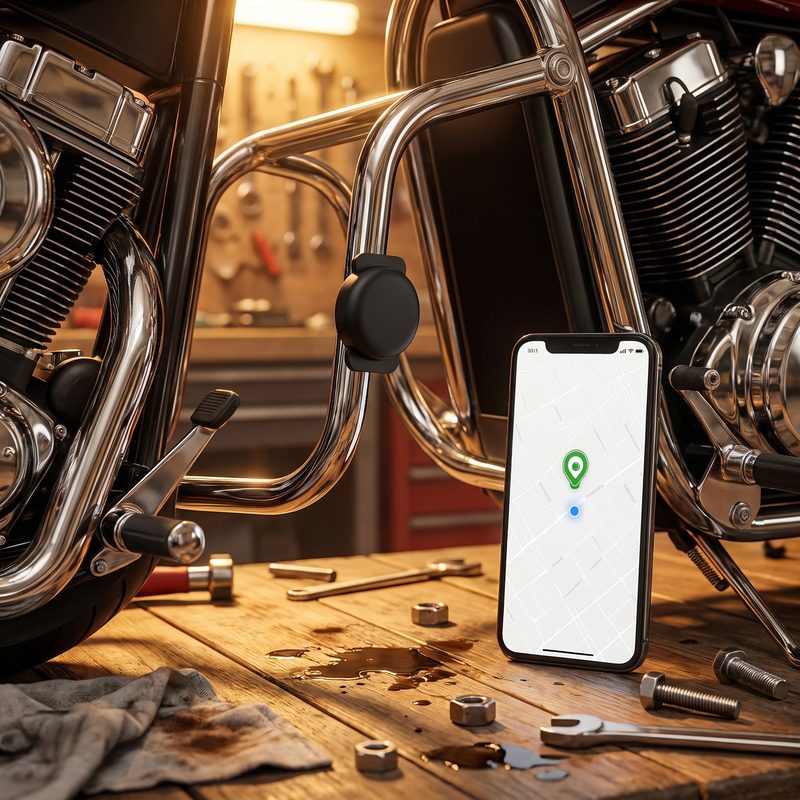
One real drawback of storage units is that you're not there — a break-in can go unnoticed for weeks. A hidden GPS tracker with movement alerts closes that gap: your phone tells you the moment the bike moves, and the battery comfortably outlasts a winter layup.




No comments yet. Be the first rider to weigh in.