
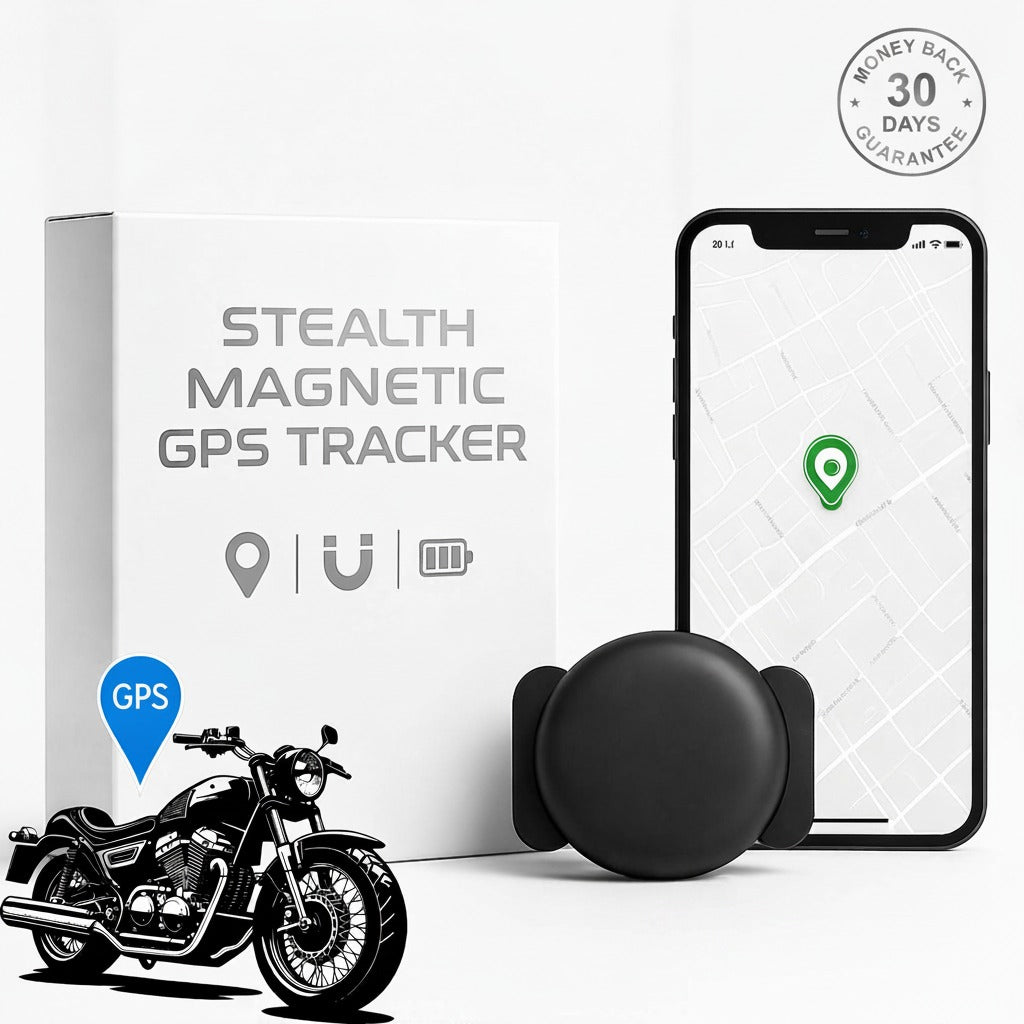
Yes — and not because you don't trust your friend. When you lend your motorcycle, you're really lending everything that can happen to it: the unfamiliar neighborhood it gets parked in, the bar lot it sits in overnight, the fact that your friend doesn't have your paranoid locking habits. If the bike disappears on their watch, a tracker turns an awful situation — for the friendship as much as the bike — into a live location you can hand police.
It's your own vehicle, so tracking it is the normal protective move, same as keeping it insured. Best practice is simple transparency: tell your friend it's on there. "Heads up, there's a tracker on the bike — if it gets stolen while you have it, we'll know where it is." Any friend worth lending a bike to hears that as a feature, not an accusation. Being upfront also keeps you clearly on the right side of any consent-to-track questions, which vary by state — tracking people is a different thing entirely from protecting your own property, so keep it about the bike and check your state law if you're unsure.
A magnetic tracker makes this painless: snap it on the frame before you hand over the key, get movement alerts the whole loan, pull it off when the bike comes home.


No comments yet. Be the first rider to weigh in.