
Penalties vary widely by state, but the general picture looks like this: because most motorcycles are worth more than state felony-theft thresholds, stealing one is typically charged as grand theft or grand larceny — a felony. Conviction can mean anywhere from probation and restitution for a first-time offender up to several years in state prison, plus fines and a permanent felony record. Higher-value bikes, prior convictions, or theft as part of an organized operation push sentences toward the heavier end.
Related conduct adds charges on top: breaking into a garage can bring burglary counts, grinding off a VIN is its own offense, running a chop shop carries separate penalties, and transporting a stolen vehicle across state lines can trigger federal charges. Some states treat any motor-vehicle theft as an automatic felony regardless of value.
These are general terms, not legal advice — thresholds, sentencing ranges, and enhancements differ state to state, so check your state law for specifics.
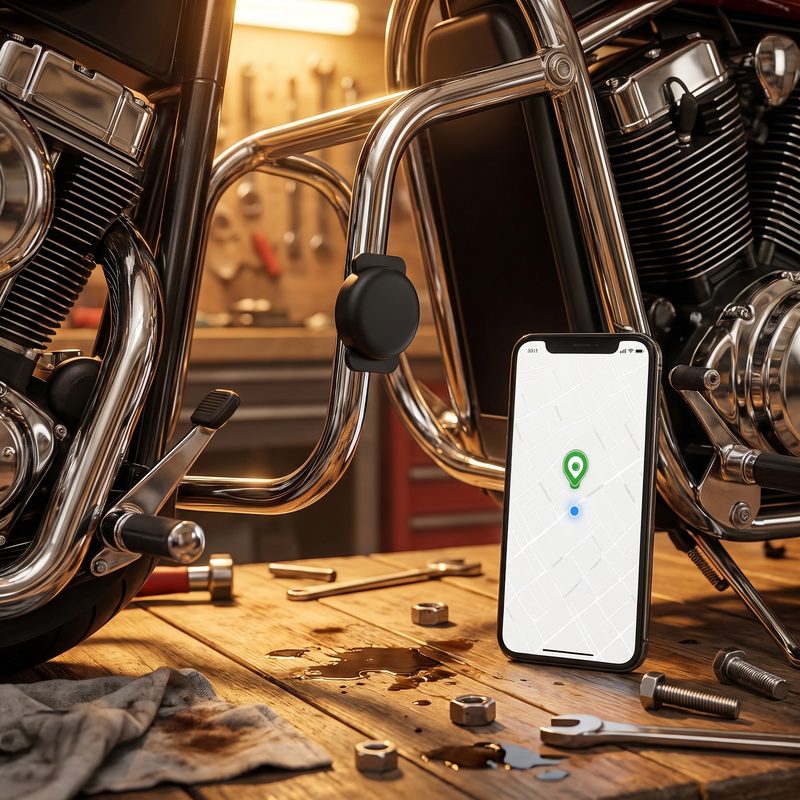
The honest rider takeaway: penalties only matter after your bike is already gone, and most thefts never end in an arrest unless the bike is found fast. That's the argument for layered security and a hidden tracker — evidence and a live location are what actually put a case together.




No comments yet. Be the first rider to weigh in.