
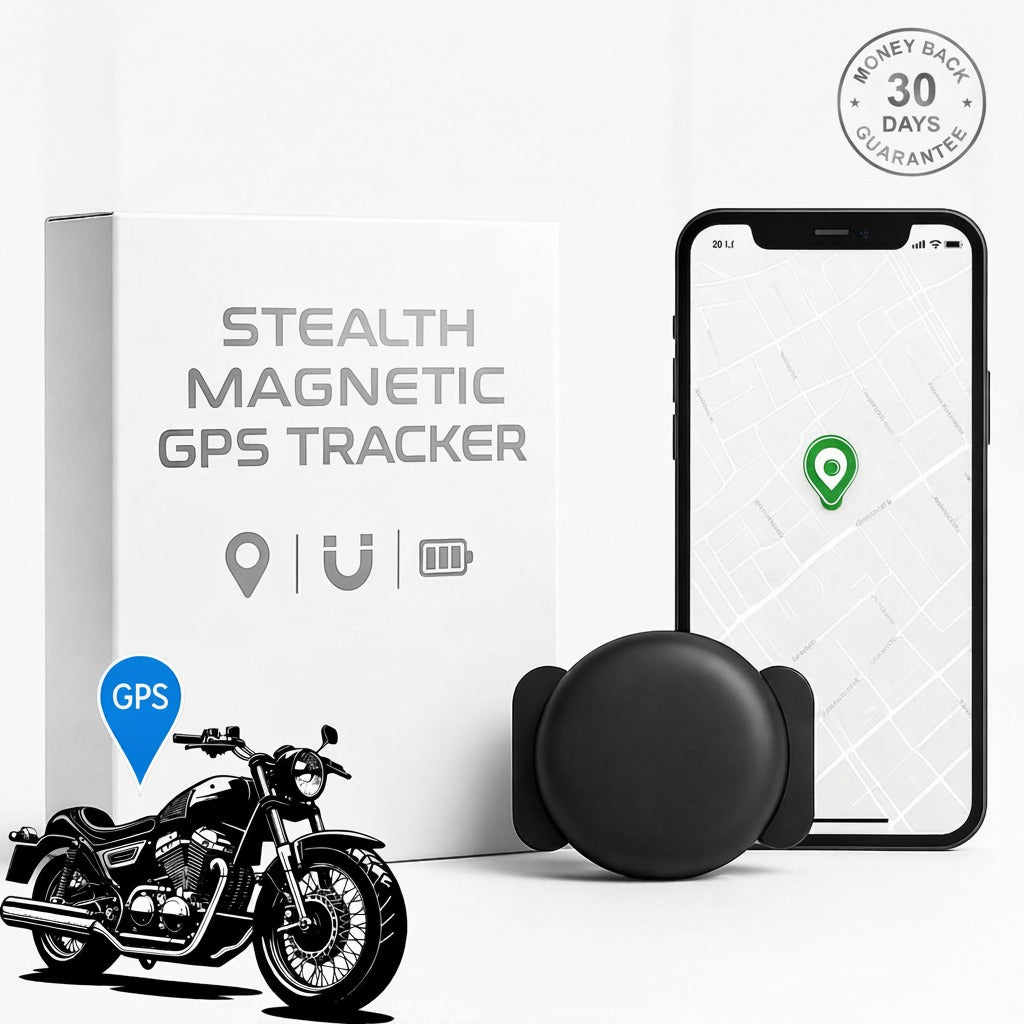
They'll rip it off and toss it — usually within seconds. There's no sugarcoating that. But the story doesn't end there, and it's worth understanding what you still have:
- Every location up to that moment. The tracker reported its position until it was removed. If it was pulled off at a house, a storage yard, or a chop-shop street, that last location is a real lead you can hand to police.
- The movement alert already fired. You knew the bike was moving from the first moment, which means the clock started early. Recoveries mostly happen fast or not at all, so those first minutes count for a lot.
- Time worked in your favor. Most thieves don't search for trackers at the theft scene — they move the bike first and inspect later. Every minute the tracker survives, you're watching.
Your job is to stretch that survival window. Skip the spots thieves check first (under the seat, the tool tray) and use a hiding place that requires real disassembly to discover. A magnetic tracker helps because you can put it somewhere unnatural — inside the tail, up under a fender — and relocate it now and then.
And this is exactly why security should be layered: a lock to slow them down, a tracker to chase them. Neither is perfect; together they're formidable.




No comments yet. Be the first rider to weigh in.