
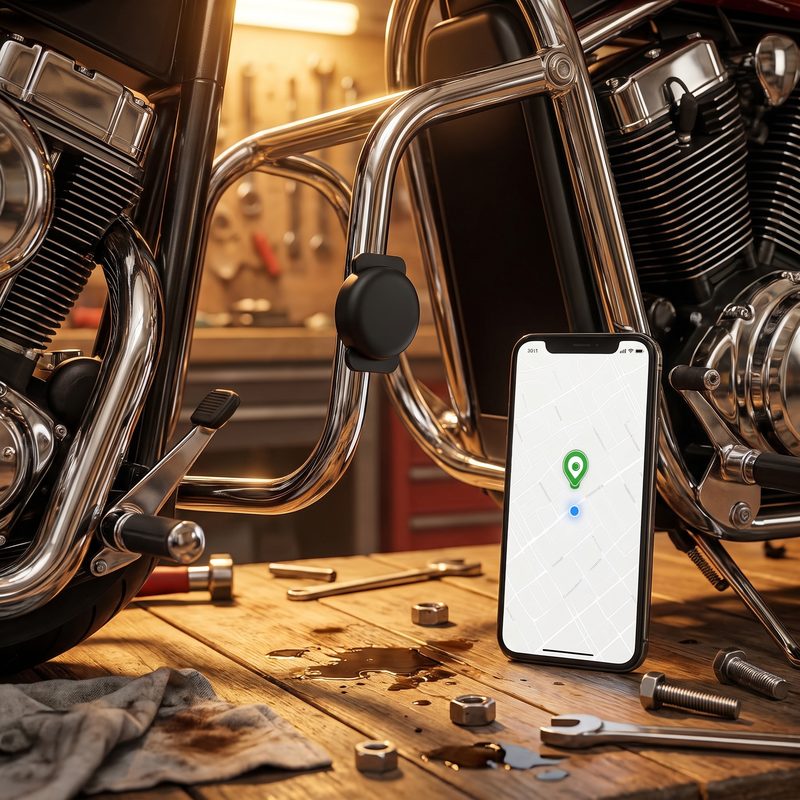
It's frustrating, but there's a straightforward explanation: without evidence, a stolen vehicle case has almost nothing for police to work with. Vehicle theft is a property crime, and departments triage — crimes against people come first, and detectives carry heavy caseloads. A report that says "it was there last night, gone this morning" gives them a plate number in a database and little else. There's no suspect, no witness, and often no camera angle. Realistically, most recoveries without tracking happen when a patrol officer runs a plate or a dumped vehicle gets called in.
What changes the math is what you hand them:
- A live GPS location turns a cold case into a pin on a map. Officers can and do act quickly when a vehicle's position is known — that's no longer detective work, it's a pickup.
- Camera footage with a face, a truck, or a plate gives them an actual lead.
- Fast reporting means the vehicle is flagged while it's still moving around your area.
So the honest answer: police aren't slow because they don't care — they're slow because most stolen-vehicle reports contain no location and no leads. Give them a live position from a hidden tracker and you'll usually see a very different response speed.




No comments yet. Be the first rider to weigh in.