
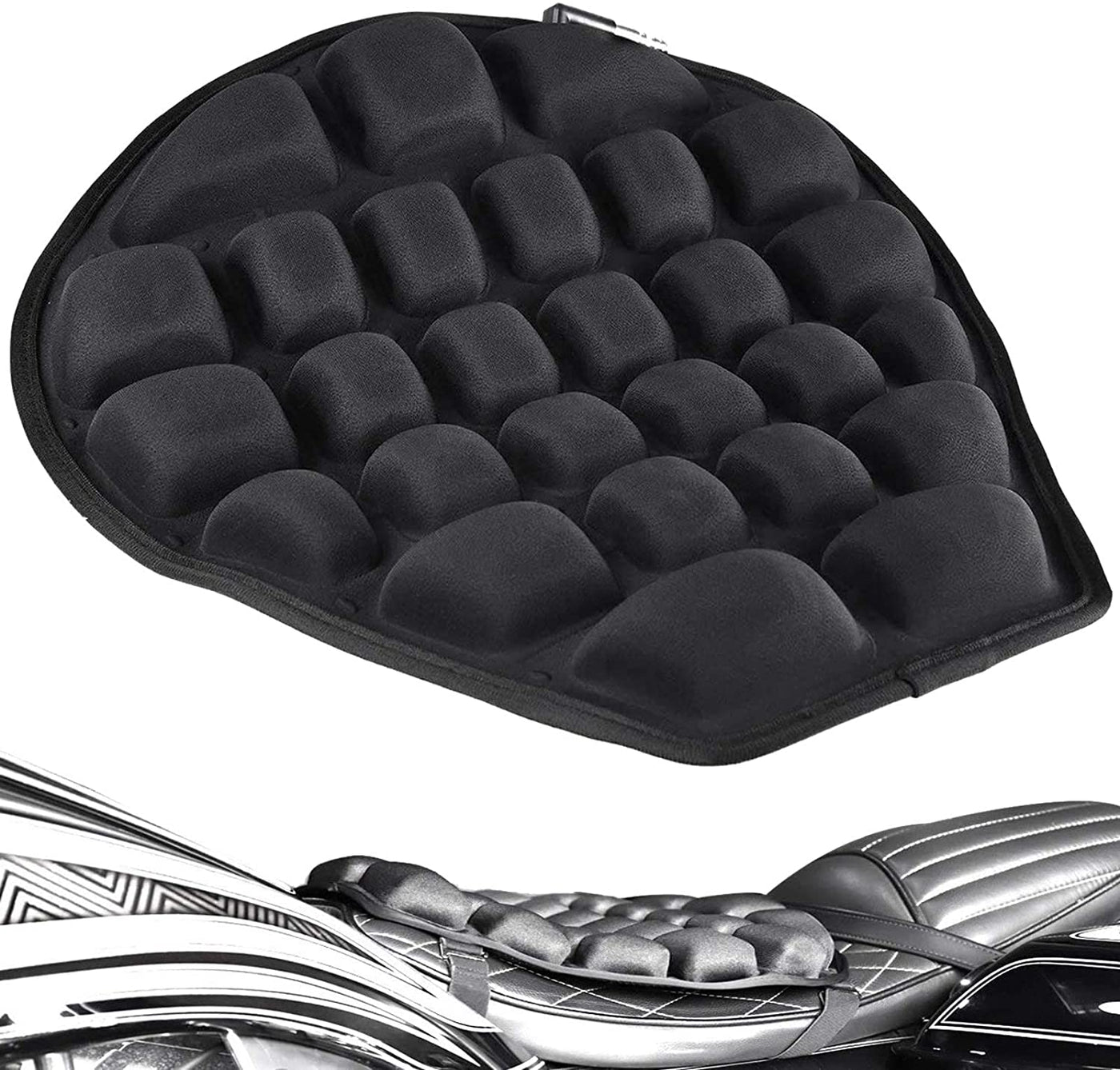
That dead-leg feeling is your body's wiring and plumbing getting pinched. Two things run right through the areas you sit on: the sciatic nerve — the thick nerve cable passing under each glute and down each leg — and the blood vessels feeding everything below your hips. When your weight concentrates on a couple of small contact points, the tissue between bone and seat compresses hard. Squeeze a nerve and it stops transmitting cleanly: tingling, static, then numbness. Squeeze the vessels and the tissues downstream run short on oxygen, which adds that heavy, dead sensation. A hard seat edge pressing into the backs of your thighs does the same thing from a different angle.
The occasional sleepy leg that wakes up within minutes of moving is harmless — annoying, but harmless. Numbness that arrives fast, happens every ride, or lingers after you're off the seat is worth mentioning to a doctor.
Prevention is blissfully mechanical:
- Shift your weight side to side every 15–20 minutes — don't wait for the tingle.
- Keep seat edges off the backs of your knees and thighs; feet planted or on pegs, not dangling.
- Spread the load. When the same body weight is distributed across the entire seat surface — which is exactly what interconnected air cells do — no single spot compresses hard enough to shut a nerve or vessel down. Riders describe it as their legs simply staying awake for the whole tank of gas.




No comments yet. Be the first rider to weigh in.