
Because that's when your motorcycle still exists as your motorcycle — whole, nearby, and moving through public space where police can actually intercept it. Every hour after that, the odds tilt toward the thief.
In the first hour, the bike is typically:
- Still in transit — in a van or being ridden to a holding spot, visible on roads where a patrol car can stop it.
- Still assembled — chop shops can strip a bike to anonymous parts within hours, and once that happens, recovery is effectively over.
- Still local — before it crosses state lines or gets staged for container export.
The problem is that most owners don't discover the theft for hours — overnight thefts are often found at 7 a.m., long after the trail has gone cold. That gap between the theft and your awareness of it is where bikes are lost.
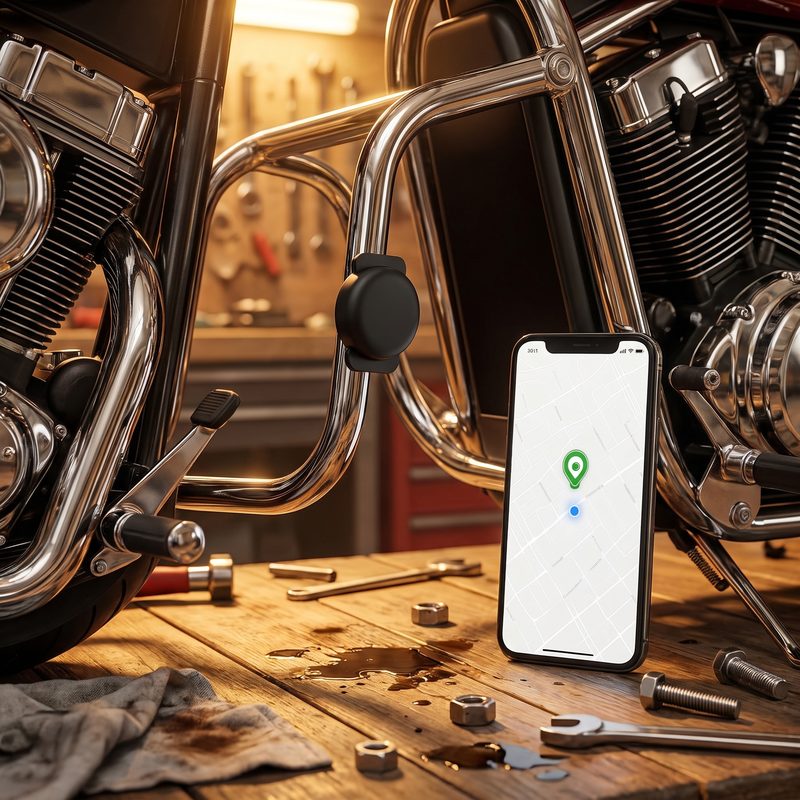
Closing that gap is exactly what motion alerts and live GPS tracking do. Your phone buzzes the moment the bike moves, you confirm it's not you, you call 911 with a live location, and police are working the case while the bike is still on the road. That sequence — alert, location, police — is the difference between a recovery story and an insurance claim.




No comments yet. Be the first rider to weigh in.