
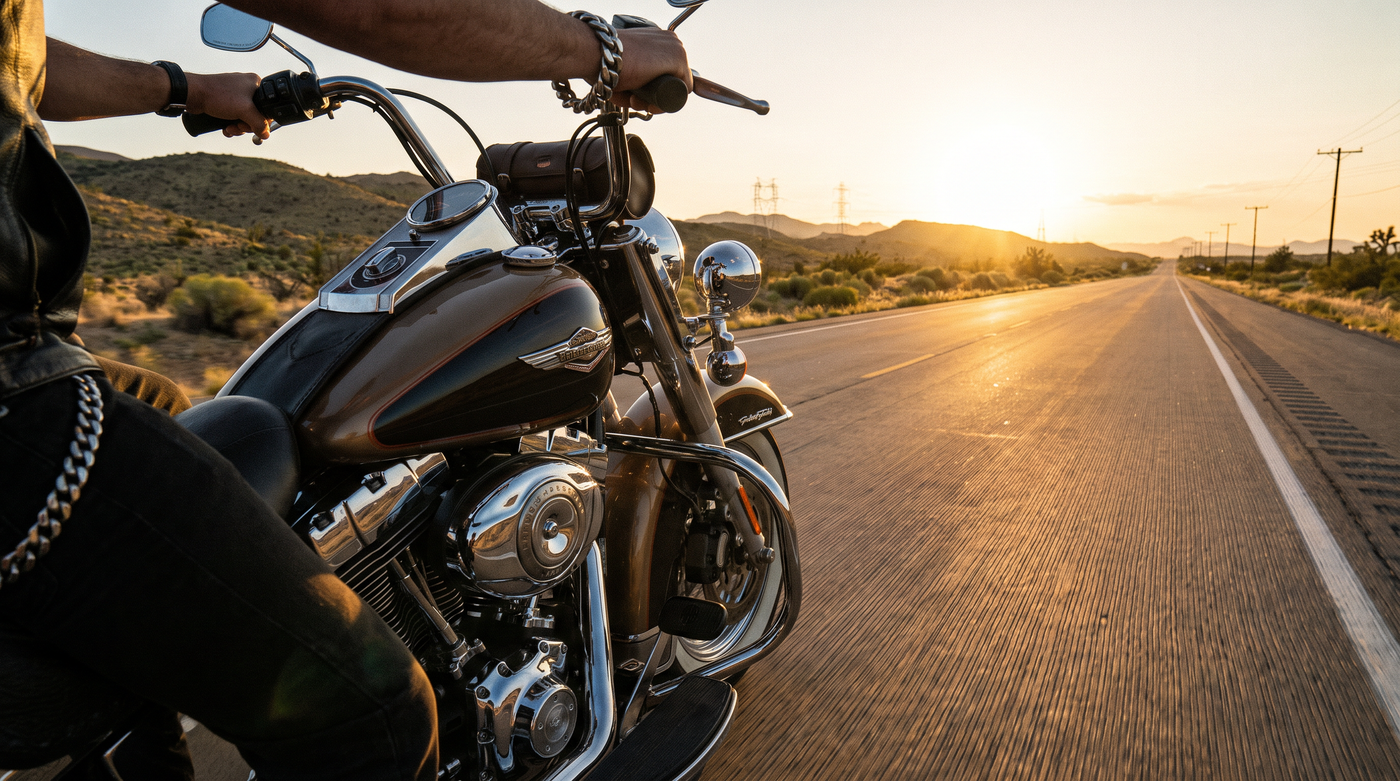
A motorcycle chain bracelet is one of those pieces that says everything about a rider without saying a word. Thick stainless steel links catching light on a throttle hand, the weight of real metal against your wrist on a long highway stretch. But the gap between a bracelet that holds up through 50,000 miles of riding and one that turns your skin green after two weeks is wider than most buyers realize. The wrong material, the wrong clasp, or the wrong width can turn a solid piece of biker jewelry into something you toss in a drawer and forget.
This guide breaks down the materials, styles, and sizing details that matter when you are shopping for a motorcycle chain bracelet. You will know exactly what to look for in stainless steel, silver, and leather options, and which common mistakes to avoid so the bracelet you pick actually lasts.
What Makes a Motorcycle Chain Bracelet Different from Regular Jewelry
A standard fashion bracelet is built for a desk job. Thin links, lightweight clasps, plating over base metal. A biker chain bracelet needs to handle engine vibration, weather exposure, and the constant flex of gripping handlebars for hours at a time. That is why most quality motorcycle chain bracelets use 316L stainless steel, the same medical-grade alloy used in surgical instruments and marine hardware. It resists corrosion from sweat, rain, and road salt without tarnishing.
Link width matters more on a motorcycle than anywhere else. Standard fashion chains run 3 to 5 mm wide. A proper biker chain bracelet starts at 10 mm and runs up to 25 mm for heavy styles. The wider links are not just for looks. They distribute weight across more wrist surface area, which prevents the bracelet from digging into your skin under riding gloves. A 15 mm wide 316L chain bracelet weighs around 80 to 120 grams, heavy enough to feel substantial without restricting wrist movement on the controls.
The clasp is the weak point on cheap bracelets. Lobster clasps and spring rings fail under vibration. The best biker chain bracelets use fold-over clasps with a secondary safety latch, or toggle clasps thick enough that they will not open accidentally at 70 mph. If you can pop the clasp open with one finger, it is not built for riding.

Stainless Steel vs. Silver vs. Leather: Materials Compared
The three main materials for a biker bracelet each have clear trade-offs. Here is how they stack up for riders who actually wear their jewelry on the road.
316L Stainless Steel
This is the standard for most motorcycle chain bracelets, and for good reason. 316L contains 16 to 18% chromium and 10 to 14% nickel, which creates a self-healing oxide layer that resists rust and corrosion. It will not tarnish from sweat or rain. It does not need polishing. A stainless steel biker bracelet will look nearly the same after five years as it did on day one, assuming the links are solid cast rather than hollow stamped.
The downside is weight. A heavy stainless chain bracelet at 20 mm wide can hit 150 grams, which some riders notice during long touring days. The upside: that weight gives the bracelet presence on the wrist that lighter materials cannot match.
Sterling Silver
Silver chain bracelets look distinctive and develop a dark patina over time that many riders prefer. But sterling silver (92.5% silver, 7.5% copper) is softer than stainless steel. It scratches more easily, and it tarnishes when exposed to air and moisture. You will need to clean and polish a silver biker bracelet regularly if you want it to stay bright. For riders who treat their jewelry as a wear-it-and-forget-it item, silver demands more maintenance than most are willing to give.
Leather Wrap with Chain Accents
Leather biker bracelets with chain or skull details offer a different look entirely. Genuine leather cuffs typically use 2 to 3 mm thick cowhide with stainless hardware. They weigh less than a full metal chain, sit flat under riding gloves, and break in over time the same way leather boots do. The trade-off: leather degrades faster in rain and sweat. A quality leather bracelet lasts about 2 to 3 years of daily riding before the stitching or snaps need attention. A stainless steel chain bracelet lasts a decade or more with zero maintenance.

5 Biker Chain Bracelet Styles Every Rider Should Know
Not every chain bracelet fits the same riding personality. Here are the five main styles and what each one communicates.
1. Classic Cuban Link
The Cuban link chain is the most recognized chain pattern in biker jewelry. Interlocking oval links, typically 12 to 18 mm wide, with a flat profile that sits close to the wrist. The pattern originated in hip-hop culture but has been adopted by the motorcycle community because it looks clean and does not snag on gloves or jacket cuffs. A solid 316L Cuban link bracelet at 14 mm width is the versatile baseline that works with any riding gear.

2. Skull Link Chain
Skull bracelets for men are the signature of biker culture. Each link is cast as a miniature skull, connected jaw to crown, forming a continuous chain. Quality versions use individual sand-cast skulls with detailed features. Cheaper versions stamp a skull pattern onto flat links. The difference is obvious from arm's length. A well-cast skull chain bracelet has depth and shadow in each skull that catches light differently through the day.

3. Byzantine Chain
The Byzantine pattern weaves links into a dense, rope-like chain that has more visual texture than a simple Cuban. It looks heavier than it is because the woven pattern fills in the gaps between links. At 10 to 14 mm width, a Byzantine bracelet has a vintage feel that pairs well with old-school cruiser style. The weave pattern also means these bracelets flex more naturally around the wrist, making them comfortable under leather riding gloves.
4. Figaro Chain
The Figaro pattern alternates groups of small round links with one longer oval link, creating a rhythm in the chain that looks different from every angle. It is more subtle than a Cuban or skull chain but still reads as distinctly biker at wider gauges. A 12 mm Figaro bracelet sits right in the middle ground between bold and understated. This is the style riders choose when they want a chain bracelet they can wear to a restaurant after the ride without drawing stares.
5. Skeleton and Bone Chain
Beyond skull links, there is a full category of skeleton-themed chain bracelets with bone-shaped links, skeleton hand clasps, and anatomical details. These are the statement pieces. A skeleton hand buckle bracelet with a fold-over clasp shaped like grasping fingers is the kind of piece that starts conversations at every gas stop.

How to Size a Biker Chain Bracelet for the Right Fit
Getting the size right matters more with heavy chain bracelets than with regular jewelry. Too tight and the links dig into your wrist bones. Too loose and the bracelet slides up your forearm under gloves, bunching uncomfortably against the cuff.
Measure your wrist with a flexible tape at the narrowest point, just below the wrist bone. Add 0.75 to 1 inch (19 to 25 mm) for a standard fit. Most biker chain bracelets come in 8 to 9 inch lengths. An 8-inch bracelet fits wrists measuring 6.75 to 7.25 inches. A 9-inch bracelet fits wrists measuring 7.75 to 8.25 inches.
Width affects perceived fit. A 20 mm wide chain feels tighter than a 10 mm chain at the same circumference because it covers more surface area and has less room to shift around. If you are between sizes on a wide bracelet, go up. On a narrow chain, the standard half-inch addition is usually right.
For riders who wear riding gloves, try the bracelet on with your gloves. Some glove cuffs sit over the bracelet, some sit under it. A bracelet that fits perfectly bare-wristed might be too tight when a glove cuff compresses it against your skin. Adjust your size choice based on how your gloves interact with the bracelet.
Biker Bracelets for Men: Matching Your Bracelet to Your Riding Gear
A motorcycle chain bracelet does not exist in isolation. It is part of your overall riding look, and the best pairings follow a few simple rules.
Match your bracelet metal to your other hardware. If your biker rings are stainless steel, your bracelet should be stainless steel. Mixing silver rings with a stainless bracelet creates a visual clash that looks unintentional rather than stylish. Same goes for belt buckles, wallet chains, and boot hardware. One metal type across all your accessories creates a unified look that reads as deliberate.
Weight should match your riding style. Touring riders who spend 6 to 8 hours in the saddle benefit from lighter bracelets in the 60 to 80 gram range. Weekend cruiser riders who log 2 to 3 hour rides can wear heavier statement pieces at 120 grams or more without discomfort. Rally riders who are walking around as much as riding can go as heavy as they want since foot pegs and handlebars are not in the equation all day.
A biker wallet chain and a chain bracelet on the same side can tangle. Wear them on opposite wrists, or use different chain patterns so they do not link together. A Cuban bracelet on the left and a Figaro wallet chain on the right keeps both pieces visible without interference.

Motorcycle Chain Bracelet vs. Other Biker Bracelet Styles
Here is how chain bracelets compare to other popular biker bracelet types on the features that matter most for riders.
| Feature | Chain Link | Leather Cuff | Beaded | Bangle/Solid |
|---|---|---|---|---|
| Typical weight | 80 to 150 g | 30 to 60 g | 40 to 70 g | 60 to 100 g |
| Durability | 10+ years | 2 to 3 years | 1 to 2 years | 10+ years |
| Rain resistance | Excellent | Poor | Fair | Excellent |
| Glove compatibility | Good | Bulky | Good | Fair |
| Maintenance | None (316L) | Conditioning | Restringing | None (316L) |
| Price range | $25 to $80 | $15 to $45 | $10 to $35 | $30 to $90 |
| Style range | Wide | Moderate | Limited | Limited |
| Best for | All riding | Casual rides | Off-bike wear | Minimalist look |
Chain bracelets win on durability and weather resistance, which is why they dominate biker jewelry. Leather cuffs have their place for riders who prefer a softer look and do not mind the maintenance. Beaded bracelets are popular off the bike but the cord stretches and breaks under riding vibration, making them a poor choice for actual road wear.
4 Mistakes Riders Make Buying Motorcycle Chain Bracelets
1. Choosing plated over solid. Gold-plated or chrome-plated stainless steel looks identical to solid metal in photos. Within a few months of riding, the plating wears through at contact points: the clasp, the links that touch the tank, the spots under gloves. Exposed base metal then corrodes faster than unplated stainless would. If you want gold tone, choose PVD (physical vapor deposition) coated 316L, which bonds at the molecular level and lasts years longer than standard plating.
2. Ignoring clasp type. A cheap lobster clasp on a 100-gram chain bracelet is a guaranteed loss. Vibration, road bumps, and the constant flex of throttle and brake inputs will pop it open. Toggle clasps work for lighter chains under 70 grams. Anything heavier needs a fold-over clasp with a lock tab or a box clasp with a figure-eight safety catch.
3. Buying hollow links. Hollow stamped links weigh half as much as solid cast links, which sounds like a benefit until the first link dents from bumping against your handlebar riser. Once one link collapses, the bracelet catches on everything. Pinch the links between your fingers. If they flex or give at all, the chain is hollow. Walk away.
4. Skipping the magnet test. Real 316L stainless steel is weakly magnetic or non-magnetic. If a magnet sticks firmly to the bracelet, it is likely 304 stainless or a lower grade that will rust in wet conditions. This 3-second test at a market stall or bike rally will save you from buying mystery metal marketed as premium stainless.
Finding a Motorcycle Chain Bracelet That Lasts
The right biker chain bracelet is one you put on, forget about, and still find on your wrist looking good years later. Solid 316L stainless steel, a secure fold-over or toggle clasp, and links wide enough to sit comfortably under your riding gloves. That combination handles rain, sweat, engine heat, and daily wear without asking anything from you in return.
If you are ready to pick one out, the biker bracelets collection has chain link, skull, and leather styles built for riders, not jewelry cases.
No comments yet. Be the first rider to weigh in.