
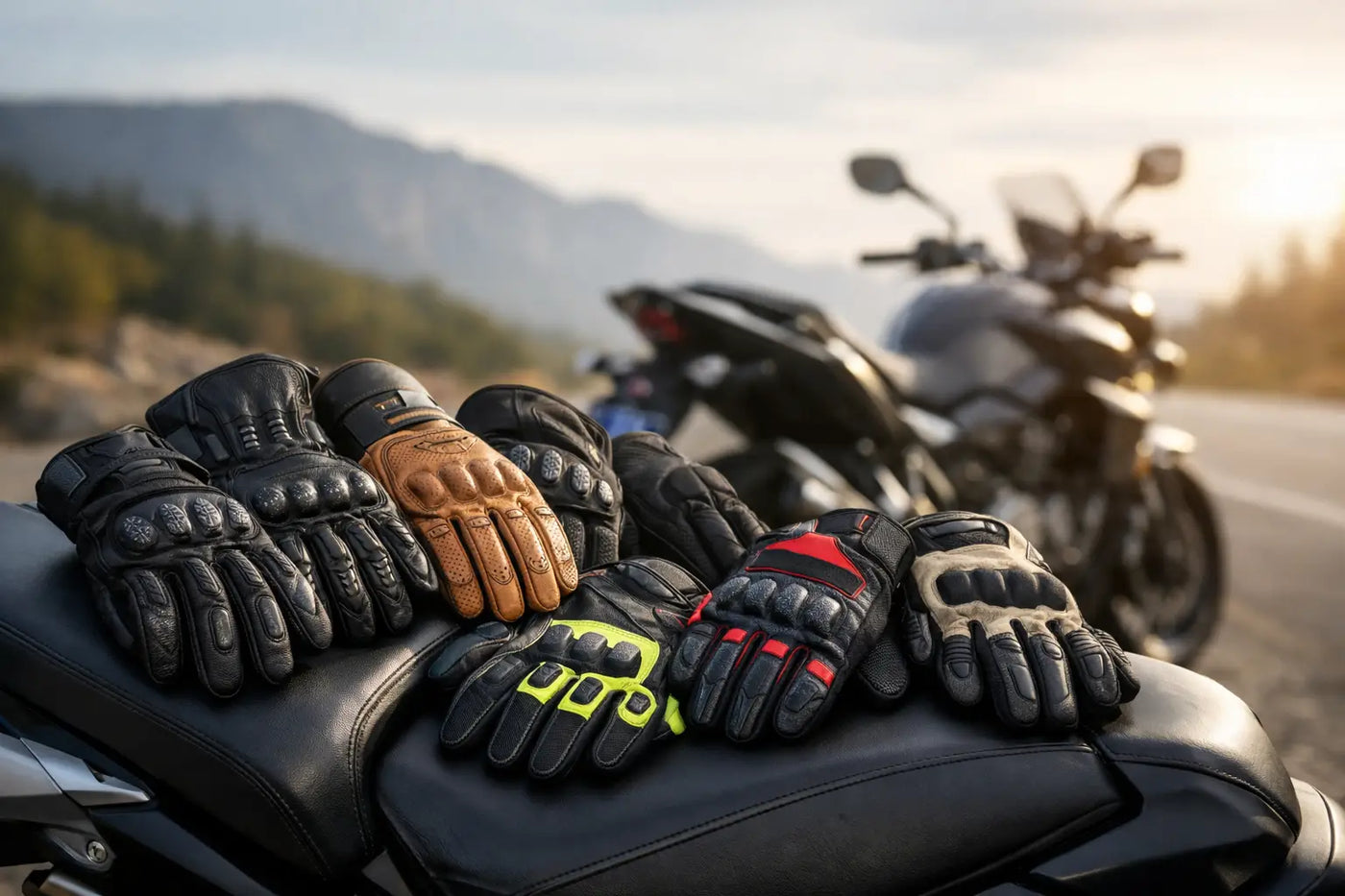
A weak glove ruins a ride fast. Numb fingers, bad grip, sweaty palms, cold wind cutting through the seams - that is how a good day on the bike turns into a long one.
The best motorcycle riding gloves do more than cover your hands. They protect your knuckles, improve throttle control, cut fatigue, and give you the kind of road feel that keeps you sharp in traffic, on the highway, or deep into a weekend run. If you are shopping for a new pair, the smart move is not just chasing the toughest-looking glove on the page. It is finding the right glove for your ride style, weather, and comfort level.
What makes the best motorcycle riding gloves?
The answer depends on how and where you ride. A cruiser rider knocking out miles in warm weather needs something different than a sport rider carving corners or a commuter dealing with cold morning air and wet pavement.
That said, the best motorcycle riding gloves usually get four things right. They protect high-impact areas, they fit without bunching, they hold up under real road use, and they let you actually feel the controls. If a glove is armored like a tank but makes the clutch feel vague, that trade-off may not be worth it. If it feels soft and broken-in on day one but starts falling apart after a month, that is not a bargain.
Good gloves balance protection and control. Great gloves do it without making your hands miserable after an hour.
Best motorcycle riding gloves by type
Instead of pretending one glove rules every ride, it makes more sense to break the category down by what each style does best.
1. Full-gauntlet leather gloves for highway and touring
If you spend serious time on open roads, full-gauntlet leather gloves are hard to beat. They extend over the wrist, give you better abrasion coverage, and usually include reinforced palms, knuckle armor, and stronger closure systems.
This is the glove for riders who want more confidence at speed. The downside is bulk. Some gauntlet gloves feel stiff until they break in, and in peak summer heat they can run hot. Still, for long-haul riders and anyone who puts protection first, this style stays near the top of the list.
2. Short-cuff gloves for everyday riding
Short-cuff gloves are the all-around workhorses. They are easier to get on and off, usually breathe better, and pair well with casual jackets or lighter riding gear. For city riding, short trips, and warm-weather cruising, they make a lot of sense.
The trade-off is wrist coverage. You get less overlap with your jacket, which matters more in a slide or bad weather. But if comfort and daily convenience matter most, a solid short-cuff glove is often the pair riders grab first.
3. Summer mesh gloves for hot-weather miles
When the heat is brutal, heavy leather can become a punishment. Summer mesh gloves are built to move air and keep your hands from turning into sweatboxes at every stoplight.
The better ones still add palm reinforcement and molded knuckle protection, so you are not choosing between airflow and basic safety. Cheap mesh gloves, though, tend to cut corners fast. If the fabric feels flimsy or the armor looks more decorative than functional, keep moving.
4. Cold-weather insulated gloves
Cold hands kill reaction time. It is that simple. If you ride in late fall, winter, or chilly mornings, insulated gloves are not a luxury purchase.
Look for wind resistance first, then insulation, then weather sealing. Too much insulation can make the controls feel dead, so this category is always about compromise. The best cold-weather gloves keep the bite off your hands without turning every lever pull into guesswork.
5. Waterproof gloves for wet riding
A glove can survive a light drizzle and still fail hard in steady rain. True wet-weather gloves need sealed construction, water-resistant materials, and enough grip to stay usable when everything is slick.
The catch is breathability. Waterproof gear often traps heat and sweat, especially in warmer climates. Riders in mixed weather may be better off with a water-resistant three-season glove instead of a fully sealed rain-focused pair.
Features that separate a solid glove from a cheap one
A lot of gloves look tough in pictures. The difference shows up in the stitching, the fit, and what happens after a few hundred miles.
Knuckle protection
Hard-shell or molded knuckle armor helps absorb impact and gives the glove real riding credibility. Soft padding is better than nothing, but for serious street use, more structure is usually better.
Palm reinforcement
Palms take a beating from both riding and any contact with the pavement. Reinforced leather panels, padded sliders, or abrasion-resistant overlays are worth having. This is one of the first areas where low-end gloves start wearing out.
Secure closure
A glove that shifts around is a problem. You want a firm wrist closure that keeps the glove planted without cutting circulation. Hook-and-loop closures are common and practical, while some premium gloves add straps or dual closures for a more locked-in fit.
Finger mobility
Pre-curved fingers, flex panels, and stretch zones matter more than a lot of riders realize. They reduce hand fatigue and make throttle, brake, and clutch work feel natural instead of stiff.
Touchscreen fingertips
Not essential, but useful. If you use navigation, answer a quick call at a stop, or check your phone without peeling off a glove, this feature earns its keep.
Leather vs textile: which is better?
Leather still sets the standard for abrasion resistance, road feel, and classic biker style. It breaks in well, looks better with age, and fits the attitude a lot of riders want. If you ride a cruiser, touring bike, or V-twin and want that traditional feel, leather is usually the move.
Textile gloves bring better airflow, lighter weight, and often lower cost. They make sense for hot-weather riders, commuters, and anybody who wants flexibility without spending premium money. The weak spot is long-term durability. Some textiles hold up great, but cheap synthetic builds can break down fast.
For a lot of riders, the right answer is not leather or textile. It is both. One pair for hot weather, one pair for colder or longer rides.
How the best motorcycle riding gloves should fit
If the glove is too loose, it will bunch, slide, and wear badly. Too tight, and your hands will ache before the ride gets good.
A proper fit should feel snug across the palm and fingers without crushing them. Your fingertips should reach close to the end without being jammed hard into the material. Armor should sit where it is supposed to sit - over the knuckles, not drifting off to one side.
New leather gloves may feel a little tight at first because they break in. Textile gloves usually change less over time. If you are between sizes, think about the material and how you ride. A sportier fit can be tighter. A touring fit often benefits from just a touch more room.
Choosing the right glove for your ride style
Cruiser riders usually lean toward leather, comfort, and a strong mix of protection and old-school style. Sport and naked bike riders often want more aggressive armor, a close fit, and high-control finger feel. Touring riders care about all-day comfort, weather coverage, and reduced fatigue. Commuters need versatility more than anything else.
That is why the best motorcycle riding gloves are not always the most expensive or the most armored. They are the pair that matches your real riding life. A race-inspired glove may be overkill for coffee runs and city traffic. A lightweight summer glove might feel great until the temperature drops or the speed climbs.
When it is time to replace your gloves
If the seams are opening, the palm is thinning, the armor is shifting, or the closure no longer holds, the gloves are done. Same goes for leather that has gone stiff and cracked or fabric that has frayed through key contact points.
A lot of riders hang onto worn gloves because they still feel familiar. That comfort can fool you. Once the protection and fit start breaking down, you are riding with compromised gear.
Shop smarter, not louder
A skull graphic, blacked-out leather, or aggressive carbon-look armor can look damn good, and there is nothing wrong with wanting gear that matches your bike and your style. But the best motorcycle riding gloves earn their place on the road first.
Start with fit. Then look at protection. Then think about weather, ride style, and how often you actually ride. If one pair can cover most of your miles, great. If your riding changes with the seasons, having more than one pair is not overkill - it is common sense.
At American Legend Rider, riders shop gear the same way they ride - with purpose. Get the glove that grips right, holds up, and looks like it belongs in your saddlebag, not buried in a bargain bin.
Your hands run the bike. Treat them like they matter before the next ride proves it for you.



No comments yet. Be the first rider to weigh in.