
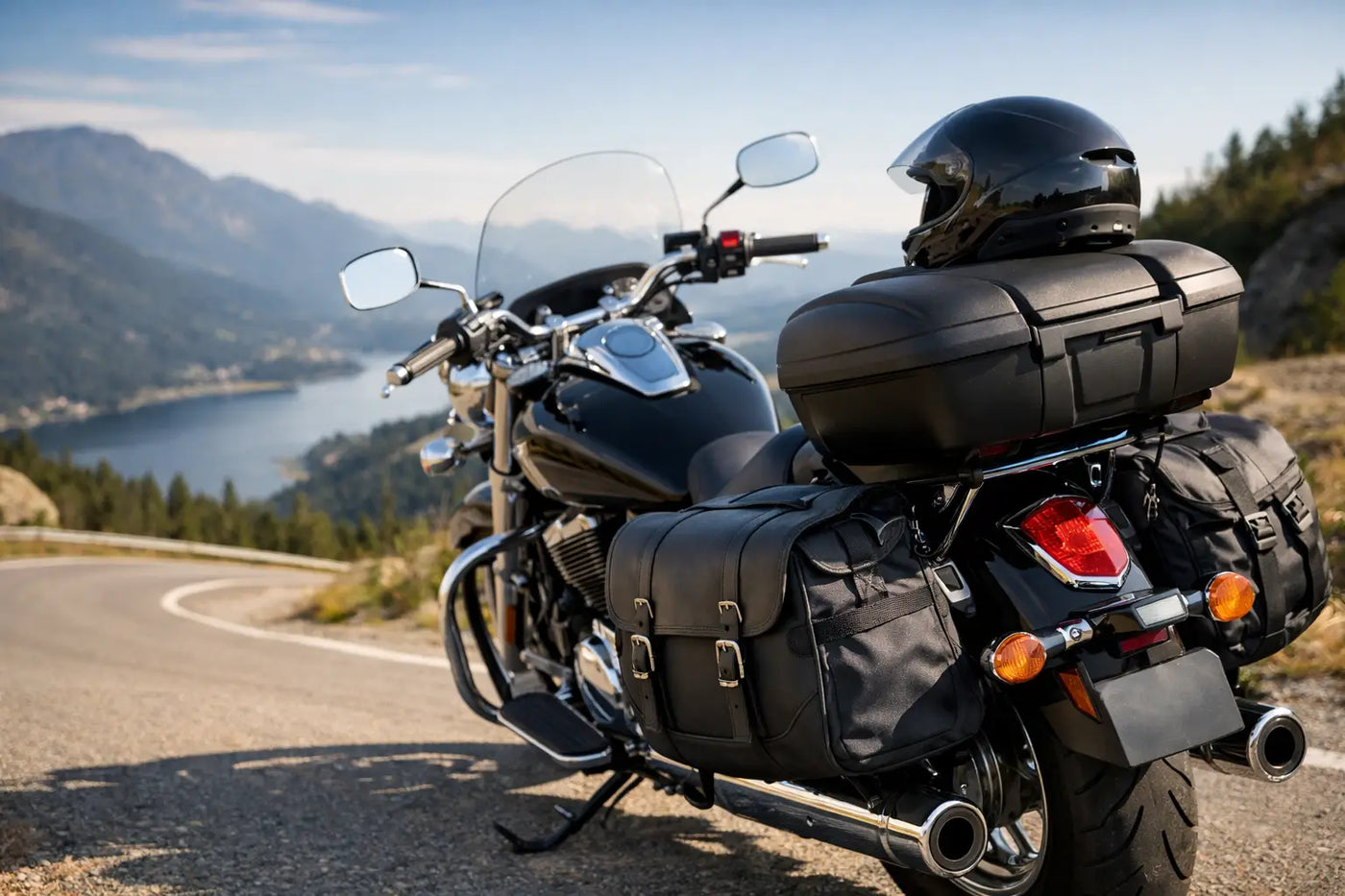
A bad saddlebag setup will ruin a long ride faster than a stiff crosswind. If your gear shifts every mile, your rain layer gets soaked, or the bag starts sagging toward the pipes, you are not thinking about the road anymore. You are thinking about stopping, adjusting, and wondering why you did not buy better luggage in the first place.
That is why choosing the best motorcycle saddlebags for long rides is not about looks alone. Capacity matters. Mounting matters. Weather protection matters. And if you ride a cruiser, bagger, touring bike, or stripped-down bobber, the right pick depends on how far you go and how much gear you refuse to leave behind.
What actually makes a saddlebag good for long rides?
For day trips, almost any decent bag can get by. For multi-day miles, the standards get tougher. You need a bag that stays planted at speed, keeps its shape when packed, and does not turn into dead weight every time you stop for gas.
The first thing to look at is structure. A floppy bag may be cheaper, but it can sag, rub, and lose usable space once loaded. A more rigid design keeps packing simple and helps the bag hold steady over rough pavement. Hard bags usually win here, but reinforced throw-over and semi-rigid leather bags can still be strong choices if the fit is right.
Weather protection is the next dealbreaker. If you ride long enough, you will hit rain. Some saddlebags come truly weather resistant with sealed lids, hard shells, and tight closures. Others can handle light mist but need rain covers or dry bags inside. If you tour through changing conditions, do not gamble on “water resistant” marketing alone.
Then there is access. Top-loading bags are usually easier on the road than narrow side-opening designs that dump your gear at the worst possible moment. External pockets can help, but too many compartments can also create weak points, extra bulk, and more places for water to work its way in.
Best motorcycle saddlebags for long rides by type
The smartest buy starts with the style of saddlebag that matches your bike and your riding habits. There is no one-size-fits-all winner.
1. Hard saddlebags for riders who want maximum protection
If you log serious highway miles, hard saddlebags are often the strongest choice. They hold shape under load, protect your gear better than soft bags, and usually offer the best resistance against rain, road grime, and casual theft.
These work especially well on touring bikes, baggers, and larger cruisers with proper mounting support. The downside is weight, cost, and less flexibility. Hard bags are not ideal if you switch bikes often or want something easy to remove and carry into a motel. But if your priority is stability and protection, hard bags earn their place.
2. Throw-over saddlebags for riders who want flexibility
Throw-over bags are still a solid option for long rides if you choose a quality set. They are easier on the wallet, easier to install, and easier to move from one bike to another. For riders on cruisers, standards, and some smaller touring setups, they offer real value.
The catch is fitment. Cheap throw-over bags can drift, sag, or interfere with suspension and exhaust if they are not supported correctly. For long-distance use, look for reinforced panels, strong yokes, heat protection, and secure tie-down points. A bargain bag that needs constant babysitting is no bargain on a 500-mile day.
3. Quick-release saddlebags for riders who want convenience
Quick-release systems hit a sweet spot for a lot of riders. You get a cleaner mount than basic throw-overs and easier removal than many permanent hard bag setups. That matters when you want to unload fast, clean the bike, or switch from travel mode to stripped-down weekend mode.
These are especially appealing if you ride a cruiser and care about keeping the bike looking sharp when the bags come off. Just make sure the release hardware is sturdy and bike-specific. A bad mounting system will show its weakness fast on broken pavement.
4. Leather saddlebags for classic biker style
Leather still owns the look. On the right bike, a solid leather saddlebag setup looks mean, timeless, and road-ready. For a lot of riders, that matters. Your gear should work hard, but it should also match the machine.
For long rides, though, leather quality makes all the difference. Premium leather or reinforced synthetic leather with weather treatment can perform well. Thin, decorative leather bags often do not. If style is driving the purchase, make sure durability is riding shotgun.
The 9 best saddlebag picks to consider
Viking hard saddlebags
Viking has built a strong reputation with cruiser and touring riders for a reason. Their hard bags are usually bike-specific, structured, and geared toward riders who want a clean fit without guessing. Many models offer solid weather resistance, lockable storage, and enough space for real travel gear.
Saddlemen Drifter saddlebags
These are a favorite for riders who want that traditional leather bag look without giving up all-weather practicality. They usually balance classic styling with reinforced construction, and they tend to hold up better than bargain leather-style options.
Willie & Max saddlebags
Willie & Max is a dependable choice if you want soft bags with proven road manners. Their better touring-oriented models give you usable capacity and a traditional cruiser look. They are not always as weather-tight as hard bags, but they bring solid value.
Kuryakyn XKursion saddlebags
If you lean toward a more modern, utility-first setup, XKursion bags are worth a look. They focus on function, decent organization, and flexible mounting. For riders who care more about packing efficiency than old-school styling, they make sense.
Nelson-Rigg Route 1 saddlebags
Nelson-Rigg has long been known for practical touring luggage, and the Route 1 line fits that reputation. These bags are built for riders who expect weather exposure and need something that can take miles without fuss. Good choice for value-minded touring riders.
Cortech Super 2.0 saddlebags
These are more sport-touring friendly but can still work for riders who want light, removable luggage for longer trips. They are not the classic cruiser saddlebag, but if your bike and riding style are more performance-focused, they deserve a spot on the list.
Thrashin Supply Escape saddlebags
For performance bagger and club-style riders, Thrashin Supply has become a strong name. The Escape bag setup leans harder into aggressive styling and practical use than old-school decorative leather bags. Good for riders who want rugged gear with attitude.
Leatherworks saddlebags
Leatherworks is a solid pick for premium leather touring setups. These bags are not the cheapest option, but they are aimed at riders who want serious build quality and classic style that can survive real miles.
Milwaukee Leather saddlebags
Milwaukee Leather offers broad appeal because the brand covers multiple price points and styles. Some models are entry-level, others are more touring-ready, so you need to shop carefully. Still, for riders hunting a leather look at a more accessible price, they are worth considering.
How to choose the right size without overloading your bike
Bigger is not always better. Large saddlebags can carry more, but they also add weight, change the bike’s profile, and can make access awkward if they crowd passenger space or interfere with your leg swing.
For weekend rides, around 20 to 30 liters total may be enough if you pack light. For multi-day trips, many riders want 30 to 50 liters or more, especially if they are carrying layers, tools, chargers, water, and rain gear. If you camp, capacity needs jump fast.
Pay attention to where the weight sits. Heavy items should stay low and balanced from side to side. Even the best motorcycle saddlebags for long rides will feel awful if one side is crammed with tools and the other is stuffed with hoodies and snacks.
Fitment mistakes that cause trouble on the road
The biggest mistake is buying for appearance before checking clearance. Saddlebags that sit too low can hit exhaust pipes. Bags that sit too far inward can rub shocks, swingarms, or axle hardware. Bags that lack support can sag once loaded, even if they looked fine empty in the garage.
Mounting hardware matters just as much as the bag itself. If your bike needs support brackets, install them. If heat shields are recommended, use them. If the bags need extra tie-down points to stop movement, do not skip that step because the product photos looked clean.
This is also where bike type matters. A full dresser can handle luggage that would overwhelm a smaller cruiser. A rigid-looking bag that works great on a Road Glide may look right at home there but feel bulky and out of place on a slimmer Softail or Shadow.
What long-distance riders should prioritize first
If you are stuck choosing between style, price, and performance, put performance first. Long rides expose weak gear fast. Cheap buckles crack. Thin walls collapse. Bad zippers leak. Weak mounting systems start shifting when the road gets rough or the speed climbs.
That does not mean you need the most expensive setup on the market. It means you should buy for how you actually ride. If you chase weekend miles in good weather, reinforced soft bags may be enough. If you cross states, ride in all conditions, or carry expensive gear, hard bags or premium touring bags are usually the smarter buy.
At American Legend Rider, that same rule applies across motorcycle gear - buy what can handle the road, not just what looks good standing still.
The right saddlebag should disappear once the ride starts. Pack it, latch it, point the bike at the horizon, and let the miles do what they do.

No comments yet. Be the first rider to weigh in.