
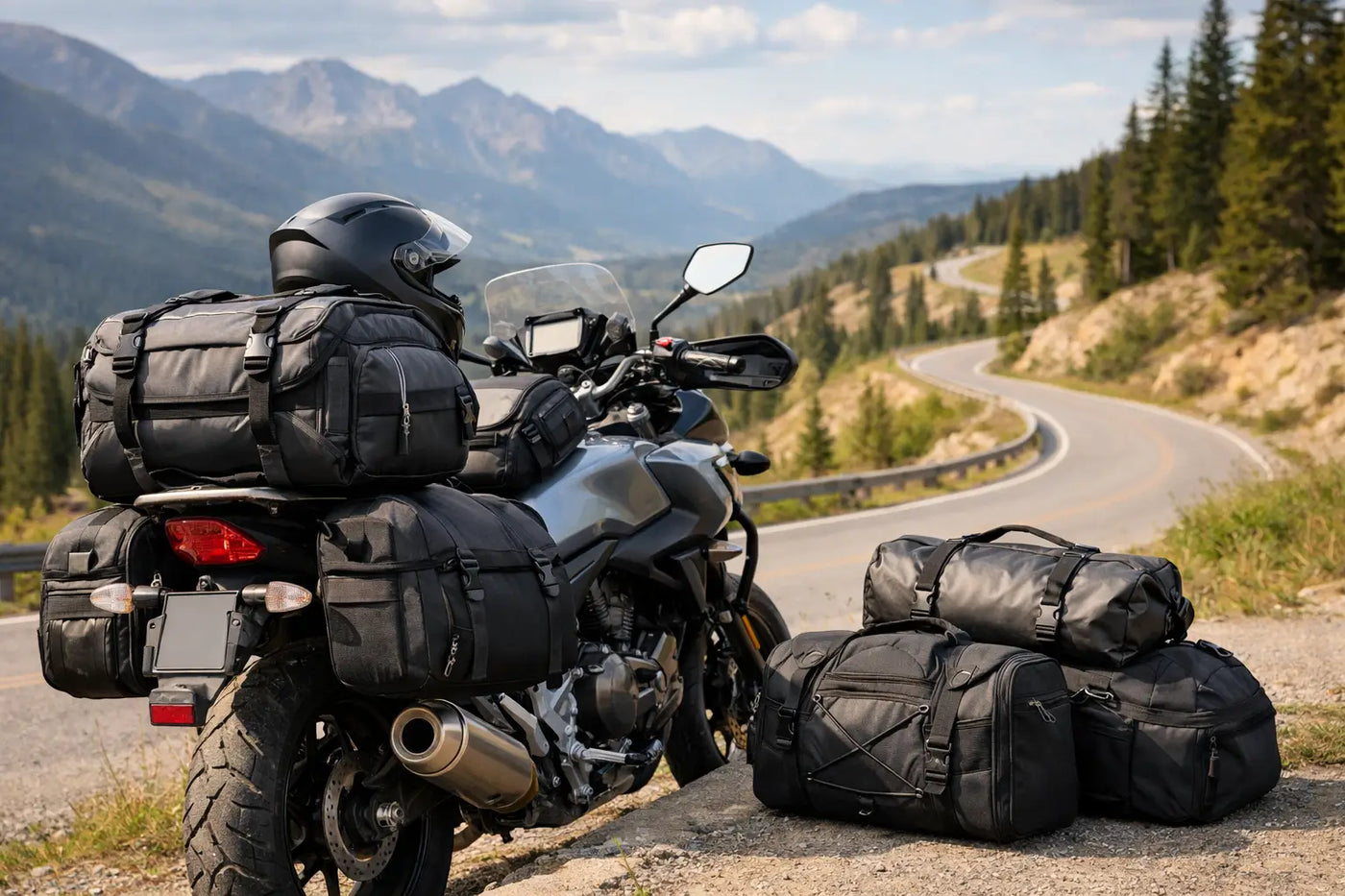
A bag that shifts at 70 mph, leaks in a hard rain, or forces you to unpack half your gear to grab one tool is a lousy bag, no matter how good it looked online. The best motorcycle travel bags earn their spot on your bike by doing three things right: staying planted, keeping your gear protected, and fitting the way you actually ride.
That means the right bag for a stripped-down cruiser is not always the right bag for a fully dressed touring machine. A rider knocking out weekend miles needs something different than a commuter carrying a laptop, rain layer, and lunch. If you want to buy once and ride hard, start with function first and style second. The good news is you do not have to sacrifice either.
What makes the best motorcycle travel bags worth buying
Durability comes first. Motorcycle bags live in the wind, sun, road grime, vibration, and bad weather. Cheap stitching, weak zippers, and thin material show their flaws fast. Look for heavy textile construction, reinforced panels, weather-resistant coatings, and hardware that does not feel like it belongs on a gym bag.
Mounting matters just as much. A bag can have all the storage in the world, but if it bounces, sags, or rubs against hot exhaust, it becomes a problem. Solid strap systems, quick-release buckles, MOLLE-style tie-down points, and shape retention all help. Hard-mounted setups usually feel more secure for long-haul riders, while strap-on designs give you more flexibility if you swap bikes or ride light part of the time.
Capacity is where riders often get it wrong. Bigger is not always better. An oversized bag on a smaller bike can throw off the look, catch more wind, and tempt you to overpack. On the other hand, a compact bag that cannot fit your basics becomes dead weight. The sweet spot depends on your trip length, your bike layout, and how organized you are.
Best motorcycle travel bags by bag type
Saddlebags for balanced storage
Saddlebags are the go-to move for riders who want balanced weight and serious carrying room. They work especially well on cruisers, baggers, and touring bikes, but there are compact versions that fit smaller setups too. If you pack clothes, tools, gloves, and wet-weather gear, saddlebags usually make the most sense.
Throw-over saddlebags are easy to install and usually cost less. They are a strong pick for riders who want flexibility or do not want permanent hardware on the bike. The trade-off is that they can shift if they are not strapped down right, and some need extra support brackets to keep them away from the wheel or exhaust.
Hard saddlebags or semi-rigid styles bring more security and shape retention. They are better for long-distance travel and cleaner for everyday use because your gear stays organized instead of sagging into a soft shell. The downside is price and fitment. Not every bike takes them without extra setup.
Tail bags for weekend runs
Tail bags are one of the smartest options if you want storage without changing the whole profile of your bike. They strap to a sissy bar, luggage rack, or rear seat, and they work well for weekend trips, overnighters, or riders who only carry gear when they need it.
A good tail bag should open wide, hold its shape, and cinch down tight when it is not full. Expandable models give you some extra room without forcing you to ride with a giant bag all the time. This is a strong setup for riders who pack light and want one bag they can remove fast at the hotel, campsite, or garage.
Tank bags for quick access
Tank bags shine when you need your essentials close. Phone, wallet, charger, sunglasses, toll pass, maps, snacks, and a compact tool kit all fit well here. They are not your main luggage for a cross-country run, but they save a lot of hassle because you are not digging through bigger bags every time you stop.
Magnetic tank bags are fast and convenient, but they only work on metal tanks and can scuff paint if grit gets trapped underneath. Strap-mounted options take more effort up front, but they tend to be more secure and work on a wider range of bikes. If you ride aggressively or hit rough pavement often, secure mounting beats convenience.
Dry bags and travel duffels for bad weather
If rain is part of the plan, dry bags deserve serious attention. A true waterproof duffel or roll-top travel bag is one of the most practical tools a rider can own. Strap it across the rear seat or rack, and you have simple, weatherproof storage that does not care what the forecast says.
Dry bags are especially good for riders who switch between bikes or mix motorcycle trips with camping. They are easy to carry, easy to strap down, and usually tough as hell. The main drawback is organization. Most are basically one big compartment, so packing cubes or smaller pouches help keep things under control.
How to choose the best motorcycle travel bags for your ride
Start with your bike. A low-slung cruiser with short shocks and exposed exhaust needs a different bag shape than an ADV bike or a touring rig with factory mounts. Clearance is not optional. If a bag sits too close to pipes, the swingarm, or the rear wheel, it is not the right bag no matter how good the deal looks.
Then think about your riding pattern. For daily use, smaller and faster usually wins. A compact saddlebag or tail bag can handle your basics without turning every commute into a packing exercise. For multi-day travel, access and weather protection become more important than sleek looks. That is where larger saddlebags, structured tail bags, or waterproof duffels pull their weight.
Your packing style matters too. Some riders want one big bag and do not care if they have to unpack a few things to get to the bottom. Others want compartments for every item. Neither is wrong, but it changes what you should buy. If you hate digging around for gloves or chargers, lean toward bags with multiple pockets, zip panels, and separated storage.
Features that actually matter on the road
Weather resistance is not the same as waterproofing. A water-resistant textile bag can handle light rain and road spray, but it may still let water in during a long storm. If you ride through real weather, look for waterproof liners, rain covers, or fully waterproof construction.
Lockability is another feature riders overlook until they are on the road. Soft bags are convenient, but they are not as secure when the bike is parked. If you carry valuables, either keep them in a removable bag or choose luggage with lock-compatible zippers and hard-shell protection.
Reflective details are worth having, especially if you ride at night or in bad weather. They are not flashy, but they add visibility where it counts. Reinforced grab handles, glove-friendly zipper pulls, and heat-resistant bottom panels are also signs a bag was built for riders, not just repackaged for the motorcycle market.
Common mistakes riders make
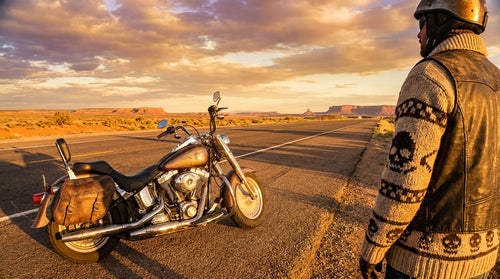
The biggest mistake is buying for looks alone. A skull-stamped bag with attitude is great, but not if it flaps, leaks, or melts against the pipe. Road-ready always beats shelf-ready.
The second mistake is ignoring fitment. Universal bags can work, but universal does not mean perfect. Measure your bike, check your mounting points, and think through passenger space, backrest clearance, and exhaust placement before you buy.
The third mistake is overloading soft luggage. Just because a bag can physically hold the gear does not mean it should. Too much weight stresses straps, shifts your balance, and wears out the bag faster. Pack smarter, not heavier.
So which bag style is best?
If you want all-around touring utility, saddlebags usually take the win. If you want flexible storage for short trips, tail bags are hard to beat. If your goal is grab-and-go convenience, a tank bag earns its keep every ride. And if weather is the enemy, a waterproof duffel belongs in the fight.
There is no one-size-fits-all answer, and that is the point. The best setup matches your bike, your miles, and your habits. Riders who want gear that looks right and works hard usually end up building a system, not relying on one bag to do everything.
At American Legend Rider, that is the mindset that makes sense - buy for the road you actually ride, not the fantasy setup you might use once a year. Choose bags that stay tight, carry clean, and take a beating without quitting. When your luggage works the way it should, the ride gets simpler, and that is exactly how it ought to be.

No comments yet. Be the first rider to weigh in.