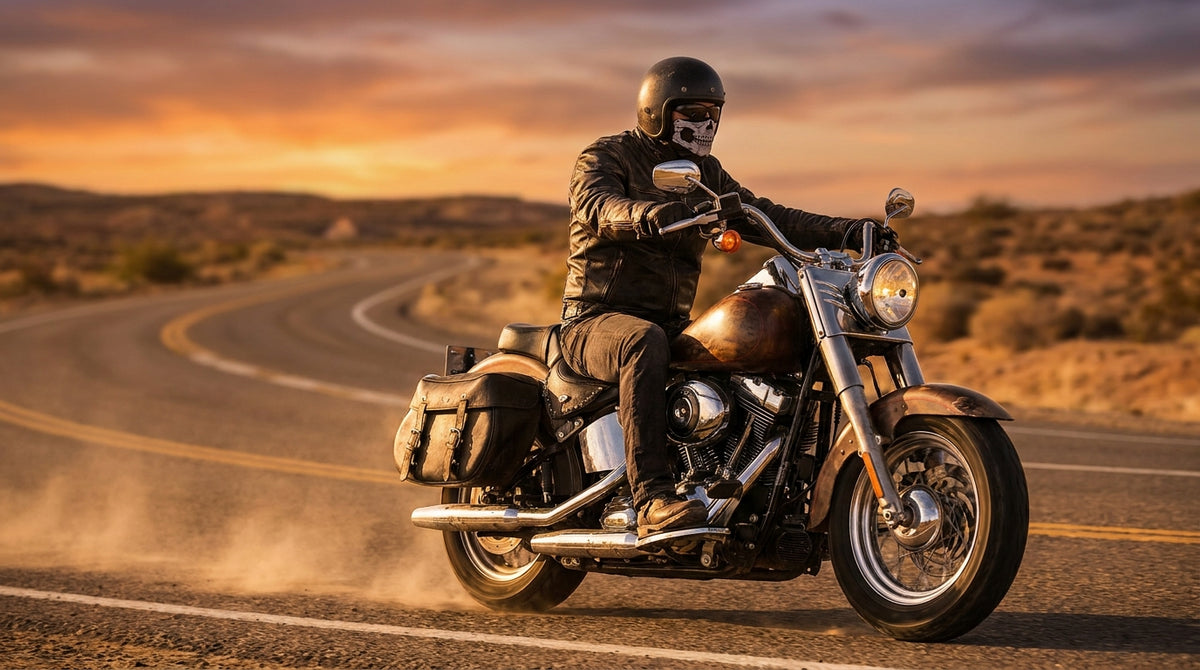
A rock chip hits your chin at 60 mph and suddenly that open-face helmet feels like a poor decision. Or maybe it is 38 degrees on a January ride and every breath through the wind turns your face numb before the first gas stop. A skull face mask fixes both problems, and it looks good doing it.
This guide covers the main types of skull face masks riders actually use, what materials hold up at highway speed, and which style works best for your kind of riding. Every recommendation here comes from real product specs and rider feedback, not guesswork.
Why Riders Choose Skull Face Masks (It Is Not Just About Looking Cool)
The skull design is the most popular face mask style in biker culture, and there is a practical reason behind it. A good motorcycle skull face mask blocks wind, road debris, and UV exposure while giving you a look that fits the riding lifestyle. But picking the wrong one means fogged-up glasses, a mask that slips at speed, or fabric that soaks through in the first rain.
The three jobs a skull face mask needs to do: block wind at 50+ mph without suffocating you, stay put under a helmet without bunching, and dry fast when you sweat through it. Material matters more than the print. A cheap polyester mask from a random marketplace seller will pill after two washes and stretch out at the ear loops. Neoprene or quality microfiber lasts seasons.
One thing riders underestimate: UV protection. The Skin Cancer Foundation notes that UPF-rated face coverings block over 97% of UV rays. On a 6-hour ride, your nose and cheeks get direct sun exposure the entire time. A skull face mask with UPF 30+ coverage handles that automatically.

Full-Coverage Skull Face Masks for Highway Riding
If you spend most of your time on highways or interstates, a full-coverage skull face mask is the right call. These wrap from the bridge of your nose down to your neck, tucking under your jacket collar to seal out cold air. At 70 mph, wind chill drops the effective temperature by roughly 20 degrees Fahrenheit. Full coverage handles that.
The best full-face skull masks use 1.5mm to 2mm neoprene with a polyester outer shell. Neoprene insulates, blocks wind completely, and dries in about 30 minutes. The Velcro closure at the back lets you adjust tension so the mask does not ride up under your helmet. Look for masks with nose venting, a small mesh panel near the mouth that prevents your breath from fogging your shield. Without that vent, you will be wiping your visor every two minutes in cold weather.
Weight matters here. A quality neoprene skull face mask weighs around 2.5 to 3 ounces. Anything heavier starts pulling down and creating pressure points during long rides. If the mask weighs more than 4 ounces, it is probably overkill for riding and built for paintball or airsoft instead.

Half Skull Face Masks for City and Short Rides
For city commutes, weekend cruises, or warm-weather riding, a half skull face mask is lighter and more breathable. These cover from the nose down to the jaw line, leaving your ears and neck open. Riders wearing half-shell or open-face helmets tend to prefer this style because it does not bunch up under the helmet edge.
Most half skull masks use single-layer microfiber or moisture-wicking polyester. They weigh under 1.5 ounces and fold small enough to fit in a jacket pocket. The tradeoff: less wind protection and zero insulation. Below 50 degrees, you will feel the cold on your neck and ears.
A good half mask has flat-lock stitching at the seams. Regular overlocked seams create a ridge that digs into your skin after 30 minutes under a helmet. Flat-lock sits flush. Also check the ear loops. Elastic loops stretch out after a few months. Masks that tie behind the head or use a continuous tube design hold position better at speed.

Skull Balaclava Masks for Cold-Weather Riding
A skull balaclava covers your entire head, face, and neck in one piece. Riders in northern states or anyone doing late-fall and winter riding need this style. The single-piece design eliminates gaps between your helmet liner and your collar where cold air sneaks in.
The key spec on a skull balaclava is the fabric weight. Lightweight versions (150 gsm fleece) work for 40 to 55 degree rides. Heavyweight versions (200+ gsm) handle below-freezing temperatures. The balaclava-style skull mask also doubles as a helmet liner, reducing helmet odor by absorbing sweat before it hits the padding. That alone saves you from washing your helmet liner every week.
Fit is critical with balaclavas. Too tight and it creates pressure headaches under the helmet. Too loose and the eye opening shifts while you ride, blocking your peripheral vision. Measure your head circumference at the widest point. Most skull balaclavas fit heads from 21 to 24 inches, but check the size chart. A Lycra-blend balaclava has about 15% stretch, while pure fleece has almost none.

Skull Mask Materials Compared
The material decides everything about how a skull face mask performs on the road. Here is a side-by-side breakdown of the four most common options:
| Material | Wind Block | Breathability | Dry Time | Best For |
|---|---|---|---|---|
| Neoprene (1.5-2mm) | Excellent | Low | 30 min | Highway, cold weather |
| Microfiber Polyester | Moderate | High | 15 min | Warm rides, daily commute |
| Fleece (200 gsm) | Good | Low-Medium | 45 min | Winter rides, balaclavas |
| Mesh/Lycra Blend | Low | Excellent | 10 min | Summer, short rides |
Neoprene dominates for serious highway riders because nothing else blocks wind as completely at speed. The downside is breathability. In temperatures above 75 degrees, neoprene traps heat against your face. For summer riding, switch to a mesh-blend skull mask or go with a moisture-wicking polyester tube that you can pull down to your neck at stoplights.
One material to avoid: cotton. Cotton absorbs sweat, stays wet, and gets heavy. It also stretches out permanently. Every cotton skull mask loses its shape within a month of regular use.

How to Wear a Skull Face Mask Under a Helmet
Most fit complaints come from wearing the mask wrong, not from the mask itself. Here is the method that works with both full-face and half-shell helmets:
- Full-face helmet: Pull the mask on first, position the skull design centered on your face, then put the helmet on. Tuck the bottom edge of the mask under your jacket collar. The helmet's chin bar holds everything in place.
- Half-shell or open-face: Put the helmet on first, then pull the mask up from your neck. This prevents the mask from shifting when the helmet pushes down on it. Use a mask with ear loops or ties, not just a tube, so it stays anchored.
- With glasses or goggles: Position the mask below your nose bridge, then put glasses on top of the mask's upper edge. This creates a channel for your breath to escape upward without fogging the lenses.
The number one fix for a mask that keeps slipping: go one size smaller. A skull face mask should fit snug against your skin with slight compression. If you can fit two fingers between the mask and your cheek, it is too loose and will slide down at highway speed.
5 Mistakes Riders Make Buying a Skull Face Mask
1. Choosing looks over material. A mask with an amazing skull print on cheap cotton falls apart after three washes. Check the fabric first, then pick your design. Quality neoprene and microfiber masks come in dozens of skull patterns.
2. Buying a "one size fits all" mask for helmet use. One-size masks are built for general outdoor use, not for fitting under a helmet. They are usually too thick or too bulky. Look for masks specifically designed for motorcycle helmets, with thinner profiles at the temples where helmet padding sits.
3. Ignoring the nose wire. Skull face masks without an adjustable nose wire let air shoot straight up into your eyes. A bendable aluminum nose bridge (the same kind N95 masks use) seals the top edge against your cheek bones and eliminates fogging.
4. Machine-washing neoprene on hot. Neoprene degrades in hot water. Hand wash with cold water and mild soap, or use a cold gentle cycle. Hang dry only. Heat from a dryer warps the neoprene and ruins the fit permanently.
5. Buying from unknown marketplace sellers with no return policy. No-name skull masks from random online listings often use uncertified dyes that bleed in sweat, leaving skull-shaped stains on your face. Stick with established biker gear brands that test their prints and back their products with a real return policy.
Picking the Right Skull Face Mask for Your Riding Style
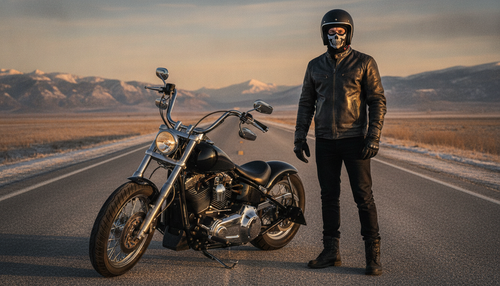
Match the mask to the ride. Highway touring in cool weather? Go with a full neoprene skull mask with Velcro closure and nose venting. Weekend city cruiser in the summer? A lightweight polyester half mask is all you need. Year-round commuter? Own two: a neoprene for cold months and a mesh-blend for summer. That way you are never overdressed or underdressed for the conditions.
The skull look is not going anywhere in biker culture. It is one of the few gear choices that is both functional and unmistakably rider. If you are shopping for one, the Skull Face Mask collection is where I would start. Neoprene, half, and full-coverage options, all tested for real riding.


No comments yet. Be the first rider to weigh in.