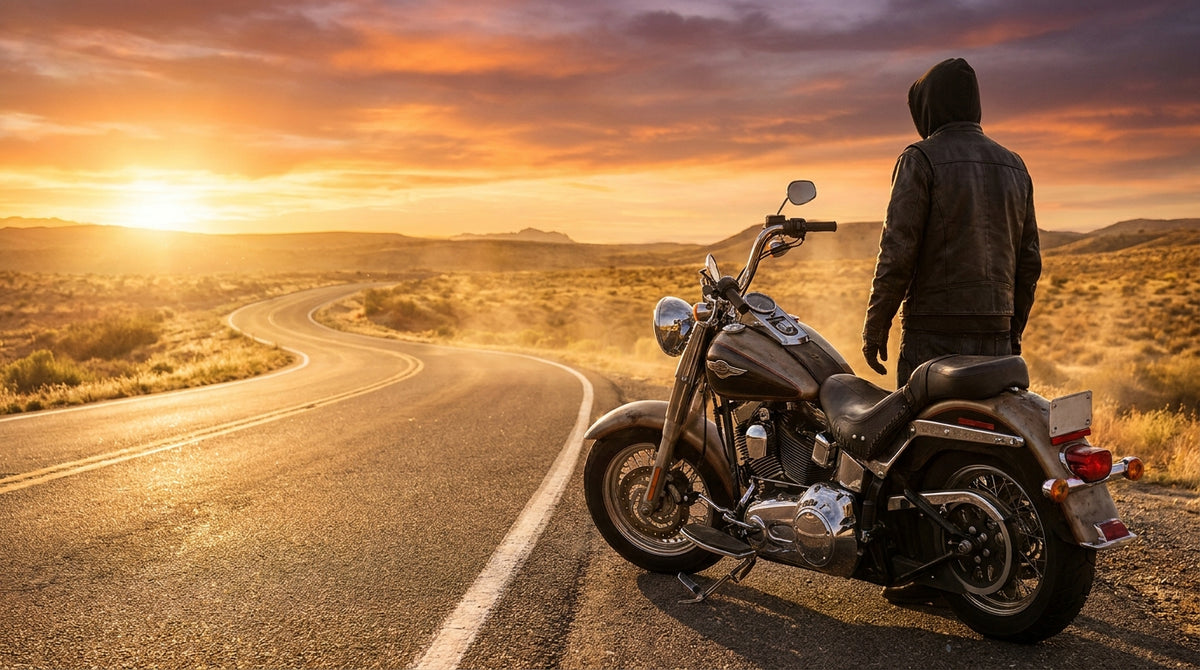
A Saturday morning group ride through mountain roads in early November. The temperature at the meet-up spot reads 52 degrees Fahrenheit. Half the group shows up in leather jackets over bare t-shirts. By the third switchback, they are clenching the grips with stiff, cold fingers while their core temperature drops with every gust. The other half layered a biker hoodie under their riding jacket and barely noticed the chill. That one piece of clothing made the difference between a great ride and a miserable one.
This guide covers the specific fabrics, styles, and fits that separate biker hoodies built for real riders from the cheap novelty pullovers that shrink two sizes after a single wash. You will learn which materials hold up to highway-speed wind, how to size your hoodie for proper layering under a motorcycle jacket, and which graphic styles have earned a permanent spot in biker wardrobes. Whether you ride a cruiser or a sport bike, a good hoodie belongs in your gear rotation.
Why Biker Hoodies Earn a Spot in Every Rider's Closet
A leather or textile riding jacket handles abrasion and wind protection. But jackets alone leave a temperature gap. On rides where the mercury sits between 45 and 65 degrees, a mid-layer makes the difference between comfort and cutting a ride short. A biker hoodie fills that role better than most alternatives because it is warm enough to insulate, thin enough to fit under a jacket, and casual enough to wear when you park the bike and walk into a restaurant.
Cotton fleece hoodies in the 10 oz to 12 oz weight range trap a meaningful amount of body heat without the bulk of a dedicated thermal layer. For comparison, a standard cotton t-shirt weighs about 5 to 6 oz and provides almost zero insulation once wind hits your chest at 60 mph. That jump from 6 oz to 10 oz translates to roughly 40% more fabric between you and the cold air.
Hoodies also work as standalone tops for bike nights, meetups, rallies, and bar hangs where a full leather or textile motorcycle jacket feels like overkill. That versatility is why riders who own one good biker hoodie tend to buy two or three more. It is the piece of gear that works everywhere, on and off the bike.
Cotton Fleece vs. French Terry vs. Polyester Blend
Not all hoodie fabrics ride the same. The three main categories each have trade-offs that matter for motorcycle use.
Cotton Fleece (Heavyweight)
This is the classic hoodie fabric: brushed on the inside for a soft, insulating feel. Champion's Reverse Weave line uses a 12 oz cotton fleece with cross-grain construction that resists vertical shrinkage. For biker hoodies, this weight gives you the best warmth-to-bulk ratio under a jacket. The downside is drying time. Cotton fleece absorbs sweat and rain, and a soaked hoodie under a leather jacket becomes a cold, clammy mess on anything longer than a two-hour ride.
French Terry
French terry has loops on the inside instead of a brushed nap. It breathes better than fleece but insulates less. Most French terry hoodies weigh 7 to 9 oz, making them better for summer evenings when you want one light layer after sunset. They dry faster than fleece, which helps if you ride through a quick rain shower. The trade-off: below 50 degrees, French terry alone will not keep you warm under a riding jacket.
Polyester Blend (80/20 or 60/40)
Blending polyester into the cotton adds moisture-wicking and reduces shrinkage. An 80/20 cotton-poly blend in the 9 oz range is what most mid-range biker apparel brands use for their hoodies. It dries roughly twice as fast as 100% cotton, holds its shape better after repeated washes, and costs less than heavyweight all-cotton options. The downside is feel. Pure cotton has a softer hand, and some poly blends develop pilling after 20 or 30 washes.
7 Biker Hoodie Styles Worth Wearing
Biker hoodies come in more varieties than most riders realize. Here are the seven main categories, each with a different vibe and function.
1. Skull Graphic Hoodies
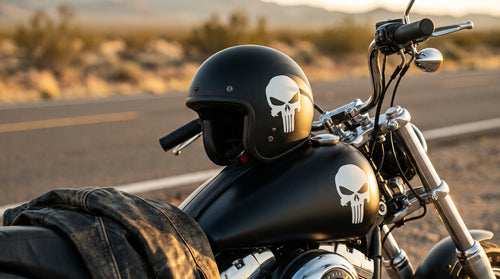
The most popular category in biker hoodies for men. Skull graphics range from photorealistic artwork to simplified line drawings and everything between. The best skull hoodies use discharge printing or direct-to-garment (DTG) methods that bond the ink into the fabric fibers rather than laying a thick plastisol layer on top. Discharge-printed graphics breathe with the fabric and do not crack or peel after repeated washes. If you can feel the graphic sitting on top of the fabric like a sticker, that print will degrade fast.

2. MC Club Style (Plain Black)
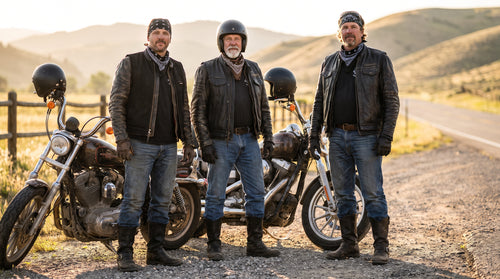
A plain black hoodie might sound boring, but in the motorcycle world it is a deliberate choice. Riders in or around motorcycle clubs wear solid black hoodies because they pair with a club vest without competing with the patches. Even riders not affiliated with a club often prefer the clean, no-logo look. A 12 oz black pullover hoodie in a relaxed fit is about as versatile as riding apparel gets.
3. Funny Biker Hoodies
These range from joke slogans like "I don't snore, I dream I'm a motorcycle" to cartoon biker artwork. They are rally favorites and always get a laugh at a gas stop. Most funny biker hoodies use screen-printed graphics on lighter 7 to 8 oz blanks, which makes them better for casual wear than serious cold-weather riding. If you buy one for laughs at Sturgis, do not expect it to hold up as a daily riding layer.

4. Zip-Up Hoodies
Full-zip biker hoodies layer more easily under a riding jacket because you can open or close the front without pulling the whole thing over your head. A YKK #5 zipper, the same gauge used on most mid-weight jackets, is the minimum you want. Smaller zippers jam, catch fabric, and eventually fail right when you need them. Zip-ups also let you regulate temperature on the fly: zip down at a gas stop, zip up before you hit the highway.
5. Pullover Hoodies
Pullovers offer slightly more wind resistance than zip-ups because there is no zipper seam running down the front. That unbroken front panel blocks wind better at highway speed. The trade-off is convenience. Getting a pullover hoodie on and off over a helmet requires either removing the helmet or wrestling with it. For rides where you layer up before you leave and strip down when you get home, pullovers are the better pick.
6. Armored Biker Hoodies
A growing category: hoodies built with Kevlar-reinforced panels and CE-rated armor pockets at the shoulders, elbows, and back. Speed and Strength makes the "Rust and Redemption" armored hoodie with a DuPont Kevlar lining and removable D3O armor inserts. These cost $120 to $180 but offer legitimate abrasion protection that a regular cotton hoodie cannot match. For commuters who ride short distances in warm weather and do not want a full jacket, an armored hoodie is a real option.

7. Custom and Embroidered Hoodies
Custom biker hoodies with embroidered patches, chapter names, or memorial designs carry personal meaning that printed graphics cannot replicate. Embroidery adds texture and dimension, and it outlasts any print method because the design is stitched into the fabric, not applied on top. The best custom shops use 12-needle commercial machines that can lay down 10,000 or more stitches per design without puckering the fabric.
How to Size Biker Hoodies for Layering Under a Jacket
Sizing a mens biker hoodie for riding is different from sizing one for everyday wear, because layering is the whole point.
Go up one size from your normal hoodie size. If you wear a Large in everyday hoodies, order an XL for riding. That extra room accounts for the hoodie compressing under your jacket and gives your arms enough length to reach the handlebars without the sleeves riding up to your forearms.
Sleeve length matters more than chest size. On a motorcycle, your arms extend forward to the grips, which pulls the back of the hoodie and shortens the sleeves by 2 to 3 inches compared to standing upright. Most biker hoodies for men list a 34 to 35 inch sleeve in size Large. You want at least 36 inches if you plan to wear it on the bike.
The hood itself is a consideration. Under a full-face helmet, a bulky hood bunches at the back of your neck and can interfere with head checks. Look for hoodies with a slim, low-profile hood or wear the hood flat against your upper back. Some riders tuck the hood inside the collar of their jacket to keep it completely out of the way. A hood that sits flat matters more than one that looks dramatic standing up.
Biker Hoodie Fabrics Compared
| Fabric | Weight | Warmth | Dry Speed | Durability | Best For |
|---|---|---|---|---|---|
| Cotton Fleece | 10 to 12 oz | Excellent | Slow | Good | Cold rides, layering |
| French Terry | 7 to 9 oz | Moderate | Fast | Good | Summer evenings |
| 80/20 Cotton-Poly | 8 to 10 oz | Good | Moderate | Very Good | Daily riding |
| 100% Polyester | 6 to 8 oz | Low | Very Fast | Moderate | Athletic base layer |
| Kevlar-Lined | 14 to 16 oz | Excellent | Slow | Excellent | Commuting, protection |
For most riders, the 80/20 cotton-poly blend hits the sweet spot. It handles sweat better than pure cotton, holds its shape longer, and costs less than Kevlar options. Pure cotton fleece is the better choice when warmth is the priority and you have a waterproof jacket over it to manage moisture.
5 Mistakes Riders Make Buying Biker Hoodies
1. Buying the cheapest graphic hoodie at a rally. Rally vendor hoodies are typically printed on 6 oz Gildan or similar blanks designed for single-use promo giveaways. The stitching around the kangaroo pocket pulls apart within a few months, and the graphic cracks after 5 to 10 washes. You will spend $25 three times instead of spending $45 once on something that lasts.
2. Ignoring the zipper quality on zip-ups. A weak zipper on a riding hoodie is more than an annoyance. If it fails while you are layered under a jacket at highway speed, the front panels flap open and the hoodie bunches up around your torso, restricting arm movement. Look for YKK or SBS zippers and test the pull before you buy.
3. Wearing a hoodie as crash protection. A standard cotton hoodie provides zero abrasion resistance. Cotton disintegrates on contact with asphalt. If you want a hoodie that protects in a slide, you need one with Kevlar or aramid fiber panels. Do not let the tough-looking skull graphic fool you into thinking a regular hoodie will save your skin.
4. Machine drying graphic hoodies on high heat. High heat is the number one killer of hoodie graphics. Screen prints crack, DTG prints fade, and the hoodie itself shrinks unevenly. Dry your biker hoodies on low heat or hang them to air dry. The print will last 3 to 4 times longer with that one change.
5. Buying too tight for layering. A hoodie that fits perfectly on its own will feel restrictive under a jacket. It rides up, the sleeves are too short in riding position, and the chest feels compressed against the jacket lining. Always try it on under the jacket you will actually ride in, not just standing in front of a mirror.
Finding a Biker Hoodie That Goes the Distance
The right hoodie depends on when and how you ride. Cold-weather cruiser riders do best with a 12 oz cotton fleece pullover that traps heat under a leather jacket. Commuters and daily riders benefit from an 80/20 blend zip-up that dries fast and layers easily. Riders who want actual crash protection should look at armored options with Kevlar panels and CE-rated inserts.
Graphics are personal, but quality is not optional. Whatever style you choose, check the fabric weight, zipper brand, and print method before you hand over your money. A hoodie that falls apart after one season is not a deal at any price.
If you are putting together a riding wardrobe, the biker shirts and apparel collection has pieces built for riders who actually put miles on. Pair a solid hoodie with the right biker shirt underneath and you are set for any temperature the road throws at you.
No comments yet. Be the first rider to weigh in.