
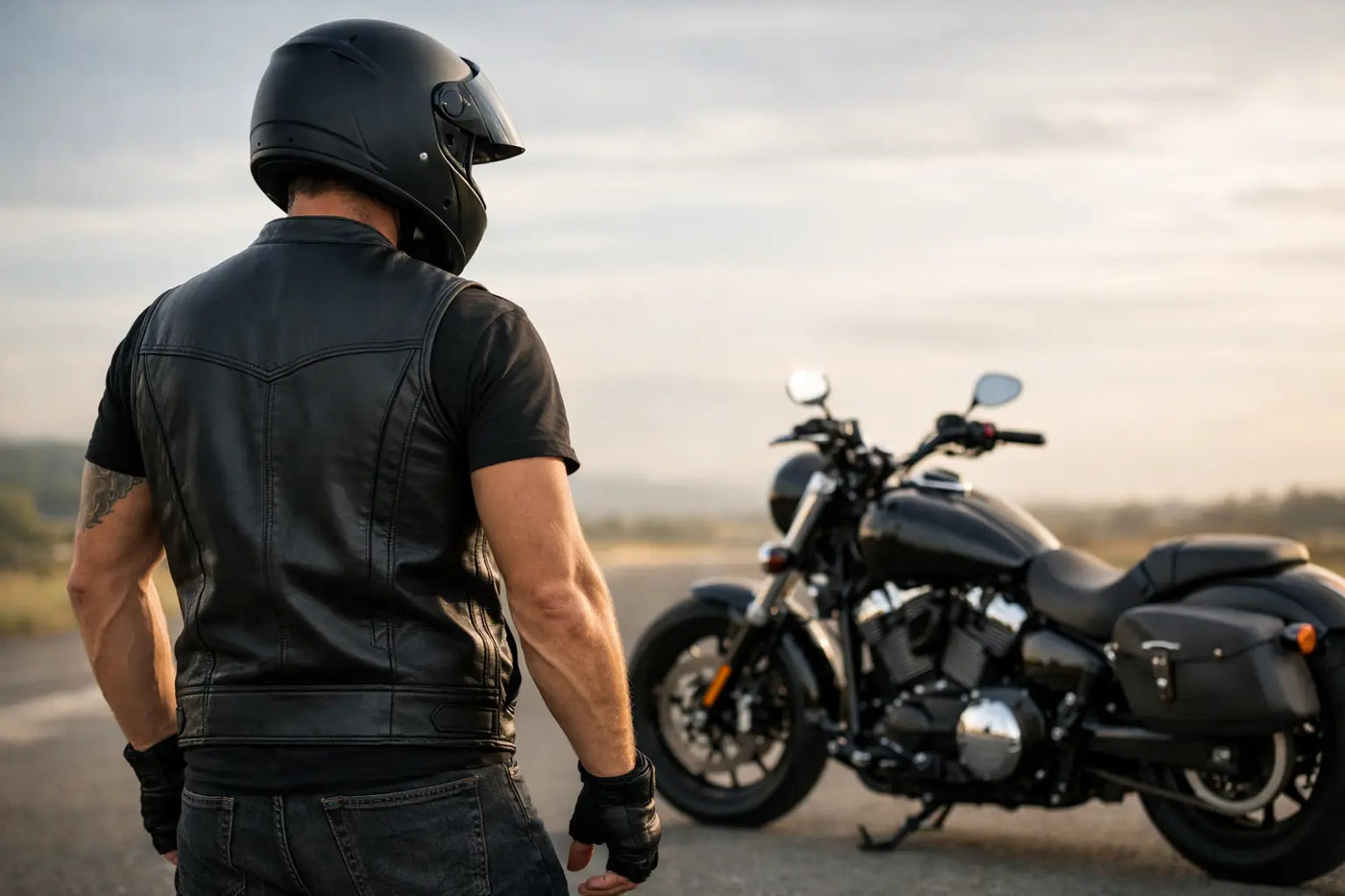
A good vest tells people what kind of rider you are before you even kill the engine. The best biker vests do more than complete the look - they carry your patches, hold your essentials, layer over a hoodie or cut through summer heat, and stay comfortable when the miles start stacking up. If you ride often, you already know this isn’t some throw-on extra. It’s a core piece of gear and a big part of your road identity.
Why biker vests still matter
A vest has a job to do, and that job changes depending on how you ride. For some riders, it’s about club colors, patches, and presence. For others, it’s about lightweight coverage without the bulk of a full jacket. If you’re riding in warm weather, a vest can give you freedom through the shoulders and arms while still adding storage and a tougher outer layer.
That said, a vest is not a replacement for every riding jacket. If you want maximum armor and full abrasion coverage, a jacket still wins. But that doesn’t make the vest less useful. It makes it specific. On a cruiser, around town, at rallies, on summer runs, and for riders who want flexible layering, a vest earns its place fast.
Leather biker vests vs textile biker vests
This is where most riders start, and it should be. Material changes the whole experience - how it feels, how it wears, how it breaks in, and how it holds up after season after season.
Leather biker vests
Leather is the classic for a reason. It looks right, ages well, blocks some wind, and carries a heavier, more grounded feel on the bike. A solid leather vest can last for years if you take care of it, and it tends to get better looking as it breaks in. For riders chasing that old-school American road look, leather is still the standard.
The trade-off is weight and heat. In the dead of summer, thick leather can feel like a lot, especially off the bike. It also needs more care than textile if you want to keep it from drying out or cracking.
Textile biker vests
Textile gives you a lighter, easier-wearing option. It often breathes better, dries faster, and usually costs less than premium leather. If you ride in hot climates, want something more casual, or need a vest that feels less stiff right out of the bag, textile makes sense.
The trade-off is that it usually doesn’t carry the same heavy-duty feel or long-term patina as leather. Some riders also just prefer the way leather holds patches and keeps its structure over time. It depends on whether your priority is comfort, look, or all-around value.
What makes a biker vest worth buying
Not every vest that looks tough is built for the road. Some are made to wear. Some are made to ride. You want the second kind.
Start with fit. A vest should sit close enough that it doesn’t flap like crazy at speed, but not so tight that it binds when you reach for the bars. That means checking how it fits over a T-shirt and over a hoodie if you layer. Riders who only shop by chest size often get burned here. The cut matters just as much as the number on the tag.
Closures matter too. Snaps give you that classic biker look and easy on-off access. Hidden zippers behind snaps add more security and cut down on wind push while keeping the outside clean. If you ride regularly, that extra structure is worth paying for.
Pockets are another make-or-break detail. A vest should carry what you actually need, not just look like it can. Interior pockets are great for your phone, wallet, and documents. Exterior pockets should be easy to reach but secure enough that you’re not worrying about losing gear on the highway. If you carry daily, conceal-carry designs are popular for a reason, but the layout needs to be practical, balanced, and comfortable on the bike.
Then there’s the liner. A mesh or breathable liner can make a huge difference in hot weather. A smooth interior also helps the vest slide over layers without bunching up. Cheap liners fail early, so this is one of those details that separates bargain-bin gear from something road-tested.
Choosing biker vests for your style of riding
There’s no single best vest for every rider. There’s only the one that fits how you ride and how you want to show up.
If you ride a cruiser and lean into classic biker style, a black leather vest with clean lines, solid hardware, and room for patches is hard to beat. It gives you the look, the road presence, and the flexibility to make it your own.
If your riding is mostly summer weekends, local runs, and rally season, a lighter vest with breathable panels may be the smarter call. You’ll get more comfort, especially when the bike is parked and the heat starts beating down.
If you ride in changing weather, layering becomes the real issue. A vest that works over flannel, a hoodie, or a long-sleeve thermal gives you more use across the year. In that case, a little extra room is good. Too much room is not.
And if storage is part of the mission, focus less on looks and more on layout. A clean vest with useless pockets gets old fast. A well-built vest with functional interior storage earns its keep every ride.
Patches, club colors, and personal identity
For a lot of riders, the vest is personal before it’s practical. It’s where your patches go, where your story shows up, and where your identity rides with you. That means the back panel matters. If you plan to sew on large patches or club colors, you want enough uninterrupted space and a material that can handle the stitching cleanly.
This is another reason leather remains a favorite. It tends to hold shape better under patch weight and repeated wear. Textile can work too, but some lighter materials don’t support heavy patch setups as well over time.
If you’re buying a vest mainly for customization, think ahead. A lot of riders buy for the look now and regret the panel space later. The cleaner the base, the more freedom you have to build it your way.
Fit mistakes riders make all the time
The most common mistake is buying too tight because it looks sharper on the hanger. On the road, that same vest can pinch across the chest, ride up when seated, or feel wrong over even a thin layer. A vest should move with you, not fight you.
The second mistake is buying too loose for comfort. At speed, extra room becomes flapping, shifting, and distraction. If the armholes are too big or the body is too wide, the vest stops feeling secure.
The third mistake is ignoring length. Too short and it can sit awkwardly when you’re in riding position. Too long and it bunches at the waist or pushes up against the seat. The right fit looks tough standing still and feels right with your hands on the bars.
Price, quality, and where value really shows up
A cheap vest can look decent in photos and disappoint fast in real use. Weak snaps, poor stitching, thin leather, rough liners, and bad pocket placement all show themselves once you start wearing it regularly. That doesn’t mean you need the most expensive option on the page. It means you should know where quality actually matters.
The best value usually sits in the middle - durable material, dependable hardware, clean construction, practical storage, and a fit designed for riders instead of fashion mannequins. That’s the kind of vest you wear for years instead of replacing after one season.
For riders shopping online, product details matter more than hype. Look for material thickness, closure type, number and placement of pockets, lining information, and fit notes. A retailer that knows the culture usually merchandises biker vests by use, style, and rider needs, which makes it easier to find the right one without wasting time.
American Legend Rider understands that split well - some riders want road-ready function, some want hard-edged style, and most want both in the same vest.
The right vest earns its place
A biker vest should feel like part of the ride, not an accessory you talk yourself into wearing. When the fit is right, the storage works, and the style matches your lane, you reach for it without thinking. Buy one that can take the miles, carry your identity, and still look right when the bike is parked.

No comments yet. Be the first rider to weigh in.