
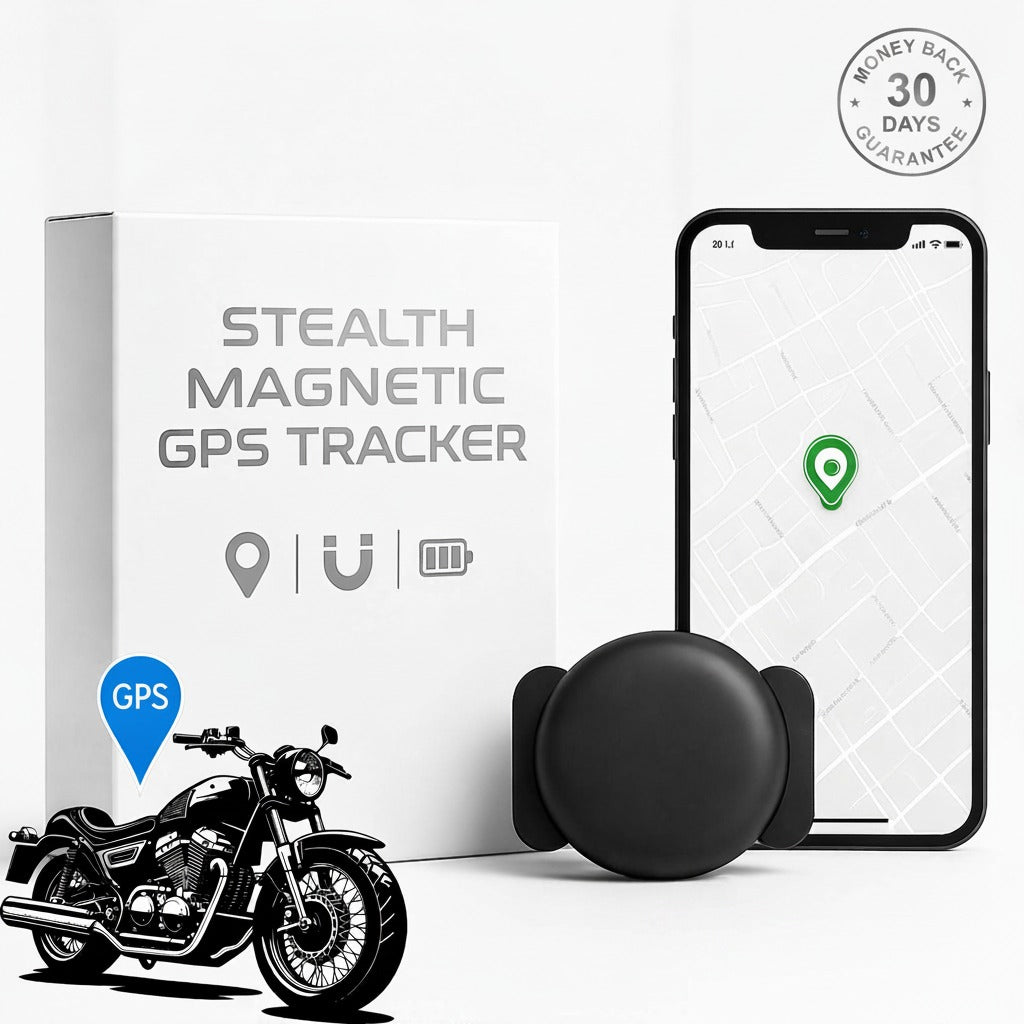
On most cellular GPS trackers, yes — location history is a standard feature, though how much you get varies by brand and plan. Typical apps store anywhere from a few days to a year of movement, shown as a breadcrumb trail or route playback. Some subscription brands gate longer history behind premium tiers, so check before you buy if history matters to you.
Why history is genuinely useful:
- Theft investigations. A trail showing where the bike went — and where it stopped — gives police far more than a single dot. Stops can mean a chop shop, a storage unit, or a buyer’s address.
- Pattern awareness. If your parked bike logs movement you didn’t make, someone touched it. Twice is a scouting visit, and you should change where and how it’s parked.
- Everyday utility. Plenty of riders use trails just to log routes or confirm the bike stayed put while they traveled.
Bluetooth tags are the weak option here too: they don’t record a route, just scattered last-seen points from whichever phones wandered past.
Whatever you run, the recovery playbook is unchanged — the moment something looks wrong, call the police and hand them the live location. A magnetic GPS unit hidden on the frame, one the thief never knows exists, is what keeps that dot on the map at all.




No comments yet. Be the first rider to weigh in.