
Packing for a ride gets real fast when you’re staring at your bike with a jacket, tools, rain layer, gloves, and a couple days’ worth of gear in your hands. That’s where the saddlebags vs tail bags question stops being theoretical and starts affecting comfort, balance, and how hard you want to fight your luggage at every gas stop.
For most riders, there isn’t a universal winner. There’s the right bag for your bike, your load, and the kind of miles you actually put down. If you ride a cruiser cross-state with extra layers and roadside essentials, your answer may be different from the rider doing day trips on a naked bike or a weekend run on a sport machine.
Saddlebags vs Tail Bags: The Core Difference
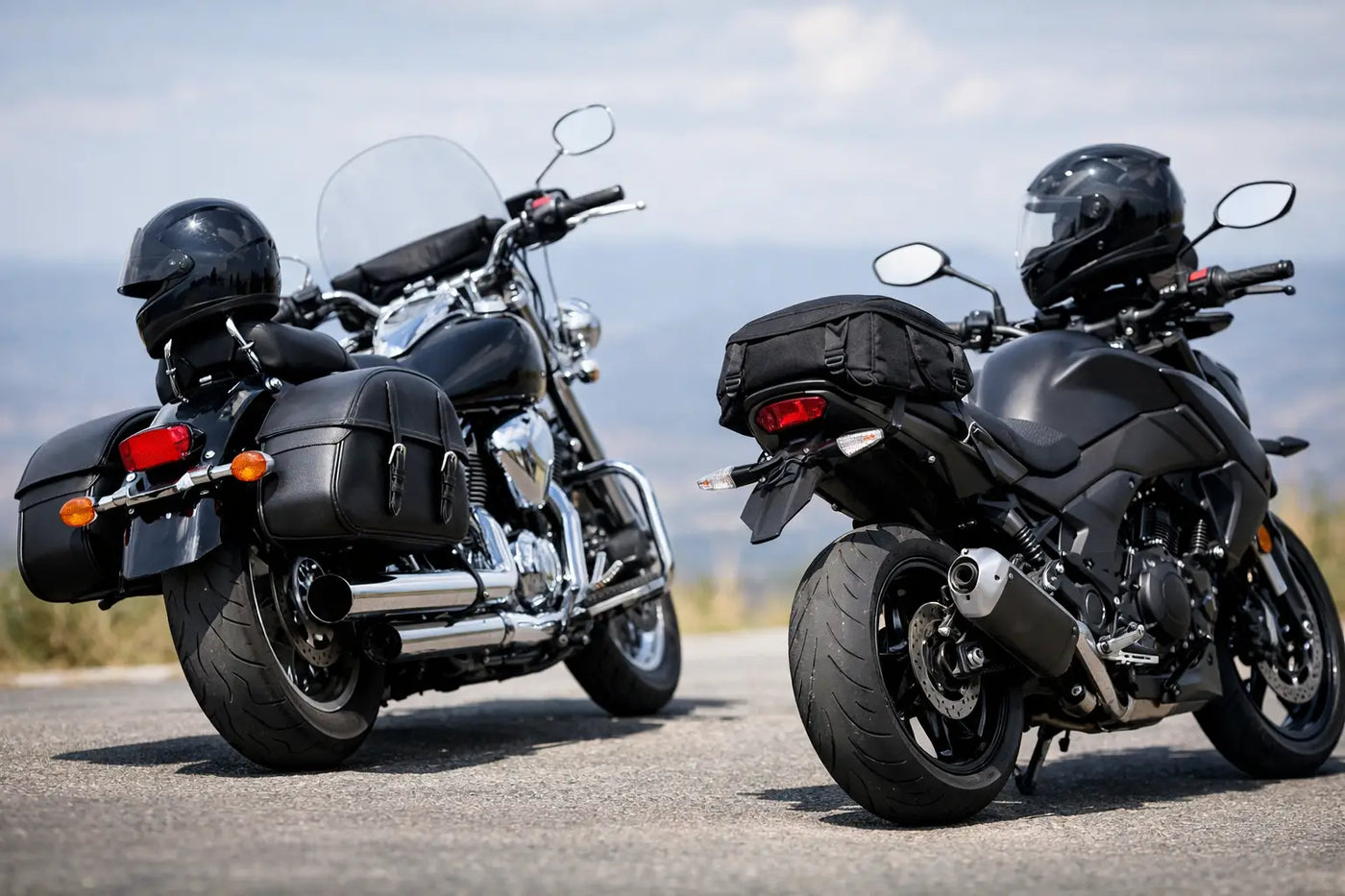
Saddlebags mount on the sides of the rear of the bike, usually draped over or supported beside the fender and rear wheel area. Tail bags sit on the passenger seat or rear rack and keep the load centered behind you.
That simple difference changes almost everything. Saddlebags usually give you more total storage and better side-to-side organization. Tail bags are often easier to mount, easier to remove, and better for riders who want a cleaner setup when they’re not traveling.
If your biggest priority is carrying more gear with less stacking, saddlebags usually win. If your biggest priority is convenience, quick install, and keeping the bike narrow, a tail bag often makes more sense.
When Saddlebags Make More Sense
Saddlebags are the workhorse option. They’re built for riders who carry more than the basics and don’t want all that weight piled on the rear seat. If you travel with tools, extra clothes, cold-weather gear, small purchases, or camping essentials, side storage starts looking smart fast.
A good set of saddlebags also makes packing more organized. You can split your load - rain gear on one side, tools and repair kit on the other, personal stuff up top. That matters on the road because digging through one giant compartment gets old in a hurry.
For cruisers, touring bikes, and many larger standard motorcycles, saddlebags often look more natural too. They fit the bike’s stance and don’t make the rear section look overloaded. For riders who care about style as much as utility, that counts.
There are trade-offs. Saddlebags can widen the bike, which matters in tighter parking spots, filtering situations where legal, or narrow garage space. Soft saddlebags also need proper positioning so they don’t sag into hot exhaust or rub where they shouldn’t. If the fit is wrong, you’ll know it fast.
Best use cases for saddlebags
Saddlebags are usually the better pick for weekend travel, longer day rides, commuting with extra gear, and bikes that can support side-mounted luggage without looking or handling awkwardly. They’re especially useful if you don’t want to sacrifice your passenger seat every time you pack.
They also make sense for riders who like to leave some gear on the bike full time. Gloves, cargo net, basic tools, cover, and a layer for changing weather are easier to live with when there’s a permanent home for them.
When a Tail Bag Is the Better Call
A tail bag is the clean, practical answer for riders who want storage without committing to a full side-luggage setup. It mounts behind you, usually with straps, and works well for short trips, daily use, and riders who don’t need to haul half their garage.
The biggest advantage is simplicity. Most tail bags go on fast, come off fast, and don’t require much thought once you know your strap points. That makes them a strong choice for sport bikes, naked bikes, smaller cruisers, and any motorcycle where saddlebags feel bulky or out of place.
Tail bags also keep the bike slimmer. You’re not adding width on either side, which can make the bike feel easier to manage in traffic and less cumbersome in tight spaces. For solo riders, using the passenger seat area for cargo is often the most efficient use of space.
The downside is capacity. Even larger tail bags have limits, and once you start stacking upward, access gets worse and the load can feel top-heavy if you overdo it. If you need to carry boots, layers, tools, and extra gear for multiple days, a single tail bag can hit its ceiling quickly.
Best use cases for tail bags
Tail bags shine on day rides, overnight trips with light packing, commuting, and minimalist setups. They’re ideal when you want just enough room for the essentials without changing the bike’s overall profile too much.
They’re also a smart choice if you remove your luggage often. A rider who uses storage only on weekends may prefer a bag that unstraps quickly rather than side bags that stay mounted or take longer to fit cleanly.
How They Affect Handling and Balance
This is where the saddlebags vs tail bags decision gets more serious. Storage changes how a motorcycle feels, especially if you pack badly.
Saddlebags can help distribute weight lower and across both sides of the bike. That can feel more stable than piling everything on the tail, especially with heavier items. But the load needs to be balanced. If one side is carrying tools and the other side has a hoodie and snacks, you may notice it.
Tail bags keep the load centered, which sounds ideal, but centered and high are not the same thing as low and stable. A lightly packed tail bag usually feels fine. A heavy, overstuffed tail bag mounted high on the rear can affect how the bike responds, especially during low-speed maneuvers or when the road gets rough.
The rule is simple: heavier gear should stay low, secure, and balanced. That generally favors saddlebags for bigger loads. For lighter loads, a tail bag is usually no problem.
Storage Capacity and Real-World Packing
A lot of riders buy luggage based on what looks good in a product photo, then realize the bag doesn’t match their routine. The better move is to think in terms of what you actually carry.
If your typical load is wallet, phone charger, registration, water, gloves, and a light layer, a tail bag is often enough. If you regularly carry rain gear, an extra hoodie, tire kit, tools, and a change of clothes, saddlebags start earning their keep.
For multi-day trips, saddlebags usually give you more flexibility. You can separate clean clothes from dirty gear, keep quick-access items on one side, and avoid stuffing everything into one compartment. That kind of organization matters when you’re living off the bike for a few days.
On the other hand, if you’re the type who packs light and hates extra bulk, a tail bag can force discipline in a good way. Less room often means less junk.
Bike Style Matters More Than People Admit
Not every bag suits every motorcycle. That’s just the truth.
Cruisers and touring bikes usually pair well with saddlebags because the bike’s frame, proportions, and riding purpose support them. A tail bag can still work, but on bigger bikes it may feel too limited unless it’s part of a larger luggage setup.
Sport bikes and naked bikes often work better with tail bags because they keep the package compact and avoid side clearance issues. Some can run saddlebags just fine, but fitment and heat management become more important.
Smaller bikes sit in the middle. Either option can work, but weight matters more. If your motorcycle is lighter and less forgiving, oversized luggage of any kind can make it feel clumsy.
Security, Weather, and Daily Convenience
Neither saddlebags nor tail bags are automatically perfect here. It depends on build quality, mounting, closure design, and how often you leave the bike unattended.
Some saddlebags offer better structure and a more permanent feel, which can be nice for routine use. Some tail bags are easier to grab and carry with you, which is its own kind of security. If you remove your bag every time you stop, convenience matters as much as lockability.
Weather protection is similar. Some bags hold up well in the rain, others need liners or covers. Don’t assume shape equals waterproofing. Road spray, zipper placement, and material quality matter more than bag type alone.
So Which One Should You Buy?
If you ride longer distances, carry more gear, or want better load distribution, go with saddlebags. They’re the stronger choice for riders who need practical storage that can handle real miles and changing conditions.
If you want a fast, flexible setup for shorter rides, lighter loads, and easy removal, go with a tail bag. It’s a smart move for solo riders, daily riders, and anyone who prefers simple over bulky.
If you’re still stuck, be honest about your last five rides, not your dream trip next summer. Buy for the miles you actually ride. That’s usually the choice that saves money, frustration, and a lot of bad packing decisions.
Riders looking to gear up without wasting cash can check the motorcycle bag selection at American Legend Rider and match the setup to their bike, load, and riding style. The right bag should work hard, stay out of your way, and look like it belongs on the machine.
The best luggage setup isn’t the one with the most storage. It’s the one that makes your ride easier the second the kickstand comes up.

No comments yet. Be the first rider to weigh in.