
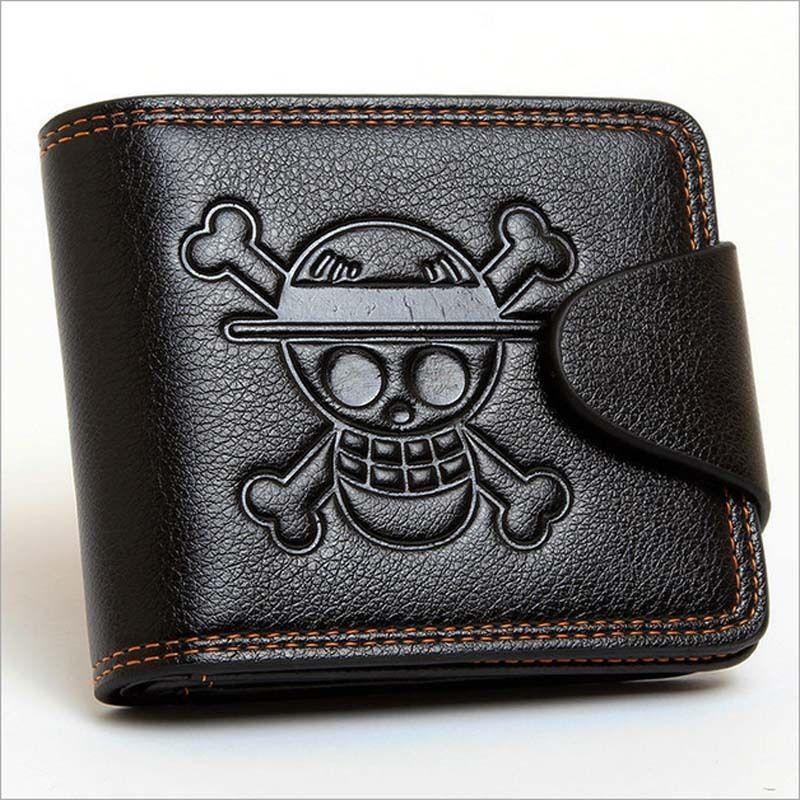
Most riders grab whatever cheap wallet fits their back pocket and call it done. Six months later, the stitching is shot, the "leather" is peeling, and the chain loop tore clean off. A biker wallet deals with things a normal wallet never sees: constant vibration, body heat, rain, and hours of pressure against a saddle. Getting the right one means you buy once instead of replacing it three times in a year.
This guide breaks down every biker wallet style, from chain wallets and long wallets to leather bifolds and trifolds. You will know which leather grade actually holds up on the road, how to match a chain to your carry style, and what separates a wallet that lasts ten years from one that dies before winter.
What Makes a Biker Wallet Different from a Regular Wallet
A biker wallet is built heavier than a dress wallet or a slim cardholder. Standard department-store wallets use 0.5 mm split leather or bonded material. A proper biker wallet uses 1.2 to 1.5 mm full-grain cowhide, double-stitched at the seams with bonded nylon thread rated for 6 lbs of pull strength per stitch.
The difference shows up fast on the road. A wallet riding against your body on a motorcycle takes constant vibration, body heat that can reach 95+ degrees in summer, and moisture from rain or sweat. Thin leather dries out, cracks, and splits within a single riding season. Full-grain leather develops a darker patina and actually gets more flexible with age and use.
Most biker wallets also have a chain loop or D-ring sewn directly into the wallet frame. This is not decoration. At 70 mph, a wallet can vibrate out of a back pocket before you notice it is gone. The chain anchors it to your belt loop or vest snap, so the only way it leaves is if you unclip it yourself.
Every seam, snap, and fold line is built to handle years of daily abuse, not sit in a desk drawer. That is why a solid biker wallet runs $35 to $60 while a department-store wallet costs $20 and needs replacing every season.
Biker Wallet Types: Chain, Long, Bifold, and Trifold
Four main styles cover the riding world. Each fits a different carry preference and riding situation.
Chain Wallets
The classic biker choice. A chain wallet pairs a bifold or trifold with a detachable chain, typically 18 to 24 inches long. The chain clips to a belt loop and keeps the wallet locked in place at speed. A quality chain wallet from a brand like Daniel Smart, made with genuine cowhide, runs about $35 to $55. The chain itself adds 2 to 3 ounces, and most riders forget it is there after the first week.
Long Wallets
Also called trucker wallets or roper wallets. These measure 7 to 8 inches tall and fit in a back pocket or inside a vest. They hold more cards (often 8 to 12 slots), fit a checkbook, and give you room for cash without folding it tight. Touring riders tend to prefer long wallets because the extra space means less fumbling at gas stations and rest stops during a long day on the highway.
Bifold Wallets
The most compact option. A bifold folds once and measures about 4.5 x 3.5 inches closed. It sits flat in a front or back pocket and works best for riders who carry 4 to 6 cards and some cash. If you ride in a fitted jacket and want minimal bulk against your body, a bifold is the practical choice.
Trifold Wallets
Trifolds fold twice and run thicker, but they hold the most. A typical biker trifold has 6 to 9 card slots, an ID window, a coin pocket, and a full-length bill compartment. The trade-off is thickness. A loaded trifold can hit 1 inch thick, which some riders find uncomfortable on long rides. But if you need to carry everything and hate leaving cards at home, a trifold handles the job.
Custom and Handmade Biker Wallets
Some riders want a wallet nobody else carries. Custom leather shops build one-off biker wallets with hand-tooled designs, personalized initials, and hand-sewn saddle stitching. A handmade leather biker wallet from a small workshop typically runs $80 to $150 depending on tooling complexity. The wait is usually 2 to 4 weeks. If you go custom, specify full-grain leather, thread color, snap type, and chain loop placement before the craftsman starts cutting.
Full-Grain Leather vs. Bonded: What Your Biker Wallet Is Actually Made Of
Leather grade is the single biggest factor in how long your wallet lasts. Here is what the labels actually mean.
Full-grain leather is the top layer of the hide with the natural grain fully intact. It is the strongest and most durable grade available. A full-grain cowhide biker wallet, properly cared for, lasts 10 to 15 years of daily use. You can identify it by slight natural markings and a firm feel that softens over time without cracking.
Top-grain leather has been sanded to remove surface imperfections. It is thinner, softer, and more uniform in appearance. Most mid-range biker wallets use top-grain. It holds up for 3 to 5 years of daily riding use, but it will not develop the same rich patina as full-grain.
Bonded leather is ground-up leather scraps glued together with polyurethane and stamped with a fake grain pattern. It looks fine for about 90 days, then starts peeling and cracking at the fold lines. A bonded wallet runs $12 to $18 new. You will replace it at least twice a year. Skip it entirely.
PU (synthetic) leather is plastic coated to look like leather. It has zero breathability, and on a hot ride it traps moisture, gets slippery, and breaks down fast. Some budget wallets label themselves "genuine leather," which sounds premium but is actually one of the lowest grades. It sits below full-grain and top-grain in the leather hierarchy. Do not confuse the label with quality.
If you are already spending real money on leather motorcycle gloves and quality riding boots, pairing them with a bonded wallet makes no sense. Match your leather quality across your gear.
How to Size and Attach a Biker Wallet Chain
A wallet chain does two jobs: keeping your wallet secure at highway speed and adding to your riding look. Getting the length right is the part most riders skip over.
For front-pocket carry, an 18-inch chain usually works. For back-pocket carry, go with 22 to 24 inches. The chain should hang with about 3 to 4 inches of slack when the wallet is seated in your pocket and the clip is on your belt loop. Too tight, and it tugs every time you shift your weight in the saddle. Too loose, and it swings into your exhaust pipe or rear wheel.
Chain gauge matters too. A lightweight chain with 3 to 5 mm links handles daily commuting and keeps the weight low. A heavy-duty chain with 8 mm or thicker links makes more of a visual statement but can bounce on rough roads. Most riders settle in the 5 to 6 mm range for a clean middle ground.
Clip hardware is worth checking before you buy. Lobster-claw clips are the most common and easy to operate. Spring-loaded trigger clips hold stronger and are harder to pop open by accident. Look for stainless steel or solid brass in either style. Pot-metal clips bend open under stress and corrode in wet weather.
For the full breakdown on chain styles, lengths, and how to attach them, check out our full wallet chain guide.
What to Look For When Buying a Biker Wallet
Shopping for a biker wallet comes down to five things: leather quality, hardware, stitching, chain compatibility, and size.
Leather should be full-grain or at minimum top-grain. Press your thumb into it. Real leather will wrinkle slightly and spring back. Bonded leather feels stiff and plastic, and it stays dented.
Hardware means the snaps, D-rings, and chain attachment points. Brass and stainless steel last for years. Zinc alloy (pot metal) bends and corrodes within months. If the listing does not specify the metal type, assume zinc.
Stitching should be double-stitched with nylon or polyester bonded thread, not cotton. Cotton thread absorbs moisture, weakens over time, and rots from sweat exposure. Check the corners and the fold line first, because those are the spots that fail earliest.
Chain compatibility varies by wallet design. Some biker wallets have a built-in D-ring. Others use a sewn leather loop. A few use a snap-in attachment point. Make sure the wallet accepts the chain style you prefer. If you already own a chain, match the clip size before buying the wallet.
Size depends on how you carry. Vest-pocket riders lean toward long wallets in the 7 to 8 inch range. Back-pocket riders do better with a standard bifold or trifold around 4.5 inches folded. Front-pocket carry works best with a slim bifold that does not print through your jeans.
If you are building a full riding kit, a look at biker rings and riding jewelry can round out the style.
Biker Wallet Comparison: Types at a Glance
| Type | Folded Size | Card Slots | Best For | Price Range |
|---|---|---|---|---|
| Chain Wallet (Bifold) | 4.5" x 3.5" | 4-6 | Daily riding, security | $30-$60 |
| Chain Wallet (Trifold) | 4.5" x 3.5" (thicker) | 6-9 | More cards with chain | $35-$65 |
| Long Wallet | 7-8" x 3.5" | 8-12 | Touring, vest carry | $40-$80 |
| Bifold (no chain) | 4.5" x 3.5" | 4-6 | Front pocket, slim carry | $25-$50 |
| Trifold (no chain) | 4.5" x 3.5" (thick) | 6-9 | Max card capacity | $30-$55 |
| Custom Handmade | Varies | Varies | Unique style, gifts | $80-$150 |
5 Common Biker Wallet Mistakes
1. Buying bonded leather and expecting it to last.
Bonded leather peels within months. A $15 bonded wallet replaced three times costs $45, the same price as a full-grain wallet that lasts a decade. Always check the material listing before checkout.
2. Using a chain that is too long or too short.
A chain with zero slack yanks every time you lean or shift weight. A chain with too much slack swings into your exhaust or catches on a foot peg. Measure from your belt loop to your pocket opening and add 3 inches of slack.
3. Ignoring the hardware quality.
The snap or clip connecting the chain to your wallet takes the most daily abuse. A cheap pot-metal snap will bend open and drop your wallet at speed. Solid brass or stainless steel costs a few dollars more and does not fail when it matters.
4. Overstuffing the wallet.
A biker wallet crammed with 15 cards, gas receipts, and loose change will not close properly. Overstuffing warps the leather panels, strains the stitching, and creates an awkward bulge against your leg. Carry what you need for the ride and leave the extras at home.
5. Never conditioning the leather.
Full-grain leather is tough, but it still dries out from sun, sweat, and rain. A quick wipe with leather conditioner every 3 to 4 months keeps the material supple and adds years of life. The same conditioner you use on your riding boots works on a wallet too.
Bottom Line
A biker wallet is one of the smallest pieces of gear you carry, but you reach for it every single day. Full-grain leather, solid hardware, and the right chain length make the difference between a wallet that rides with you for years and one that falls apart before the season ends.
A wallet built for the road handles everything a ride throws at it. One that is not will remind you every time the stitching lets go or the leather starts to peel. If you are shopping for one, the biker wallet collection is a solid place to start.
No comments yet. Be the first rider to weigh in.