Your first ride can go sideways fast if you show up wearing a hoodie, work boots, and pure optimism. If you’re asking what gear do motorcycle beginners need, the short answer is this: protection first, style second, and shortcuts never. The right setup does more than make you look road-ready. It gives you a real buffer between your body and the pavement, the weather, and your own rookie mistakes.
A lot of new riders blow too much money on the bike, then try to piece together cheap gear after the fact. That’s backwards. A beginner needs gear that covers the basics every single ride, fits correctly, and matches the kind of motorcycle and riding they’re actually doing. A cruiser rider commuting across town doesn’t need the exact same setup as somebody hitting highways every weekend, but both need real protection.
What gear do motorcycle beginners need first?
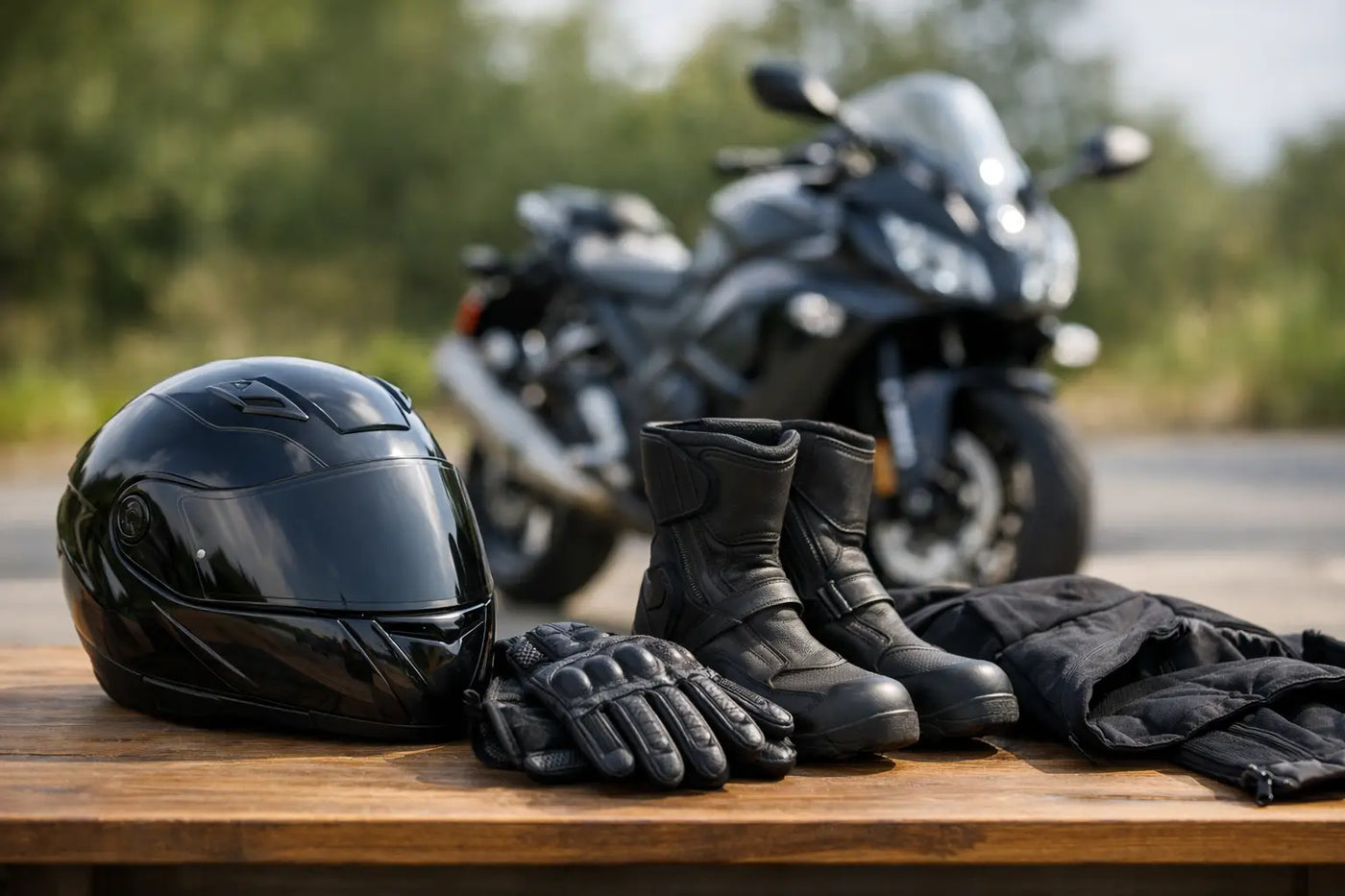
Start with the five pieces that matter most: helmet, jacket, gloves, pants, and boots. If your budget is tight, that doesn’t mean skip items. It means buy fewer extras and put your money into core protection that will hold up.
The helmet is non-negotiable. For a beginner, full-face is usually the smartest move because it gives you the most coverage, especially around the chin and jaw. That’s one of the first areas riders hit in a crash, and half helmets simply don’t offer the same defense. A good helmet should fit snug without creating pressure points, stay stable when you move your head, and have proper certification. If it feels loose in the store, it’s too loose on the road.
Helmet comfort matters more than new riders think. If airflow is bad, visibility is narrow, or the weight wears on your neck, you’ll hate wearing it. That’s when bad habits start. Spend enough to get solid protection, clear vision, and a fit you can live with for more than ten minutes.
Jacket and armor matter more than beginners expect
A motorcycle jacket isn’t just about the biker look, although nobody’s mad if it looks tough too. It protects against abrasion and impact, and that matters even in low-speed crashes. A proper riding jacket should have armor in the shoulders and elbows at a minimum. Back protection is even better, whether it comes included or can be added.
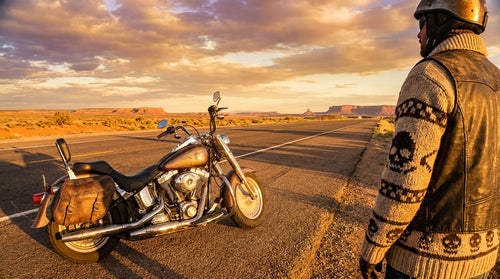
Leather is a classic for a reason. It has serious abrasion resistance, strong road presence, and works especially well for cruiser and V-twin riders. Textile jackets can also be a smart buy for beginners because they’re often lighter, more versatile in changing weather, and sometimes easier on the wallet. Neither is automatically better every time. It depends on your climate, your bike, and whether you’re riding in city traffic, open highway, or both.
Fit is where beginners usually mess this up. Too loose and the armor can shift in a crash. Too tight and you won’t wear it consistently. Try riding position, not just standing position. Reach your arms forward like you’re on the bars. If the sleeves ride up too much or the shoulders bind, keep shopping.
Gloves are small gear with big consequences
Most riders instinctively throw their hands out when they fall. That’s why gloves belong in your first purchase, not your someday pile. A real motorcycle glove gives you abrasion resistance, palm reinforcement, knuckle protection, and better grip when your hands are sweaty, cold, or caught in sudden rain.
Beginner riders often buy fashion gloves or thin mechanic gloves and call it good. Bad move. They don’t hold up the same way in a slide, and they usually don’t protect impact zones well either. Look for gloves that fit close without killing movement. If you can’t work the controls comfortably, they’re not the right pair.
Warm-weather and cold-weather gloves are a real trade-off. Summer gloves flow air better but can give up some insulation and weather protection. Heavier gloves help in colder conditions but may feel bulky on the controls. If you only own one pair starting out, get the pair that suits the season you ride most.
Pants and boots are part of the real answer
When people ask what gear do motorcycle beginners need, they usually remember helmet and jacket, then forget their legs and feet. That’s a mistake. Regular jeans shred fast in a slide, and sneakers don’t give much support or protection when a bike lands on your foot or ankle.
Motorcycle pants should provide abrasion resistance and ideally include armor at the knees, with hip protection as a bonus. Riding jeans are a popular entry point because they look normal off the bike while giving you stronger materials and impact coverage where it counts. For some riders, that makes them easier to wear every day, which is the whole point.
Boots should cover the ankles, provide solid grip, and have enough structure to support your foot and lower leg. Slip-on fashion boots might match the look, but if they twist easily or have slick soles, they’re not doing the job. A beginner needs boots that stay planted at stops, handle shifting and braking, and give protection if the bike tips or slides.
Rain, cold, and heat change what beginners should buy
The best gear setup depends partly on where you ride. A new rider in Arizona has a different problem than one in the Midwest during spring and fall. Heat can make heavy gear miserable. Cold can make cheap gear nearly useless. Rain can turn a short ride into a dangerous one if your visor fogs and your hands go numb.
That doesn’t mean a beginner needs a closet full of gear on day one. It means buy with your local conditions in mind. If you ride mostly in hot weather, prioritize ventilation without giving up protection. If you ride in cooler states or through changing seasons, layering and weather resistance matter more. Waterproof liners and thermal options can stretch one jacket or pair of gloves further than you’d expect.
Visibility also matters, even if high-vis isn’t your style. You don’t need to dress like a traffic cone, but reflective hits, lighter color panels, or a helmet that stands out more than flat black can help drivers notice you faster. There’s always a balance between style and visibility. Smart beginners find one they can live with.
Gear beginners can add after the basics
Once your core protection is handled, there are a few add-ons worth considering. Ear protection is one of the most overlooked. Wind noise at speed beats up your hearing and wears you out, even on short rides. A simple pair of earplugs can make your ride quieter, safer, and less fatiguing.
A face covering or neck gaiter can help with bugs, wind, dust, and cold morning air. A rain layer packed into a bag can save your day when the forecast lies. Some riders also add a back protector upgrade, armored base layers, or heated gear once they know how and where they ride most.
Luggage and locks matter too, but they come after body protection. The same goes for phone mounts and other accessories. Useful, sure. Essential before gloves and boots? Not even close.
How much should a beginner spend?
There’s no magic number, but there is a bad strategy: buying the cheapest option in every category. Low prices can be great when the product is still road-worthy, well-fitted, and properly protective. But rock-bottom gear often cuts corners in materials, comfort, or durability, and beginners feel that fast.
A better move is to build a smart first kit. Spend most on the helmet and jacket, then make sure gloves, pants, and boots are still proper motorcycle gear, not substitutions. You can always upgrade style later. Protection is harder to fake.
It also pays to think in terms of cost per ride. A jacket you wear for years is a better buy than a bargain piece you hate after two weeks. The same goes for a helmet that fits right and stays comfortable instead of one that lives on a shelf because it gives you a headache.
What gear do motorcycle beginners need if they want style too?
They need the same core protection everyone else needs. The difference is in the cut, finish, and details. There’s no rule that says safe gear has to look bland. If your style leans blacked-out, classic leather, skull graphics, club-style vests, or a more stripped-down road look, you can build around that without sacrificing the basics.
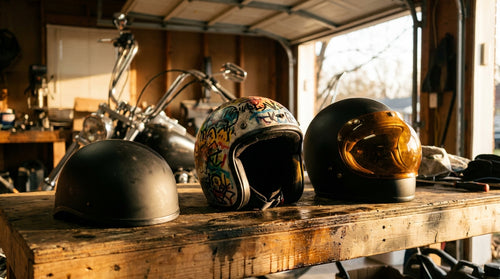
The trick is not buying image before function. A vest does not replace a jacket. Cool boots do not replace riding boots unless they’re actually built for riding. And a cheap novelty helmet is not part of any serious beginner setup. Ride with attitude, sure. Just back it up with gear that can take a hit.
For riders shopping their first setup, American Legend Rider speaks the language pretty well: road-ready gear, biker style, and practical choices in one place. That mix matters when you want protection that fits your budget without looking like generic powersports leftovers.
The best first gear setup is the one you’ll wear every single time, from quick gas-station runs to longer weekend miles. Buy for the ride you’re actually taking, not the fantasy version in your head, and your gear will do what it’s supposed to do when the road gets real.

No comments yet. Be the first rider to weigh in.