
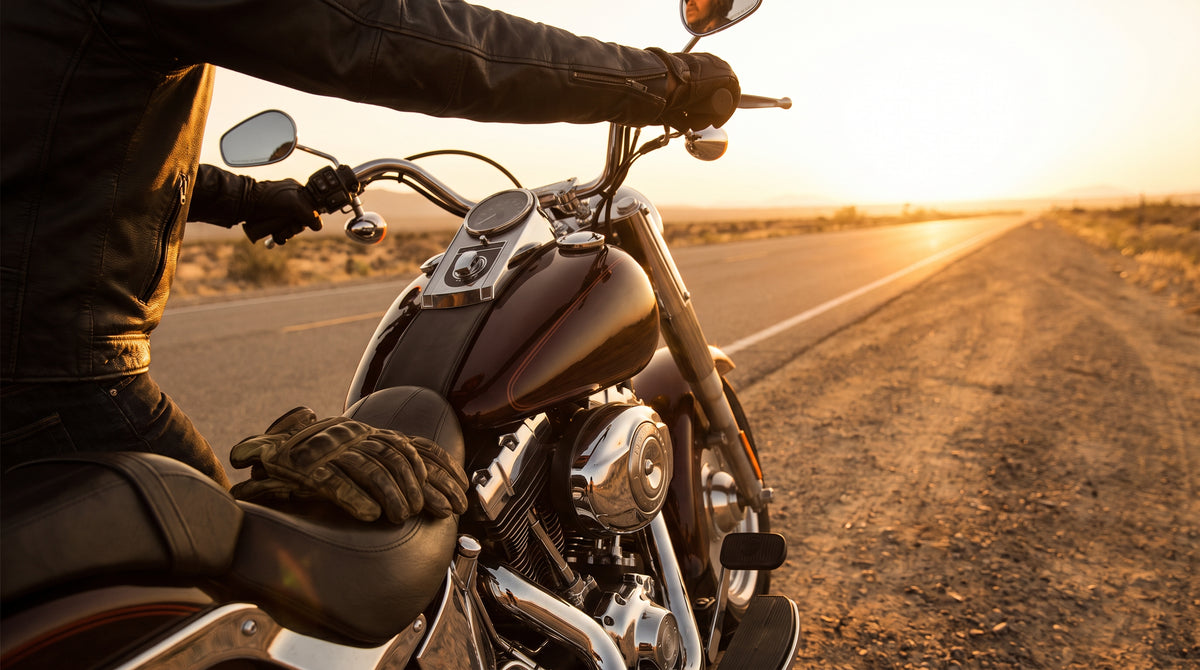
A rider buys a $15 pair of motorcycle gloves from a marketplace listing, wears them for two highway rides, and the stitching along the palm blows out at 65 mph. The padding shifts, the knuckle guard cracks, and the Velcro wrist closure loses grip. Cheap gloves do not just wear out fast. They fail exactly when you need them most.
This guide breaks down the best motorcycle gloves for every type of riding, covering materials, protection ratings, fit, and what separates a glove that lasts three seasons from one that falls apart in three weeks. You will know exactly what to look for, what to avoid, and which style fits your riding conditions.
What Makes a Good Motorcycle Glove
Four things determine whether a motorcycle glove is worth buying: palm material, knuckle protection, wrist closure, and stitching method.
Palm material matters more than anything else. Goatskin leather is the gold standard for motorcycle gloves because it offers the best combination of abrasion resistance, grip, and flexibility. A 0.6 to 0.8 mm goatskin palm grips throttle and brake levers without bunching. Cowhide is thicker (0.8 to 1.2 mm) and more durable, but stiffer out of the box. Synthetic gloves use Clarino or similar microfiber, which works for commuting but wears through faster on rough surfaces.

Knuckle protection ranges from nothing to CE Level 2 armor. Hard-shell TPU (thermoplastic polyurethane) protectors cover the knuckles on most sport and touring gloves. The Alpinestars GP Pro R3, for example, uses a full carbon fiber knuckle guard rated to absorb impacts above 50 joules. For cruiser riders, soft foam or gel padding is more common. It absorbs vibration on long rides but offers less crash protection.
Wrist closure should be snug without cutting off circulation. A hook-and-loop strap with at least 1.5 inches of adjustment range fits most wrist sizes. Some gauntlet-style gloves extend over the jacket cuff for added protection, while short-cuff gloves tuck under the sleeve for a cleaner look.
Stitching separates good gloves from disposable ones. External stitching sits on the outside of the glove, reducing bulk inside the fingers. Internal stitching is smoother against the skin but adds thickness. The best gloves use double-stitched seams on the palm and fingertips where abrasion hits hardest.
Best Motorcycle Gloves by Riding Style
Different riding styles demand different glove features. A touring rider logging 400-mile days needs something very different from a summer cruiser rider.
Cruiser and street riding: leather motorcycle gloves with soft knuckle padding and a short cuff are the standard. Goatskin or deerskin palms, gel vibration dampening, and a clean look that pairs with a vest or jacket. Most cruiser gloves run $40 to $80. The sweet spot is a glove that feels broken in after two or three rides without sacrificing palm thickness.
Sport and track riding: full gauntlet gloves with CE-rated knuckle armor, palm sliders, and reinforced fingers. Knox, Alpinestars, and Dainese dominate this category. Prices range from $100 to $350 for race-spec gear. The wrist closure on a sport glove needs to lock the glove to the hand so it cannot pull off in a slide. A pre-curved finger design reduces fatigue during long aggressive riding sessions.
Touring and long-distance: waterproof membranes (Gore-Tex or similar), insulation layers, and touchscreen-compatible fingertips are priorities. A good touring glove handles rain, cold mornings, and hot afternoons without requiring a glove swap. Expect to spend $80 to $180. Look for a visor wipe patch on the left index finger. It sounds minor, but on a rainy ride it is one of the most useful features a glove can have.

Summer and warm-weather: mesh panels, perforated leather, and minimal lining keep hands cool when temperatures climb above 85 degrees Fahrenheit. Fingerless motorcycle gloves are popular for short cruiser rides, though they sacrifice knuckle and fingertip protection. Full-finger mesh gloves with hard knuckles offer a better balance of airflow and safety. Budget range is $30 to $70.
Motorcycle Glove Materials Compared
| Material | Abrasion Resistance | Flexibility | Break-In Time | Typical Price | Best For |
|---|---|---|---|---|---|
| Goatskin Leather | High | Excellent | 1 to 3 rides | $50 to $120 | Cruisers, street, all-round |
| Cowhide Leather | Very High | Good (stiff at first) | 5 to 10 rides | $60 to $150 | Touring, heavy use |
| Deerskin Leather | Moderate | Excellent | Immediate | $45 to $90 | Comfort-first riders |
| Textile (Cordura) | Moderate | Good | None | $30 to $80 | Budget, commuting |
| Mesh/Perforated | Low to Moderate | Excellent | None | $30 to $70 | Hot weather only |
| Kangaroo Leather | Very High | Excellent | 1 to 2 rides | $150 to $350 | Racing, track days |
For most riders, goatskin leather hits the right balance. It breaks in quickly, grips well, and holds up to years of regular use. Kangaroo leather is technically superior in strength-to-weight ratio, but the price puts it firmly in race-glove territory.

How Motorcycle Gloves Should Fit
A properly fitted motorcycle glove should feel snug across the palm with no bunching of material in the fingers. The fingertips should reach the end of the glove without excess space. Loose fingertips reduce grip precision on the throttle and brake lever, and extra material can fold under during a slide, concentrating friction on one point.
Measure your hand from the base of the palm to the tip of the middle finger. Most brands size by this measurement plus the circumference around the knuckles. For reference, a medium in most brands fits a hand circumference of 8.5 to 9 inches. Sizes vary between manufacturers, so always check the brand's specific chart.
Leather gloves stretch 5% to 10% after break-in. If a leather glove feels slightly tight out of the box, it will mold to your hand within a few rides. Textile and mesh gloves do not stretch, so buy them at a comfortable fit from day one.
One test that works: put on the glove, grip an imaginary throttle, and squeeze. If the palm bunches or the fingers slip, the fit is wrong. A well-fitted glove should let you feel the texture of a quarter through the palm.
5 Mistakes Riders Make When Buying Motorcycle Gloves
1. Buying on looks alone. A glove that looks great on a shelf can be terrible on the bike. Chrome studs, decorative patches, and thick dyed leather look cool but often mean thicker seams, stiff fingers, and poor lever feel. Function comes first. Style should follow.
2. Skipping knuckle protection for comfort. Bare knuckles are the first point of contact in most low-speed drops. Even soft foam padding reduces the chance of a fracture. Riders who think padding is unnecessary usually change their mind after one parking-lot tip-over.
3. Choosing the wrong size for the season. Winter gloves with thick insulation need a half-size larger than summer gloves. Ordering the same size across seasons leads to cramped winter hands and sloppy summer fit.
4. Ignoring palm reinforcement. The palm slides first in most crashes. A glove with a single layer of thin leather on the palm offers almost no protection. Look for double-layered palms or palm sliders, especially on sport gloves.
5. Treating all price points as equal. A $15 marketplace glove and a $70 branded glove are not the same product made in different factories. The $15 glove cuts costs on materials, stitching quality, and protection. The thread count is lower, the leather is thinner, and the knuckle padding is decorative rather than protective. You do not need to spend $200, but under $30 is almost always a compromise on safety.
How to Break In New Leather Motorcycle Gloves
New leather gloves feel stiff. That is normal. Goatskin breaks in within one to three rides. Cowhide can take five to ten rides depending on thickness. Here is what works:
- Wear them around the house for 30 minutes at a time. Flex your fingers, grip objects, make fists. This starts the leather molding process.
- Use a leather conditioner (Lexol or similar) on the palm and finger joints after the first ride. One light application. Do not soak the glove.
- Ride in them. Throttle grip, brake squeeze, and clutch pull do more for break-in than any product. Most riders report a "perfect fit" feel after about 200 miles.
- Avoid heat shortcuts. Hair dryers, ovens, and hot water damage stitching and warp leather. Let time and use do the work.
Once broken in, leather gloves should feel like a second skin. If they still feel bulky or restrictive after 500 miles, the sizing is wrong, not the break-in.
Waterproof Motorcycle Gloves: Worth It?
Waterproof motorcycle gloves use a membrane layer (Gore-Tex, Hipora, or similar) sandwiched between the outer shell and the lining. This membrane blocks water from reaching your hand but allows some moisture vapor to escape outward. In practice, your hands stay dry in rain but can get clammy in warm weather because the membrane limits airflow.
The trade-off is real. A waterproof glove with a Gore-Tex membrane adds $30 to $60 to the price compared to a non-waterproof version of the same glove. It also reduces tactile feel slightly because the membrane adds a layer between your fingers and the controls.
If you ride rain or shine and log serious miles in mixed weather, a waterproof touring glove is worth the investment. If you only ride on dry days and keep a rain suit in the saddlebag just in case, a standard leather glove with a water-resistant treatment handles occasional drizzle well enough. The key question is: do you ride through rain, or do you stop when it rains? Answer honestly, and the choice makes itself.
Where to Start Shopping
Finding the best motorcycle gloves comes down to matching your riding style, climate, and budget. Leather gloves in the $50 to $100 range cover most riders well. For cruiser and street riders, the ALR motorcycle gloves collection has leather and protective riding gear built for real road use, not display cases. Pick a material that matches your climate, get the sizing right, and ride.

No comments yet. Be the first rider to weigh in.